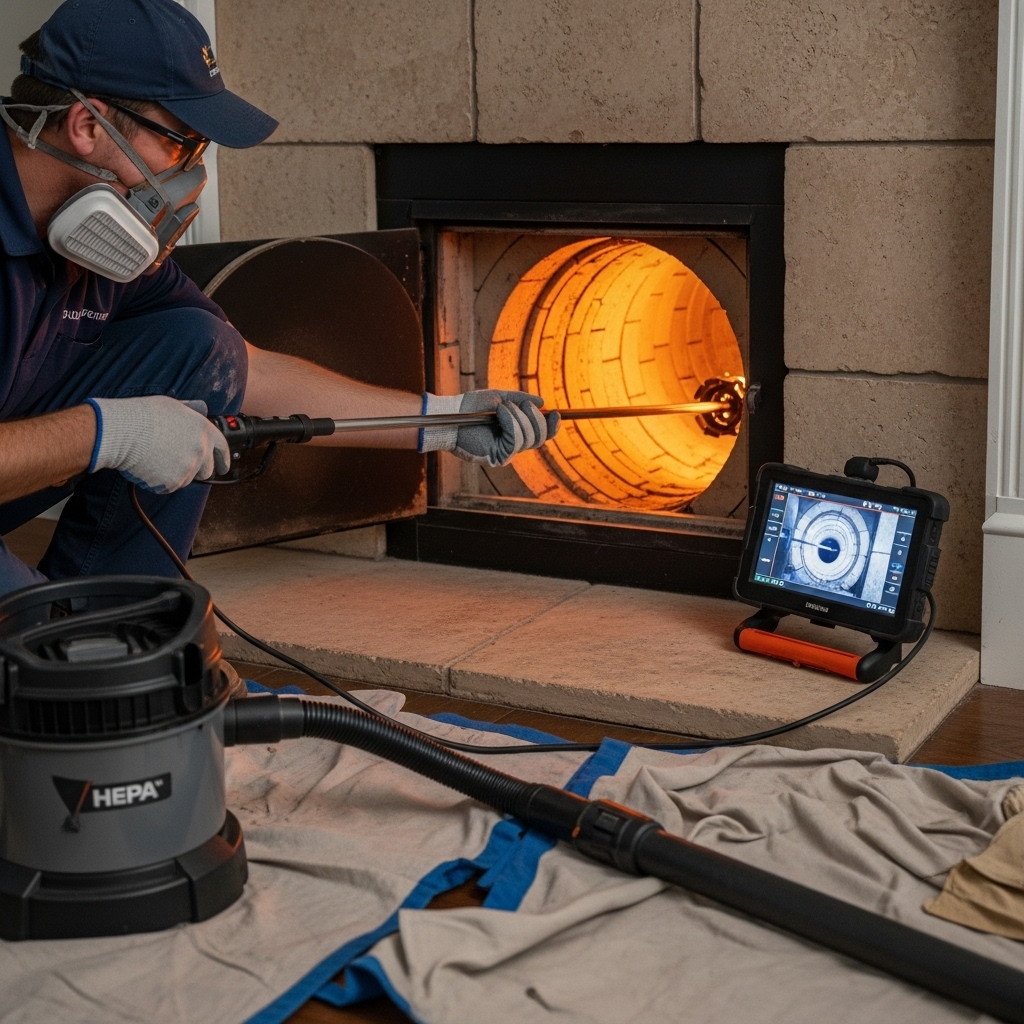

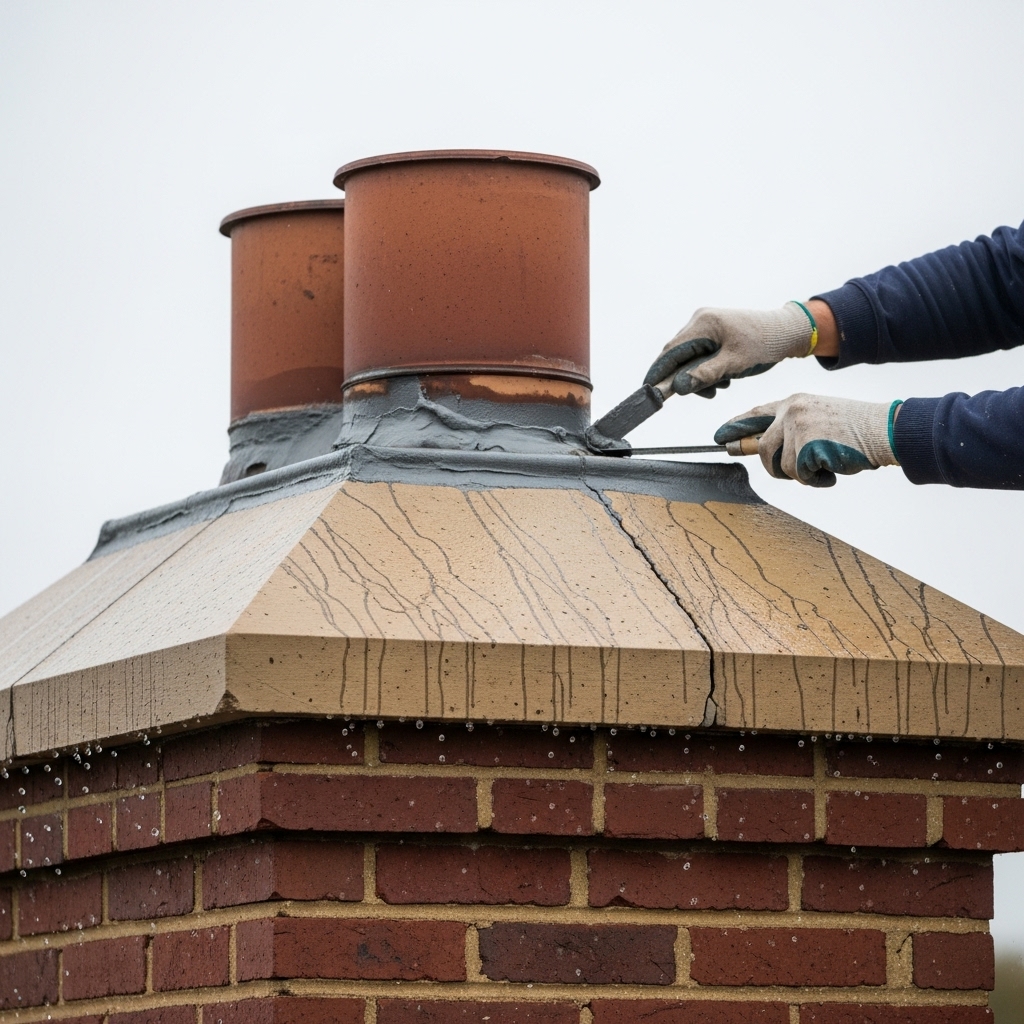
In Denver, a small leak at the very top of a chimney can quietly become the source of much bigger headaches. The crown—sometimes called the wash—is the concrete or masonry cap that covers the top of the stack and should send water away from the flues and the brickwork below. When it’s built flat, cracked, or too tight around the liner, it invites moisture to settle in, freeze, and pry the surface apart. I’ve seen it again and again across neighborhoods from Park Hill to Platt Park: a hairline fissure gathers meltwater after a bluebird day, the temperature drops at dusk, and by morning the crack has widened. If you’re investigating chimney repair because of stains on ceilings, musty smells near the fireplace, or a damp attic around the chase, the crown is a prime suspect.
Understanding the crown’s job helps explain why a seemingly minor flaw becomes a big problem. The crown is meant to act like a little roof: it should slope to shed water, include a drip edge that throws runoff beyond the vertical faces, and leave room around the flue liners so they can expand and contract without fracturing the surrounding material. When any of those details are missing, water moves down and in instead of out and away. Over time, the top courses of brick get damp, mortar softens, and efflorescence blooms. Inside, you may notice a slight earthy odor after storms, or a faint discoloration where the chimney meets the ceiling plane. Left alone, these signs evolve into real damage.
How Denver’s weather accelerates crown failures
Our local climate tests crowns from every angle. The high-altitude sun bakes surfaces dry during the day, then an evening cold front pushes moisture into tiny fissures. Snow that softens on a warm afternoon can re-freeze by nightfall, wedging the tiniest crack wider. Spring storms dump moisture into any low spots and then hand the surface to gusty winds that drive water sideways. Even hail can chip a poorly mixed crown, opening it to more freeze-thaw stress. Add the occasional bird pecking or animal traffic around the cap, and day-to-day wear adds up.
Some crowns fail because they were never designed correctly. Flat, mortar-only tops without reinforcement or slope tend to fracture early. Crowns poured tight to flue tiles create stress when the flue heats and expands during a fire. Lack of a drip edge means water runs down the exterior faces and saturates the top courses. A thorough evaluation looks at each of these design basics and how they’ve held up to Denver’s cycles of sun, snow, and wind.
Spotting the symptoms of a leaking crown
Homeowners often call after noticing staining or a faint ring of discoloration on the ceiling around the chimney path. In other cases, the first clue is a subtle musty smell near the fireplace after a storm, or bits of sand-like grit on the hearth that hint at mortar erosion higher up. Outside, you might see the top bricks darken in a way that lingers long after the wall below has dried. Close-up, the crown may show spiderweb cracks, a crumbling edge, or a cap that sits crooked because the surface beneath has failed.
Another tell is efflorescence: that white, chalky bloom left behind when moisture dissolves salts and brings them to the surface. While it can be brushed away, it’s a signal that water is moving through the masonry, often beginning at the crown and working downward. Early intervention prevents those mineral salts from forming a pathway that invites more moisture over time.
Repair approaches that last in our climate
Durable crown repair begins with removing failed material until you reach sound substrate. From there, rebuilding with a fiber-reinforced mix designed for exterior exposure creates a resilient surface. The crown must slope to drain, include a defined drip edge that projects beyond the brick below, and leave expansion clearance around the flue liner. That clearance is then bridged with a flexible sealant rated for high temperatures so the liner can move independently. This simple detail prevents the crown from cracking when the flue heats during a long fire or a cold start.
In some cases, the existing crown is structurally intact but has hairline surface cracks that admit water. Here, a professional-grade elastomeric or siloxane-based treatment can be applied after careful cleaning and prep. These coatings are not paints; they’re designed to breathe while repelling liquid water and sealing tiny entry points. The success of a coating depends on proper preparation and ensuring that the underlying crown is stable and sloped. Where the crown is flat or crumbling, a rebuild is the better course.
Don’t forget the cap and the way water travels
Even the best crown will struggle if the flue opening sits exposed to wind-driven rain. A well-fitted cap with screens to keep animals out and sparks contained is the finishing touch. The cap should anchor solidly yet allow for expansion movement and free passage of exhaust. Think of the cap and crown as a team: the crown sheds surface water, while the cap keeps direct rainfall and nesting efforts at bay. If you’ve been dealing with recurring leaks despite patching the crown, a mismatched or undersized cap may be the missing piece.
Just below the crown, the top two or three courses of brick tell their own story. If the crown has leaked for a while, those courses may have softened mortar or spalling faces. Addressing that masonry at the same time as the crown ensures the entire top section returns to health. It’s common to pair limited repointing with crown work so the water-shedding system works as a unit.
How the roof connection affects crown performance
Many chimney leaks blamed on the crown actually originate where the chimney meets the roof. In Denver’s gusty weather and with melting snow pooling along roof planes, poorly integrated flashing allows water to creep behind brick and appear inside far from the source. When evaluating a crown, we always check step flashing, counterflashing, and the integrity of any sealant used at transitions. The roof pitch, roofing material, and the chimney’s location relative to the ridge all shape how water wants to move. If flashing is tired or improvised, crown repairs won’t solve the underlying issue. The goal is to manage water from the top down, tying crown, cap, and flashing into one coherent plan.
It’s also worth noting that some chimneys hide within framed chases clad in siding or stucco. On those systems, the “crown” may be a chase cover—often thin metal that has ponded water for years. Upgrading to a properly sloped, hemmed, and braced cover with sealed collars around each flue transforms water behavior instantly. The principle is the same: slope, drip, and movement accommodation.
Mid-project insights and homeowner expectations
During repairs, homeowners frequently tell me how surprising it is to see the amount of water the crown kept catching. An afternoon rain can leave a small pond on a flat crown; that’s a lot of moisture to migrate into tiny imperfections. When the new crown goes in—with a confident slope and a crisp drip line—the difference is visible even from the yard. Water lands, slides, and falls clear of the stack rather than creeping down the face. If you’re comparing options for Denver chimney repair, ask how the plan manages water in stages: at the cap, across the crown, along the brick, and at the roof.
Another expectation we set is that the color and texture of a new crown will look subtly different from aged material. That’s normal. The aim is harmony rather than perfect invisibility, and over months the new surface weathers to match. What matters is the geometry—the slope and drip edge—and the expansion gap around the liners. Get those right, and the crown earns its keep through years of weather.
Seasonal timing and curing considerations
In our city, timing counts. Mortar and crown mixes need certain temperatures and dry periods to cure well. We plan work around forecast windows and protect fresh surfaces as needed. Spring and early fall often offer the best consistency, but even summer projects benefit from shade and controlled moisture during curing. Rushing is the enemy of durability; a crown that cures properly is a crown that resists the first hard freeze of the season.
After the repair, simple habits help the crown last. Keep an eye on the cap after windstorms, watch for branches that might scrape, and check for unusual staining after big weather events. A yearly inspection, especially before winter use, keeps small issues small and gives peace of mind when the fireplace becomes the heart of the home.
FAQ
What exactly is the difference between a crown and a cap?
The crown is the sloped masonry surface that covers the top of the chimney stack and sheds water. The cap is a separate metal or stone cover over the flue opening that keeps rain, animals, and embers in check. They work together: the crown manages surface water, and the cap protects the flue opening.
How can I tell if the crown is leaking and not the flashing?
Crown leaks often show as staining or dampness at the very top of the chimney, or as efflorescence on the upper courses. Flashing leaks tend to emerge where the chimney passes through the roof plane and may show up along attic framing near that joint. A thorough inspection of both areas is the surest way to identify the true source.
Are sealers a permanent fix for crown cracks?
High-quality, breathable sealers can extend the life of a sound crown with minor cracking, but they are not a cure-all. If the crown is flat, crumbling, or tied tightly to the flue, rebuilding to correct those flaws offers longer-term reliability. The sealer’s success depends on preparation and the stability of the crown beneath it.
Will a new crown change how my fireplace drafts?
A well-built crown should not restrict draft and can actually help by managing water that would otherwise roughen or damage the flue termination over time. Ensuring proper clearance around the liner and a correctly sized cap preserves airflow while keeping water out.
How soon after a crown repair can I use my fireplace?
Use waits until the materials have cured properly and the installer confirms readiness. Curing time depends on mix, thickness, and weather, so your technician will provide guidance specific to your project. The aim is to protect the fresh work during its most vulnerable phase so it performs for years.
If crown leaks have you worried about stains and musty odors every time the weather turns, now is a good moment to talk with a local team that understands our climate. For an evaluation that considers crown, cap, flashing, and the masonry below, connect with pros who focus on reliable chimney repair services built for Denver homes.