
If you heat your Denver home with a wood-burning stove or fireplace, the rhythm of the cold season is familiar: the first dusting of snow over the Front Range, the brisk bite of evening air, and the comforting crackle of a well-laid fire. What is easy to forget—until smoke backs up into the room or odors linger long after the embers fade—is just how central regular chimney cleaning is to safety, efficiency, and comfort. As a local who has spent countless winters maintaining hearths across neighborhoods from Park Hill to Bear Valley, I can tell you that a clean, well-tuned flue is the quiet hero behind every cozy, worry-free fire.
Why wood-burning homes in Denver need special attention
Denver’s climate sets a unique stage for wood heat. We enjoy abundant sunny days, but when cold fronts settle in after sunset, stack effect in multi-story homes and the thinner air at elevation can complicate draft. Throw in the fact that many of our houses were built during the city’s mid-century boom—complete with original masonry fireplaces—and you have a recipe for creosote buildup, downdrafts, and occasional smoke spillage if the system is not maintained. These dynamics do not mean you cannot enjoy a wood fire; they simply mean that mindful upkeep is part of owning a fireplace here.
Clean chimneys burn hotter, brighter, and safer
It is tempting to think of chimney sweeping as a once-in-a-while chore, something to get to when you notice soot. Yet, in practice, small layers of creosote accumulate long before visible streaks appear on masonry. That residue changes the way fires behave. A clean flue allows exhaust to move freely, stabilizing draft and helping logs ignite readily with less smoke. Flames stay bright, glass doors stay clear longer, and the whole experience becomes more predictable. Most importantly, reducing creosote reduces the single greatest risk factor for chimney fires. These events are dramatic, dangerous, and almost always preventable with routine maintenance and good burning habits.
Altitude, draft, and the Denver difference
At a mile high, air is thinner and contains less oxygen, so combustion can be a touch less forgiving. Draft is driven by the temperature difference between the flue gases and outdoor air; when the system is partially obstructed, that delicate balance falters. Owners often tell me their fireplace “just feels sluggish” after an idle spell. A complete sweeping removes crusty glaze, fluffy soot, and debris such as leaves or the occasional bird nest, restoring a clear pathway for exhaust. The result is a stronger, steadier draw, even on nights when the air is still and the inversion layer is hanging over the city.
Better indoor air quality for real families
We talk a lot about safety, but air quality inside the home is just as critical. A dirty flue can allow fine particulates to seep back into living spaces, especially if negative pressure occurs when kitchen or bath fans run. You may notice a faint ash smell that seems to appear out of nowhere or see a film accumulate on nearby surfaces. After a proper cleaning and inspection, these nuisances typically fade. For households that include small children, older adults, or anyone sensitive to smoke, the difference can be tangible: clearer air, fewer irritants, and more confidence that your fireplace is a comfort, not a compromise.
Efficiency you can feel in your heating routine
While wood heat is as much about ambiance as it is about BTUs, a clean system changes how well your fires convert fuel into usable warmth. Good draft lets you start smaller, hotter fires that warm the flue quickly and sustain steady secondary combustion. That means fewer smoky startups, less fiddling with the damper, and steadier room temperatures. Over a winter, these incremental gains add up to a meaningful improvement in your heating routine, especially during those single-digit nights when you are counting on every bit of radiant heat.
What a comprehensive service really includes
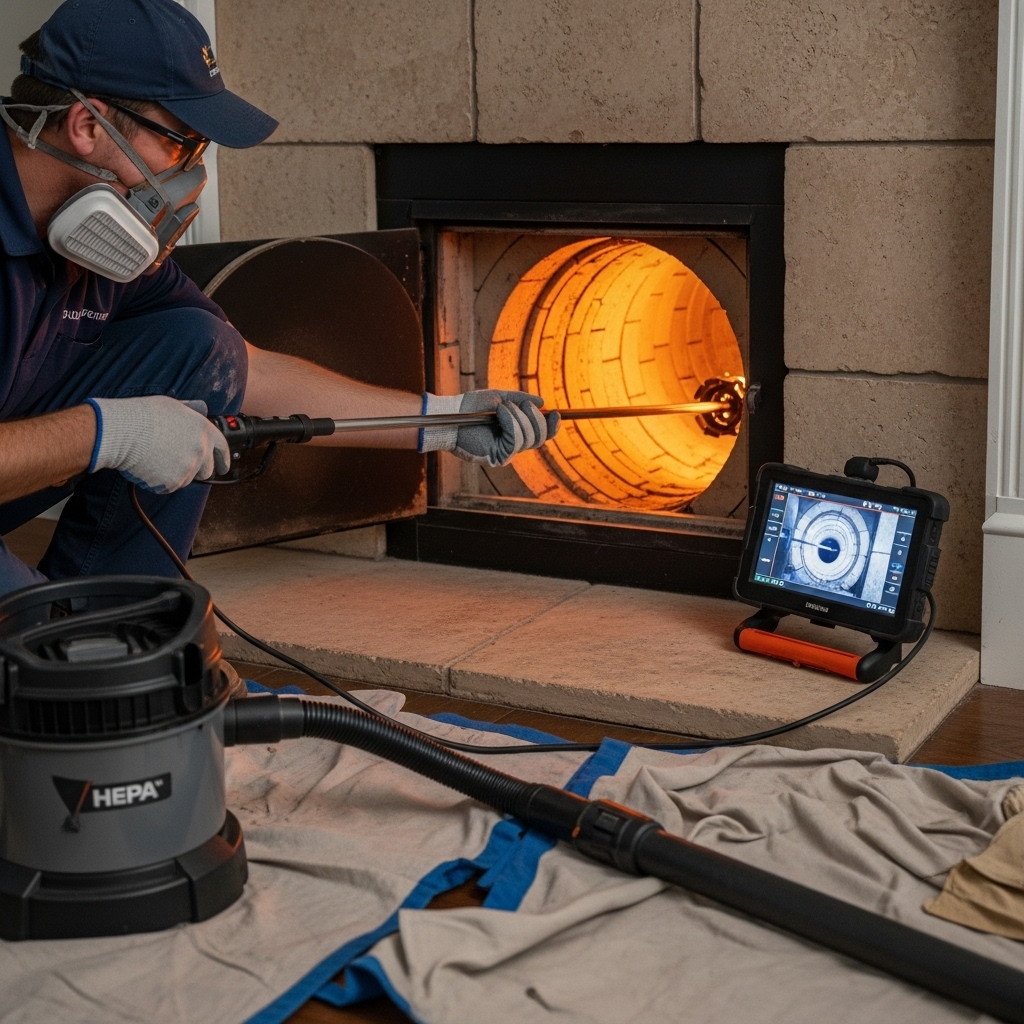
A true sweeping is more than running a brush and calling it a day. We start by protecting the room, then use appropriately sized rods and brushes to match your flue’s geometry—masonry tiles, stainless liners, or older parged flues all require different approaches. We remove soot and creosote from the smoke chamber and smoke shelf, not just the vertical run. Finally, we inspect for missing mortar, cracked tiles, gaps around thimbles, and moisture staining. This is where experience with Denver’s housing stock matters. The issues we see in 1920s bungalows in West Highland differ from those in 1970s ranches in Hampden, and seasoned eyes can spot patterns quickly.
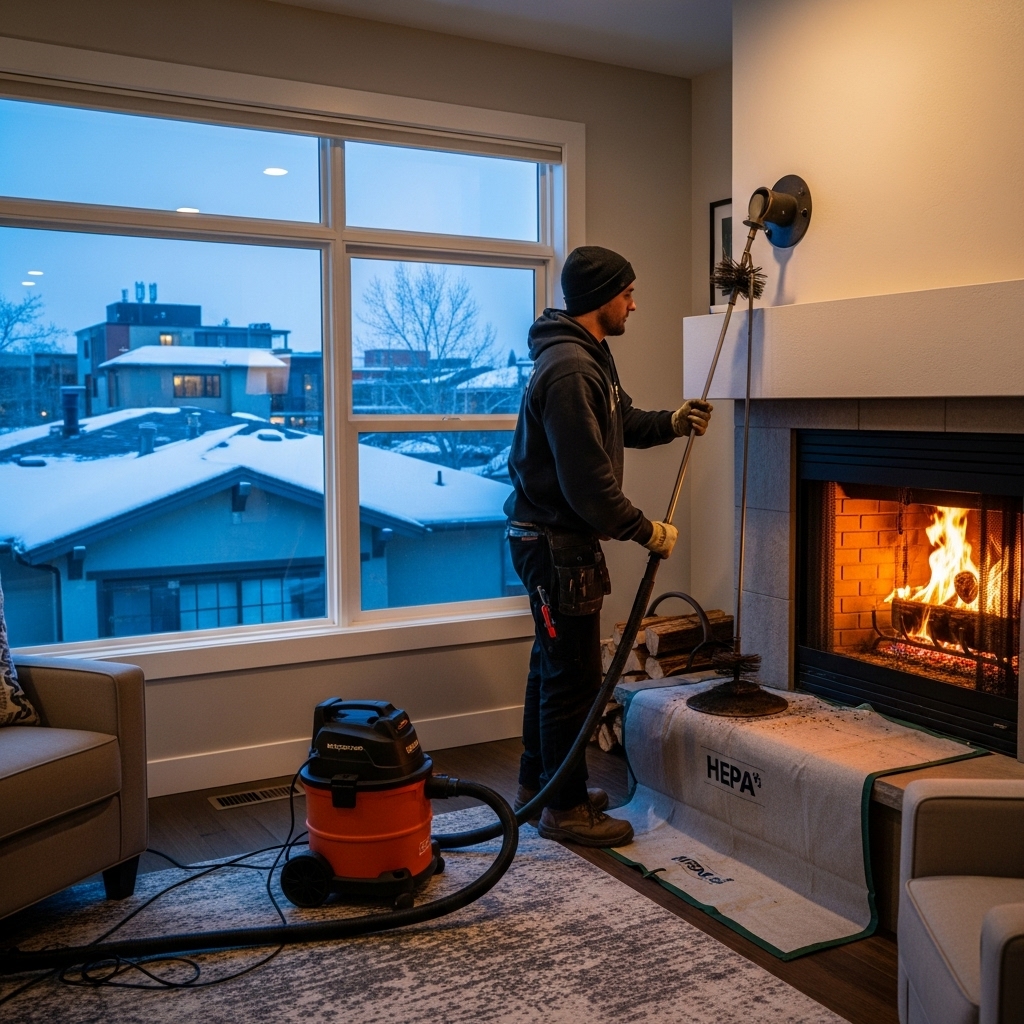
Some homeowners wonder if sweeping disrupts their home or leaves a mess. With the right tools and set-up, it should be remarkably tidy. Collection vacuums with HEPA filtration, careful staging, and a methodical approach keep soot where it belongs—inside sealed containers headed out the door. When done, you can light a fire the same evening, and you will likely notice a cleaner burn right away.
The maintenance rhythm that fits Denver’s winters
For wood-burning households that use their fireplaces frequently, once-a-year service is a baseline. Heavy users—especially those relying on a stove for supplemental heat—may need mid-season attention. Burn quality matters as well. Using properly seasoned hardwoods, storing wood off the ground and covered, and building hot, lean fires will slow creosote formation. Conversely, damp wood or frequent smoldering fires accelerate it. When in doubt, trust your senses: if startup smoke lingers longer than usual or the damper area feels sticky with tar-like residue, it may be time to schedule a visit. Mid-season touch-ups are common, quick, and can reset performance for the rest of winter.
Signs you should not ignore
There are a few subtle indicators that your system needs attention. Stubborn glass that hazes over quickly, bitter odors after use, or a faint rumble in the flue when a fire is roaring all suggest creosote is present. A little powdery soot is normal; flaky or glazed deposits are not. If you ever hear a roaring, freight-train sound or see sparks ejecting from the chimney cap, treat it as an emergency and call the fire department, then have the system professionally evaluated. Prevention is the aim, but swift action after an event can protect the structure and prepare the flue to return to safe service.
Midway through the season, many Denver homeowners ask whether a one-time sweep is enough for the whole year. The answer depends on use, but a midwinter assessment can be invaluable. When a technician cleans and then observes how quickly deposits return, you gain a personalized maintenance plan. For many households, pairing smart burning practices with periodic, professional attention—including thorough professional chimney cleaning—keeps the hearth running beautifully all winter long.
Chimney caps, crowns, and water management
Masonry’s biggest foe along the Front Range is water, not just fire. A functional cap prevents embers from escaping and keeps wind-driven snow and rain from entering the flue. The crown—the sloped concrete or mortar at the top—should shed water without cracking. Small fissures can invite freeze-thaw damage, and that escalates quickly in Denver’s swinging temperatures. During cleaning, we evaluate how weather-exposed elements are holding up. Catching and sealing minor defects early helps preserve the chimney’s integrity, reduces moisture-related odors, and prevents debris accumulation that can hinder draft.
The value of a documented inspection
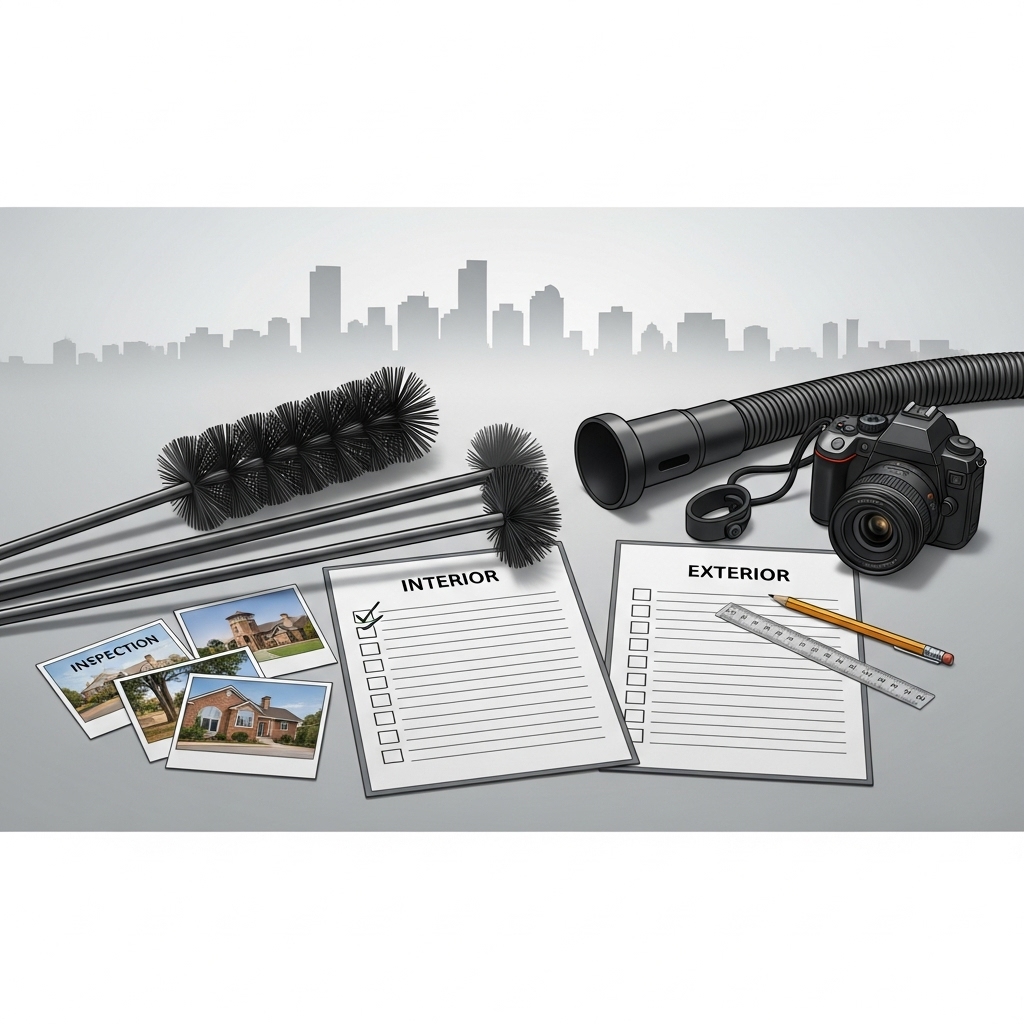
Professional documentation matters, especially when selling a home or making insurance claims after a weather event. A written report with photos of the flue’s interior, the smoke chamber, and the exterior stack gives you a baseline and a roadmap. If we note minor mortar joint erosion or a cap that is nearing the end of its life, you can plan improvements before they become urgent. Denver buyers increasingly ask for fireplace and chimney records, and a clean bill of health earns confidence.
Comfort, peace of mind, and the ritual of the fire
A wood fire is more than heat; it is a ritual that anchors the evening, invites conversation, and marks the seasons. Knowing your chimney is clean and performing correctly lets you settle in without second-guessing the damper or worrying about odors. That peace of mind is, to me, the greatest benefit of regular care. Over the years, I have watched families grow up around hearths that were once fussy or smoky, transformed by steady maintenance into dependable companions to winter.
Frequently Asked Questions
How often should a wood-burning fireplace be cleaned in Denver?
For typical use—fires a few evenings a week during peak cold—an annual cleaning and inspection is a smart baseline. Heavier users or those who burn softer woods may benefit from a mid-season sweep. The goal is to remove creosote before it hardens into a glazed layer and to catch developing issues when they are small.
Does altitude affect how my chimney performs?
Yes. At higher elevations, reduced air density can make draft more sensitive to obstructions or cool flues. A clean, warm flue drafts more reliably, and attention to house pressures—like avoiding running exhaust fans while the fireplace is starting—helps too.
What kind of wood should I burn to reduce creosote?
Well-seasoned hardwoods such as oak and maple burn hotter and cleaner than softwoods when properly dried. Store wood covered with airflow on all sides and aim for a moisture content around twenty percent or less. Avoid burning trash, glossy paper, or wet wood, all of which produce extra smoke and residues.
Can I clean my chimney myself?
Homeowners can handle basic firebox cleaning and ash removal, but creosote in the flue and smoke chamber requires the right tools and techniques. Professional sweeping is thorough, safer, and typically includes an inspection that identifies issues you might miss.
Why does my living room smell like soot even when I am not burning a fire?
Lingering odors often arise from creosote deposits combined with negative pressure drawing air down the flue. Cleaning the system, ensuring a proper cap, and balancing house pressures usually resolves the smell.
Is a chimney cap really necessary?
Absolutely. Caps keep out animals, block embers, deflect wind-related downdrafts, and prevent water and debris from entering the system. They are a relatively simple component with outsized benefits for performance and longevity.
When you are ready to enjoy steadier fires, cleaner indoor air, and the reassuring quiet of a safe hearth, schedule your next service with a trusted local pro. Denver winters reward preparation, and your fireplace will too. If you have questions or want to book a visit, reach out and schedule your Denver chimney cleaning today to keep the flames bright and your home comfortable all season long.