Chimney Cleaning Maintenance in High Altitude Denver Colorado

Image for post 1267

Living at a mile high changes how nearly everything works, from baking bread to building a perfect fire. Denver’s thinner air, dramatic temperature swings, and bright, dry days all shape the way chimneys behave. That is why maintenance is not just a box to check; it is a system you design around local conditions. Whether you rely on a fireplace for ambiance or a stove for supplemental heat, regular chimney cleaning and a few altitude-savvy habits will keep your hearth running smoothly through every cold front that rolls off the Rockies.

Altitude, oxygen, and the physics of draft

Draft depends on hot gases rising through a cooler column of air. At elevation, lower air density means there is a little less oxygen to support combustion and a smaller pressure difference to drive exhaust. Anything that narrows the flue—creosote, soot, or debris—exacts a bigger toll on performance. That is why Denver systems that feel “okay” in October can struggle in January. A clean, warm flue is your best ally, allowing fires to start quickly, glasses to stay clear, and smoke to head outside where it belongs.

Building altitude-smart fires

Technique matters more here than at sea level. Start with dry kindling, stack loosely for airflow, and resist the urge to crowd the firebox with large logs at startup. The goal is to heat the flue swiftly to establish strong draft. Once the system is drawing well, add medium splits to build a steady bed of coals. Avoid smoldering; it creates excess smoke and builds creosote faster, particularly in cold flues. If your home is tightly sealed, crack a nearby window an inch during the first few minutes to provide make-up air.

Why seasonal cleaning is non-negotiable

Creosote accumulation is a function of fuel, temperature, and time. In Denver’s winter, all three factors align to create deposits if you let fires burn cool or damp. Seasonal cleaning removes that fuel for chimney fires and restores a smooth pathway for exhaust. It also reveals small issues—a missing cap screen, a fine crack in the crown, or a damper that sticks—before they become performance problems. The result is a more predictable, more enjoyable experience every time you light the match.

Midwinter tune-ups for heavy users

If you burn most nights, a midseason assessment is smart. Even with great technique, frequent use builds deposits, and the changing weather plays a role. Cold snaps can make the first fire of the day lazier than the second or third. A quick tune-up, coupled with a review of your burning routine, resets performance. In practice, this might mean adjusting log size, being more assertive with kindling, or slightly extending the burn time at peak temperature to keep creosote at bay. Pairing these habits with periodic professional chimney cleaning keeps your system in that sweet spot where everything just works.

Protecting the top of the system from weather

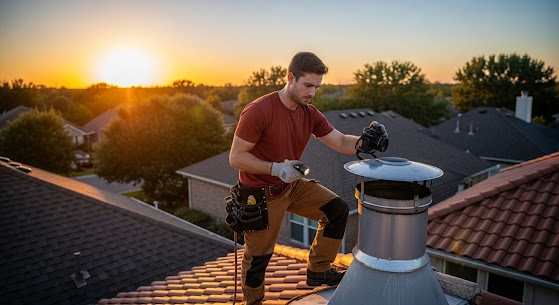
Our freeze-thaw cycles are hard on masonry. The crown should shed water and remain crack-free, while a well-fitted cap blocks snow, rain, and errant embers. Flashing at the roofline needs to be tight to prevent leaks. During cleaning, we check all these elements; a small repair now can prevent musty odors, spalling brick, or draft issues later. Keeping water out is just as important as keeping smoke in the right path.

Ventilation and modern homes

Many Denver houses have been tightened up with new windows and insulation. While great for energy bills, this can starve fireplaces of the air they need. After cleaning clears the flue, confirm that your home provides enough combustion and make-up air. Simple steps—cracking a window during startup, avoiding running exhaust fans while lighting, or, in some cases, installing dedicated make-up air solutions—ensure steady draft and prevent smoke rollouts.

Choosing and storing wood for mountain-edge performance

Seasoned wood is non-negotiable. Aim for moisture content around twenty percent or less; use a meter to be sure. Store wood off the ground with airflow on all sides and cover only the top. At altitude, the sun helps, but sudden snowstorms can drench a careless stack. Dry fuel supports hotter fires that keep creosote low and glass cleaner longer. A small investment in storage pays dividends in performance.

Reading the signals your system sends

Your fireplace speaks if you listen. Hazy glass that returns quickly suggests cool burns or draft restrictions. A bitter odor the morning after a fire points to lingering creosote and possibly negative pressure. A faint rumble deep in the chimney during a hot burn is a warning: do not ignore it. These signals tell you it is time to re-evaluate technique or schedule service. The reward for paying attention is a hearth that behaves the same way every time—predictable, warm, and pleasant.

Documentation and long-term planning

Keep simple records of cleanings, inspections, and any repairs. Over a few seasons, patterns emerge: how often deposits build, which wood mixes perform best, and whether seasonal changes affect draft. This log helps you schedule proactively and budget for upgrades, like a new cap or liner, before they become urgent.

What to expect from a thorough service

A proper cleaning protects your interior, brushes the flue, addresses the smoke chamber and smoke shelf, and concludes with a practical review of how your system is performing. In masonry chimneys, we look for mortar erosion, tile cracks, and crown condition. In lined systems, we verify connections and clearances. You should come away with a clear understanding of the system’s health and a plan tailored to your home and your winter habits.

Frequently Asked Questions

How often should I clean my chimney at Denver’s elevation?

For moderate use, once a year is a smart baseline. If you burn several nights a week or rely on a stove for regular heat, plan for a midseason check and possible touch-up to keep performance consistent.

Why do fires struggle to start on very cold mornings?

Cold flues and lower air density weaken draft until the flue warms. Preheat the flue with kindling, open the damper fully, and consider adding a bit of make-up air by cracking a window until the fire establishes.

Will cleaning help with smoke backing into the room?

Yes, often. Removing creosote and soot restores the flue’s diameter and reduces turbulence. If negative pressure is part of the problem, small operational changes usually solve the rest.

What wood works best at altitude?

Well-seasoned hardwoods provide steady heat and cleaner burns. Softwoods can be fine when dry, especially for kindling, but avoid damp or oversized pieces that encourage smoldering.

Do I need a chimney cap in Denver’s climate?

Absolutely. A good cap keeps out moisture, animals, and wind-driven downdrafts, all of which affect performance and longevity. It is one of the simplest, most effective protections you can add.

When you approach maintenance with Denver’s altitude in mind, everything about your fireplace gets easier: quicker starts, clearer glass, and warmer rooms with less smoke. If you are ready for steady performance from the first snow to the last chilly spring night, make a plan, stick to it, and lean on local expertise. The next step is simple—schedule your Denver chimney cleaning and enjoy a season of fires that burn bright, clean, and confidently every time you light them.


Share the Post:

Related Posts