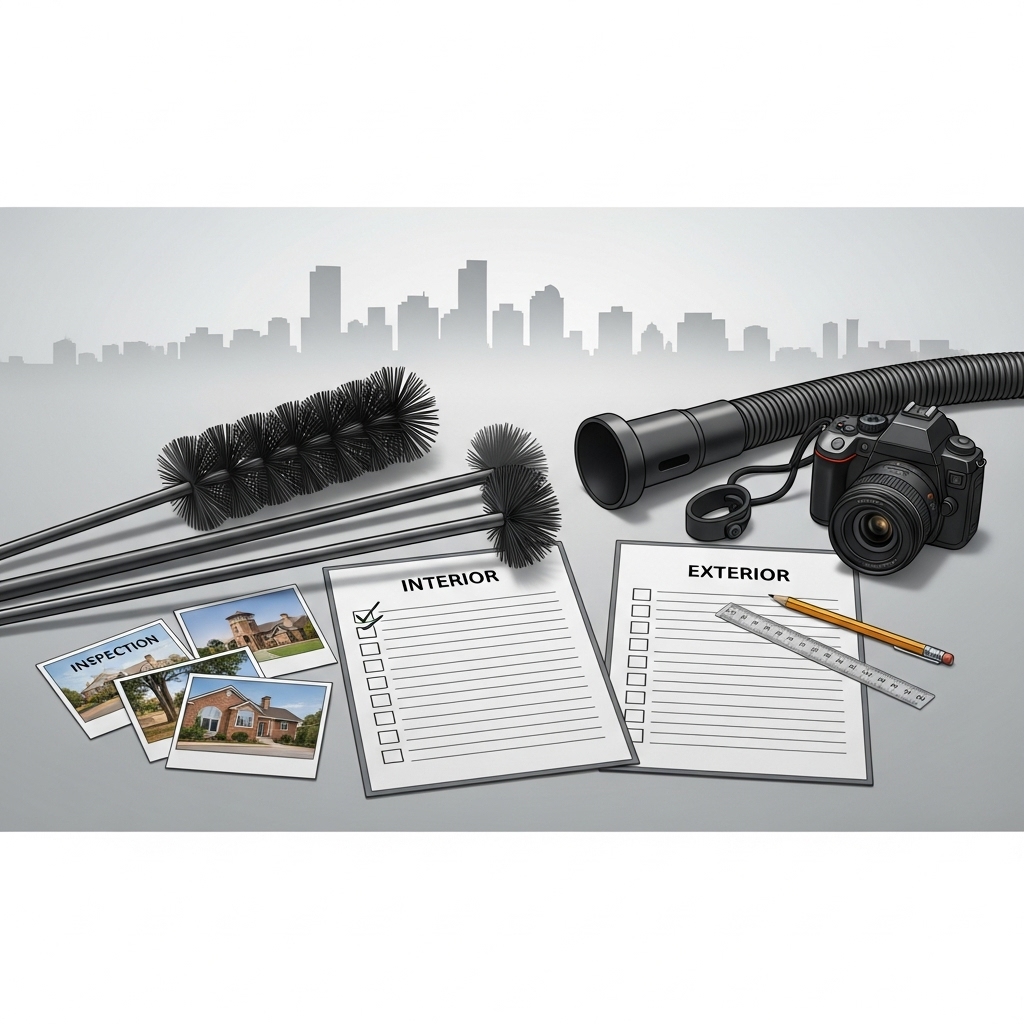

Denver’s older neighborhoods—think Park Hill’s tree-lined blocks, the brick bungalows of West Highland, or the stately homes in Capitol Hill—have a character and warmth that new construction cannot replicate. Their chimneys also tell long stories. Decades of use, remodels, and exposure to high-elevation sun and sudden weather shifts leave marks that are not always obvious from the street or hearth. When we inspect chimneys in these homes, certain patterns appear again and again. Knowing what to watch for makes it easier to plan improvements that respect the architecture while delivering safety and modern performance. If your home was built mid-century or earlier, consider scheduling professional chimney inspection services to establish a clear baseline before the heating season or a real estate transaction.
Unlined or partially lined flues
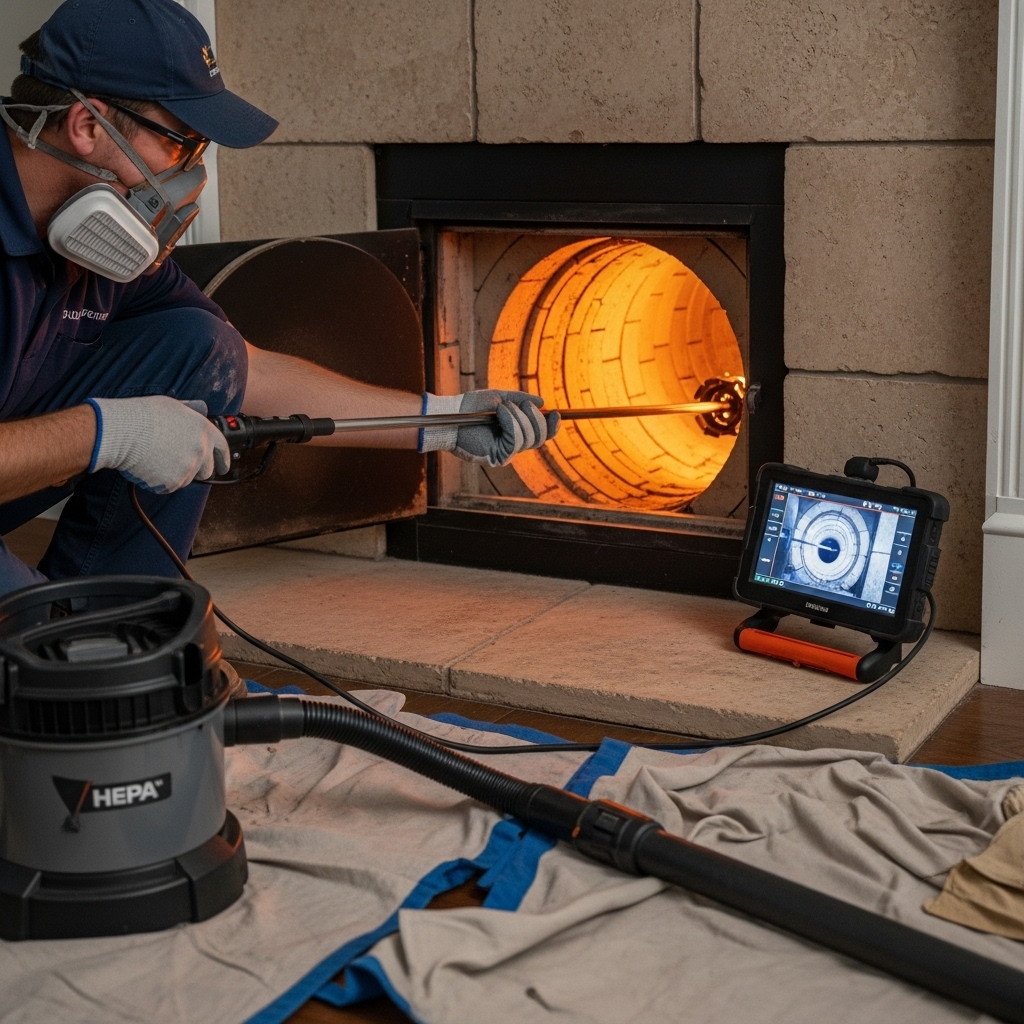
Many pre-war homes were built with unlined chimneys or with liners that do not meet today’s standards. Some have a few courses of clay tile near the top and bare brick below; others have tiles with wide, open joints. Without a continuous liner, heat and byproducts can migrate into the masonry shell or adjacent framing. Over time, this leads to staining, odors, and, in worst cases, hidden fires. An inspection with video scanning reveals where liner continuity fails, whether tiles are cracked, and whether offsets or intrusions exist. The solution in older Denver homes is often a stainless steel liner sized to the appliance, which also improves draft and reduces condensation problems for gas equipment.
Cracked clay tiles and missing mortar joints
Clay tiles have served many homes well for decades, but they do not last forever. Freeze-thaw cycles in our climate exploit tiny imperfections, and seismic-like vibrations from strong winds can widen existing cracks. We frequently find fractures at tile joints and missing mortar that allows exhaust to leak into the chimney structure. These issues are usually invisible from the hearth. A camera inspection shows the extent of the damage and points the way to relining or targeted repair. Addressing this proactively is especially important in older homes where the chimney runs through hidden chases and tight framing bays.
Outdated or damaged crowns
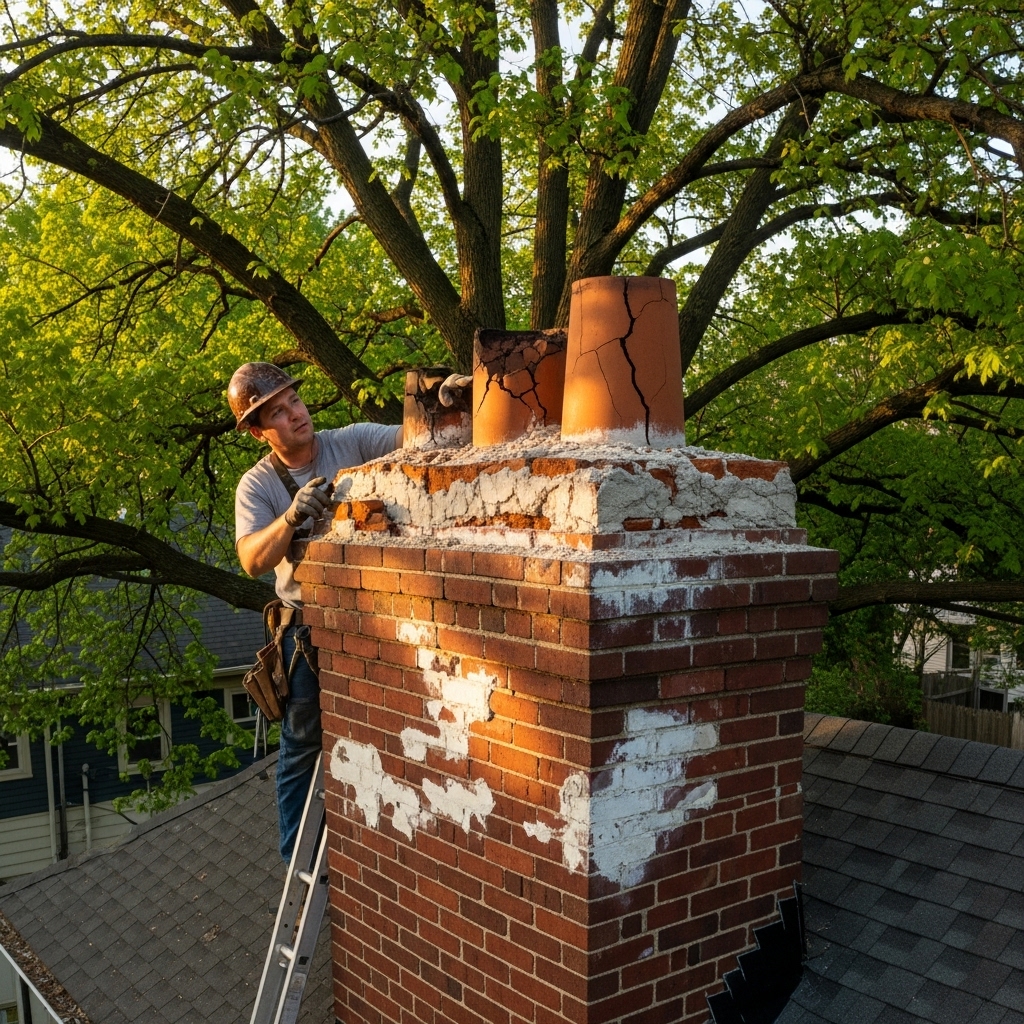
It is common to see older crowns that were poured flat, with no slope or drip edge. Over time, they crack, collect water, and channel that moisture directly into the brickwork below. Some crowns were built with mortar rather than concrete and deteriorated long ago. During inspection, we look for spider cracking, separation at the flue tile, and inadequate overhang. Rebuilding crowns with a proper slope and drip edge protects the chimney stack and prevents the efflorescence and spalling so familiar on older brick facades after a few hard winters.
No cap or improper cap
Caps and spark arrestor screens were not always standard. We still see chimneys with open tops, an easy invitation for rain, snow, and wildlife. In other cases, the cap is decorative but undersized, deformed by hail, or missing a screen. Without a proper cap, moisture runs down the flue and rusts dampers and accessories, while animals bring nesting materials that block draft. An inspection documents the existing condition and recommends a cap matched to the flue size and application, with screening appropriate for wildlife and ember control.
Deteriorated flashing and roof interfaces
Where the chimney meets the roof is often where older homes first show water-related problems. Flashing details may be buried under layers of roofing from past re-roofs or may have lifted over time. We look for staining at the uphill side of the stack, loose counter flashing, and sealants used in place of proper metal work. In snowy winters, ice can creep into these gaps and later reveal itself as a ceiling stain far from the source. Correcting flashing with proper step and counter flashing brings the detail back to standard and prevents chronic leaks.
Smoke chambers that need parging
Older masonry fireplaces frequently have smoke chambers built with corbelled brick steps. Those steps create turbulence that slows exhaust and encourages smoke to roll out of the opening into the room. We assess chamber geometry and surface condition. Parging the smoke chamber smooth reduces turbulence, improves draft, and pairs nicely with damper upgrades to bring an older fireplace closer to modern performance without changing its visible character.
Clearance-to-combustibles concerns
Building practices have changed. In many older houses, the chimney runs tight to framing or has combustible material closer than current standards allow. An inspection during a remodel or prior to a sale will examine accessible attics, basements, and crawl spaces to verify clearances and identify where heat transfer could be a risk. If changes are required, they can often be integrated into planned work with minimal disruption.
Gas conversions in oversized flues
One of the most common patterns in older Denver homes is a gas insert or log set venting into a large, cold masonry chimney. Without a correctly sized liner, the relatively cool exhaust from gas appliances condenses on the flue walls and carries acidic byproducts that corrode metal and eat at mortar. You may notice white staining on the exterior brick, a faint sulfur odor, or persistent moisture in the firebox. Relining with the proper diameter stainless steel corrects the draft and keeps the flue dry.
Shared flues and abandoned thimbles
It was once common to connect multiple appliances to a single flue or to leave a thimble open after a change-out. During a Level 2 inspection, we often discover these relics of past configurations—an old furnace flue connection still open in the basement, or a second fireplace tied into the same chimney with a questionable junction. These details matter for safety and performance. The inspection documents them and lays out a plan to separate, cap, or reconfigure as needed.
Foundation settlement and chimney plumb
Older homes settle. A stack that leans slightly or that has visible stair-step cracks in the mortar joints deserves attention. While some movement is long-settled and not a current risk, other movement indicates ongoing foundation issues or water intrusion. We photograph and measure these conditions during inspection and, if needed, coordinate with structural professionals so that any repair to the chimney works in concert with the home’s overall stability.
Respecting character while improving performance
The best outcomes in older homes marry preservation with practical upgrades. A rebuild of a crown can mirror original profiles while adding slope and overhang. A stainless steel liner can be invisible from the room yet make a world of difference in draft and safety. A new cap can complement brickwork instead of drawing attention to itself. The inspection provides the roadmap so you can make choices that suit your home’s aesthetic and your family’s use.
Timing is important. If you are preparing to sell in neighborhoods like Congress Park or Berkeley, a Level 2 inspection with photo documentation prevents last-minute negotiations over unknowns. If you are planning a remodel, aligning inspection findings with project timelines allows you to open needed access while walls are already exposed rather than tearing into finished spaces later. For routine use, schedule thorough chimney inspection services annually so small age-related issues are addressed before they become costly repairs.
What to expect from a modern inspection
In addition to a close visual review from the firebox to the termination, a modern inspection uses lighting and camera tools to scan the entire flue, documents the condition of the crown or chase cover and cap, and checks the flashing where masonry meets roofing. For older systems, we pay special attention to smoke chamber construction, hearth extension and support, and clearances where the chimney passes through framing. You will receive a report with images, notes prioritized by urgency, and practical options for remediation, whether that is tuckpointing, crown repair, cap installation, smoke chamber parging, or relining.
Frequently Asked Questions
Are unlined chimneys still found in Denver?
Yes, especially in homes built before widespread adoption of clay liners. They may function, but they do not meet modern safety standards. An inspection will confirm the condition and recommend lining options that fit the appliance and preserve the home’s character.
Will relining change how my historic fireplace looks?
No. Liners are installed inside the flue and are not visible from the room. The visible parts of your fireplace—the surround, mantel, and opening—remain unchanged while performance and safety improve significantly.
How do I know if my chimney crown needs rebuilding?
Look for cracks, ponding water, separation at the flue tile, and missing drip edges. However, many problems are only obvious from close up. A camera-equipped inspection with roof access will provide definitive answers and clear photos.
Is smoke chamber parging appropriate for older fireplaces?
It is one of the least intrusive, most effective improvements we make in older homes. Parging smooths rough steps that slow exhaust, improving draft and reducing smoke rollout without altering the fireplace’s visible design.
What about shared flues I cannot see?
Level 2 inspections are designed to find them. We evaluate accessible attics and basements, scan the flue, and document any tie-ins or abandoned openings so they can be safely separated or sealed.
Can I wait until I smell smoke or see stains?
By the time odors and stains appear, moisture and byproducts have likely been moving through the system for a while. Annual inspections catch small issues early—especially important in older Denver homes where age and weather have had decades to work.
Call to action
If your home carries the charm of an earlier era, give its venting system the same attention you give its woodwork and masonry. Schedule knowledgeable chimney inspection services to protect your home’s character while ensuring safe, reliable performance for many winters to come.