
When Denver homeowners ask what determines the price of a chimney service, the most accurate answer is: it depends on a variety of factors unique to each system and household. While this guide will not discuss specific dollar figures, it explains the variables that influence overall investment, from chimney design and condition to access, seasonality, and scope of work. Understanding these factors empowers you to plan, compare proposals confidently, and prioritize the services that keep your home safe. If you would like a professional assessment tailored to your home, you can schedule a trusted chimney sweep to evaluate your system and provide recommendations.
Every chimney has a history—how often it is used, the type of fuel burned, how well it has been maintained, and how Denver’s climate has treated it. That history directly affects how long a service will take and what tools and expertise are required, which in turn shapes the final investment.
Chimney Type and Configuration
The first factor is the system itself. Masonry chimneys with clay tile liners differ significantly from prefabricated metal systems. Height, flue size, and the number of bends or offsets influence how challenging a flue is to clean and inspect. Chimneys that serve multiple appliances or have unusual transitions require additional care to ensure each pathway is clear and compliant with safety standards.
Condition of the Flue and Firebox
Light, powdery soot can be removed efficiently with standard brushes. Heavier deposits, especially shiny glaze, call for specialized techniques and more time. In the firebox, cracked refractory panels or missing mortar joints may necessitate repair recommendations after cleaning. When issues compound—such as glaze combined with liner damage—the service naturally becomes more involved.
Access and Safety Considerations
Access affects the time and equipment needed. Steep roofs, high stacks, or chimneys located near roof edges require additional safety precautions, staging, and sometimes extra personnel. Winter conditions are a special consideration in Denver; ice, snow, and wind can delay roof access, prompting interior-only work until safe conditions return.
Caps, Crowns, and Flashing
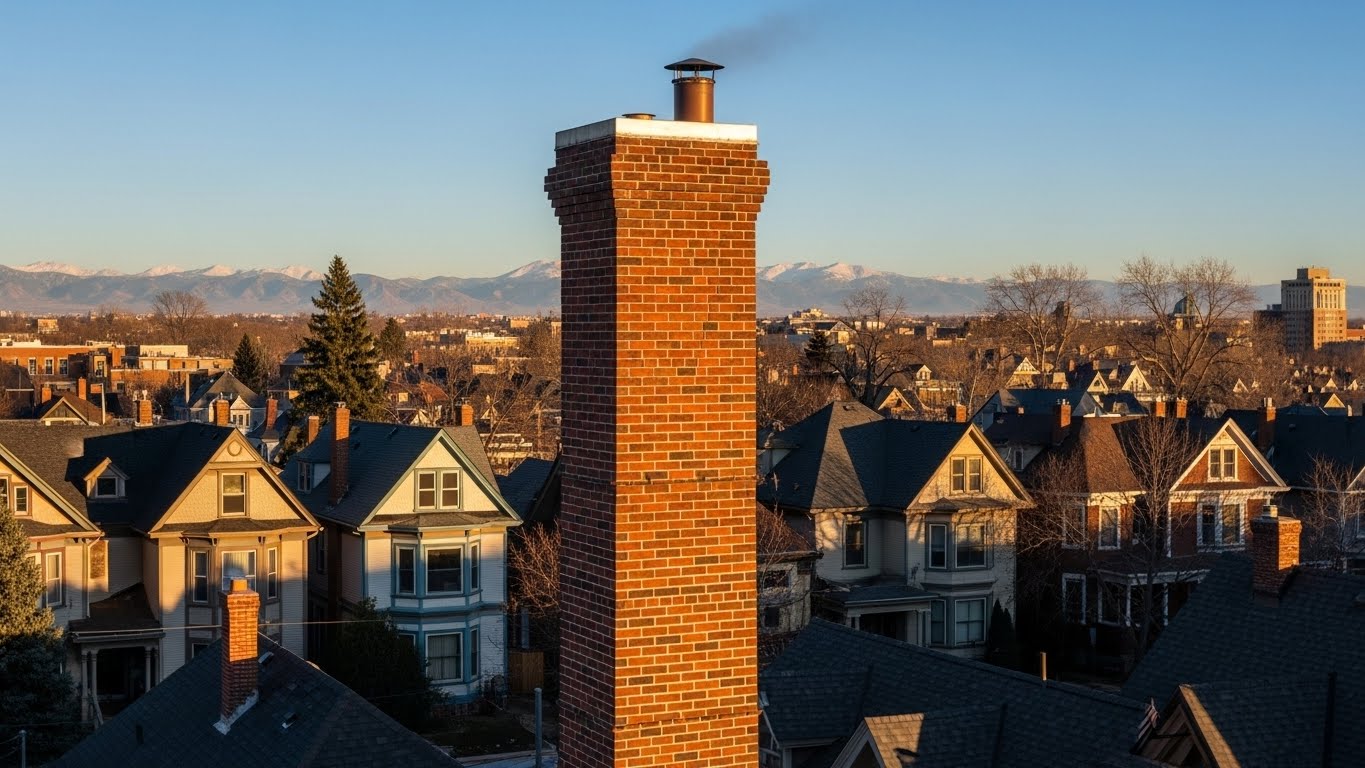
Cap condition matters because clogged screens slow down the process and can mask draft issues. Crown cracks and compromised flashing may be flagged for repair after cleaning. While these elements are separate from the flue itself, they often come up during service and influence the overall scope of recommendations.
Animal and Debris Removal
If birds, squirrels, or debris have taken up residence in your chimney, removal adds steps. Technicians must ensure any wildlife has vacated, safely clear nests, and confirm airflow with a post-removal draft check. Installing or repairing a durable cap usually follows to prevent recurrence.
Appliance Type and Usage Patterns
Wood-burning fireplaces, wood stoves, gas inserts, and gas log sets all have different maintenance needs. Frequent weekend fires produce different residues than occasional holiday use. Short, smoldering burns create more creosote than small, hot fires. The more residue present, the longer the cleaning takes and the more thorough the inspection should be.
Inspection Level and Reporting
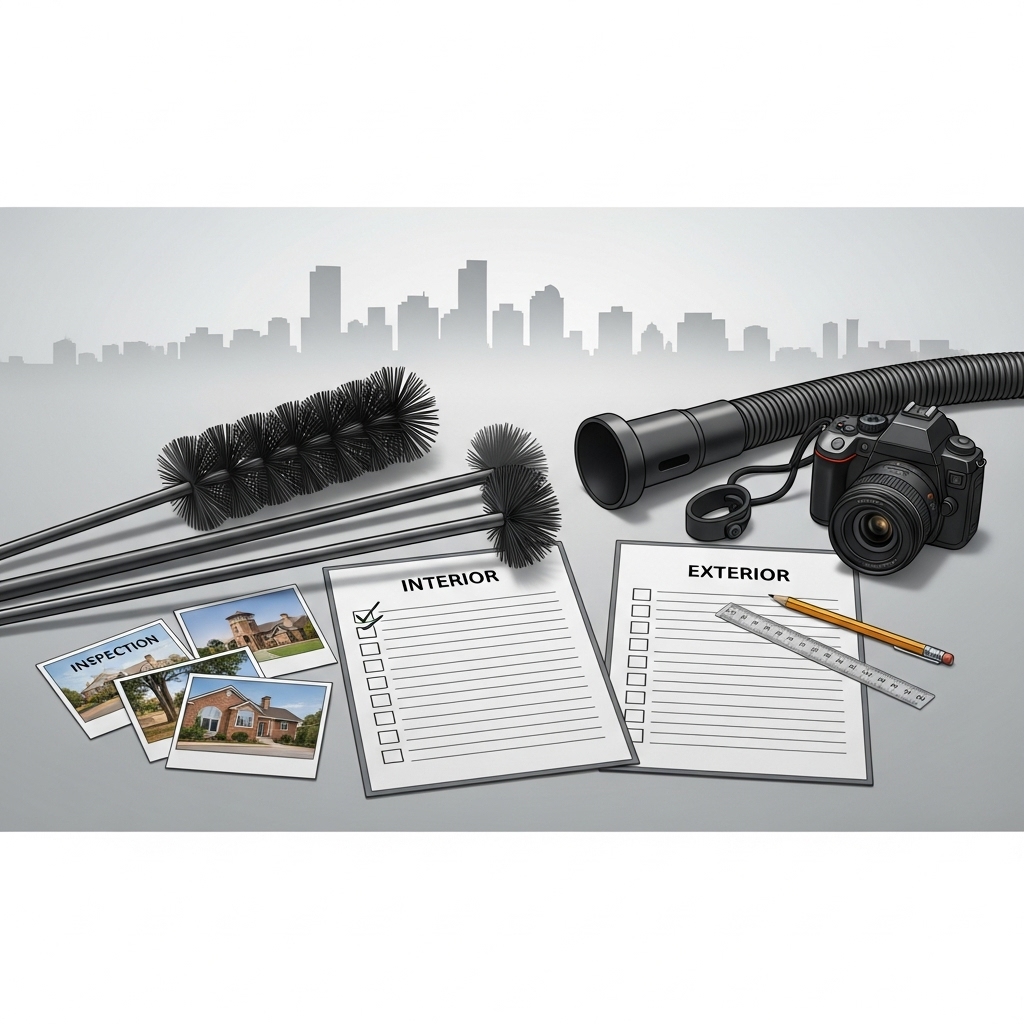
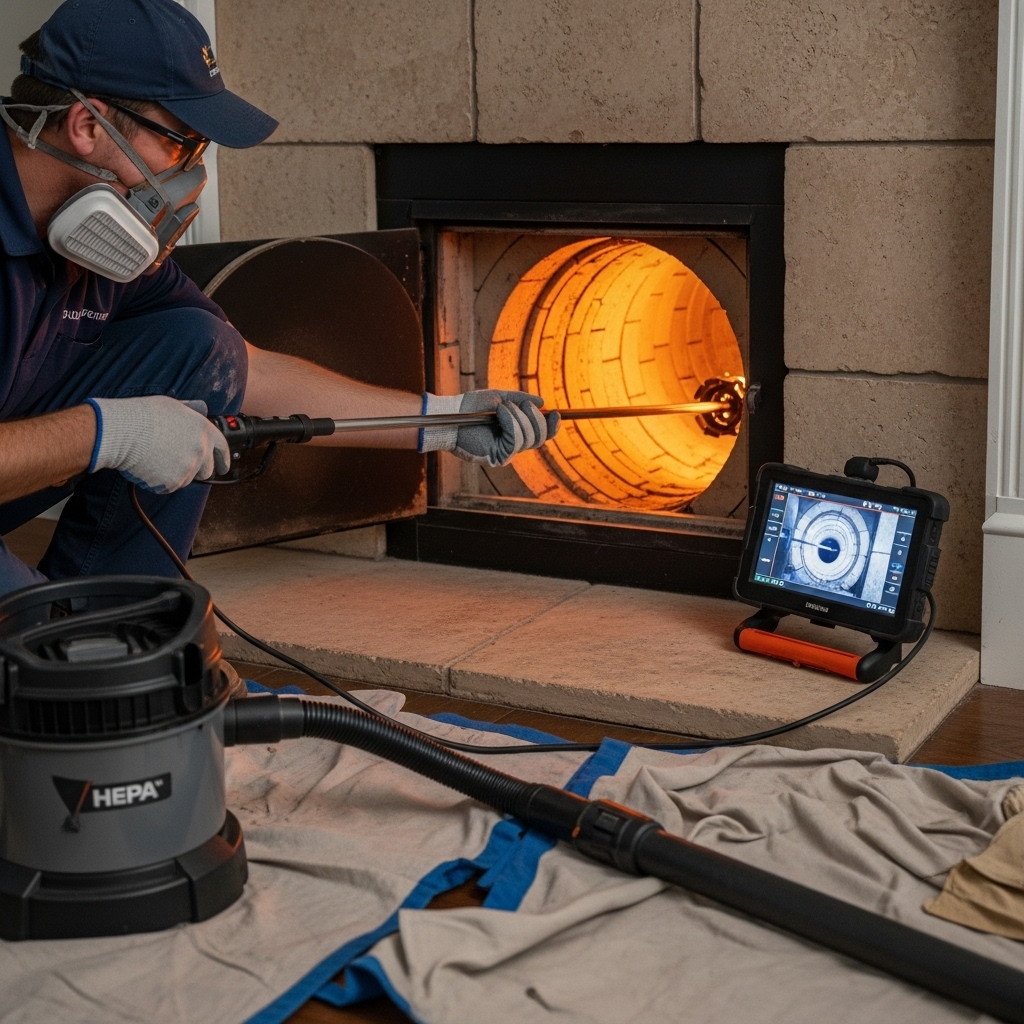
Services range from routine maintenance inspections to comprehensive internal camera assessments. More detailed inspections require additional time for documentation and analysis. Thorough reports with photos help you make informed decisions and provide a baseline for future comparisons.
Repairs and Follow-Up Work
Cleaning often reveals repair needs—from crown sealing to liner issues or damper replacement. While cleaning and repairs are distinct scopes, they are related; a well-maintained system is easier to service in the future. Coordinating necessary repairs promptly can prevent minor problems from growing into larger concerns.
Scheduling and Seasonality
Demand in Denver typically increases as temperatures drop. Securing appointments before the first cold snap can improve availability. Mid-season service may require extra coordination due to weather impacts on roof access. Off-peak scheduling provides flexibility for thorough inspections and any follow-up repairs.
Experience and Credentials
The training and experience of the technician play a role in service quality. Professionals with strong credentials bring diagnostic skills that can save time and prevent oversights. Detailed documentation, clear communication, and safety-first practices are hallmarks of seasoned providers.
Home-Specific Variables
Each home presents unique conditions: remodeling that alters ventilation patterns; nearby trees that drop debris; roof materials that affect footing; or neighborhood winds that challenge draft. These factors influence both the inspection and the methods used during cleaning.
What You Can Do to Streamline Service
- Burn seasoned wood and avoid long, smoldering fires to reduce residue.
- Keep the area around the hearth clear so technicians can set up containment quickly.
- Note any odors, smoke spillage, or draft changes and share them during scheduling.
- Maintain a record of past services and repairs for reference.
Myths About Chimney Pricing
- Myth: All chimneys cost the same to clean. Reality: Design, height, deposits, and access vary widely.
- Myth: If I do not use my fireplace often, I do not need service. Reality: Debris, animals, and moisture can cause problems even with light use.
- Myth: A quick visual check is enough. Reality: Many issues—like liner gaps or smoke chamber irregularities—require careful internal inspection.
Value of Preventive Maintenance
Regular cleaning and inspection often reduce the complexity of future work, keeping your system in better condition and limiting surprises. It also supports efficient burning, better indoor air quality, and comfort during Denver’s cold snaps. Documentation from consistent service helps track wear and informs targeted, efficient repairs if needed.
Questions to Ask When Comparing Proposals
- What areas are included in the cleaning and inspection?
- Will you use a camera to document the flue’s condition?
- How will you protect the home’s interior during service?
- What report or photos will I receive afterward?
- If issues are found, what are the recommended next steps?
Frequently Asked Questions
Q: How often should I schedule chimney service in Denver?
A: An annual inspection is a sound baseline. Cleaning frequency depends on use and residue levels found during the inspection.
Q: What if weather prevents roof access on my appointment day?
A: Safety comes first. Interior work may proceed, with exterior or roof components rescheduled when conditions allow.
Q: Does a gas fireplace need cleaning?
A: Yes. While cleaner than wood, gas appliances can produce residue and benefit from inspection of vents, gaskets, and glass.
Q: Will cleaning address smoke odors?
A: Cleaning helps, but odors can stem from moisture intrusion, negative pressure, or heavy deposits in the smoke chamber. A thorough inspection identifies the source and next steps.
Q: Is a cap necessary if I rarely use the fireplace?
A: A cap helps keep out moisture and animals and reduces downdrafts. It is valuable for both frequent and occasional users.
Plan Your Service with Confidence
Knowing the factors that shape chimney service helps you prepare and prioritize without guesswork. If you want a clear, personalized assessment for your home, schedule a professional chimney sweep who can evaluate your system, document findings, and recommend a maintenance plan suited to Denver’s climate.