Trusting someone to work on your chimney means trusting them with your home’s safety. Verification of credentials protects you from shortcuts, misdiagnoses, and incomplete service. This guide explains how Denver homeowners can confirm chimney technician qualifications, understand common certifications, and spot red flags. It includes practical steps to check documentation, insurance, and inspection methods so you can make an informed choice. If you prefer to start with an established provider, consider booking a reputable chimney sweep who can present credentials and detailed reports before and after service.
Certification is one indicator of professionalism, but the full picture includes training, experience, safety practices, and clear communication. Verifying all of these elements ensures your chimney is inspected and serviced according to best practices suited to Denver’s weather and housing styles.
Know the Common Certifications
Several nationally recognized credentials exist for chimney professionals. These certifications typically require passing comprehensive exams, adhering to a code of ethics, and continuing education to stay current with standards and techniques. While the organizations that grant them may vary, the goals are similar: demonstrate knowledge of fire safety, venting, materials, inspection methods, and repair practices. Ask prospective providers which certifications they hold and request proof with ID numbers and expiration dates.
Confirm Identity and Active Status
Request the technician’s full name, company name, and a credential card or certificate that shows the credential number and expiration date. Cross-check that the name on the card matches the person who will perform the work. Ask for a written proposal on company letterhead that also lists the credential details. If the company sends multiple technicians, verify the credentials for each person who will be on site.
Review Training and Continuing Education
Certifications often require continuing education. Ask about recent courses, workshops, or hands-on training modules completed. New materials, liners, and inspection tools are released regularly; continuing education shows the provider is up to date on methods that improve safety and efficiency.
Check Insurance and Bonding
Request a certificate of insurance that lists general liability coverage and, when applicable, workers’ compensation. The certificate should name your address as the job location and show current effective dates. Bonding, where applicable, provides additional protection if the job is not completed as agreed. Keep copies of these documents with your records.
Verify Local Licensing and Permit Knowledge
In the Denver area, contractors may be required to hold local or state licenses for certain types of work. Confirm that your provider is familiar with local codes and knows when permits are required for repairs, relining, or structural changes. Technicians who regularly work in the region are more likely to understand neighborhood-specific wind patterns, altitude-related draft considerations, and typical masonry styles.
Ask About Inspection Methods and Reporting
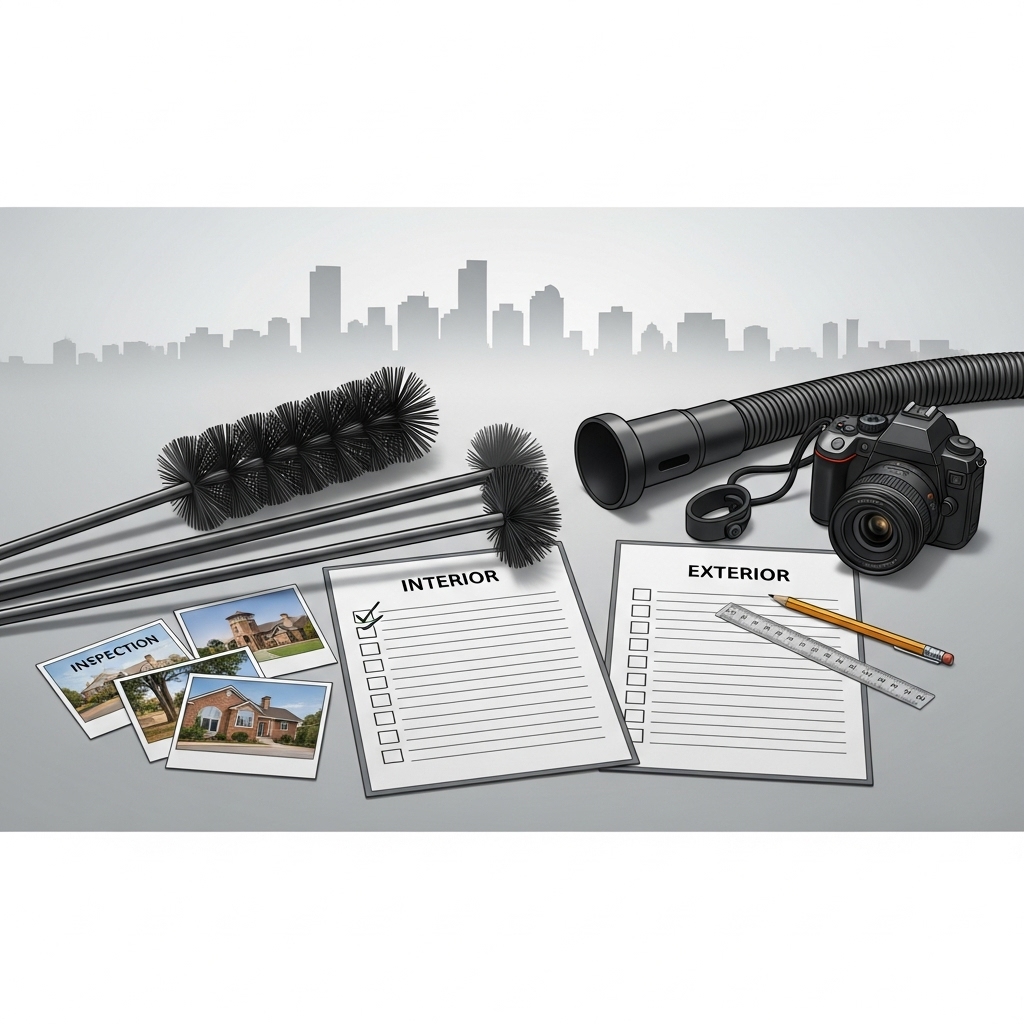
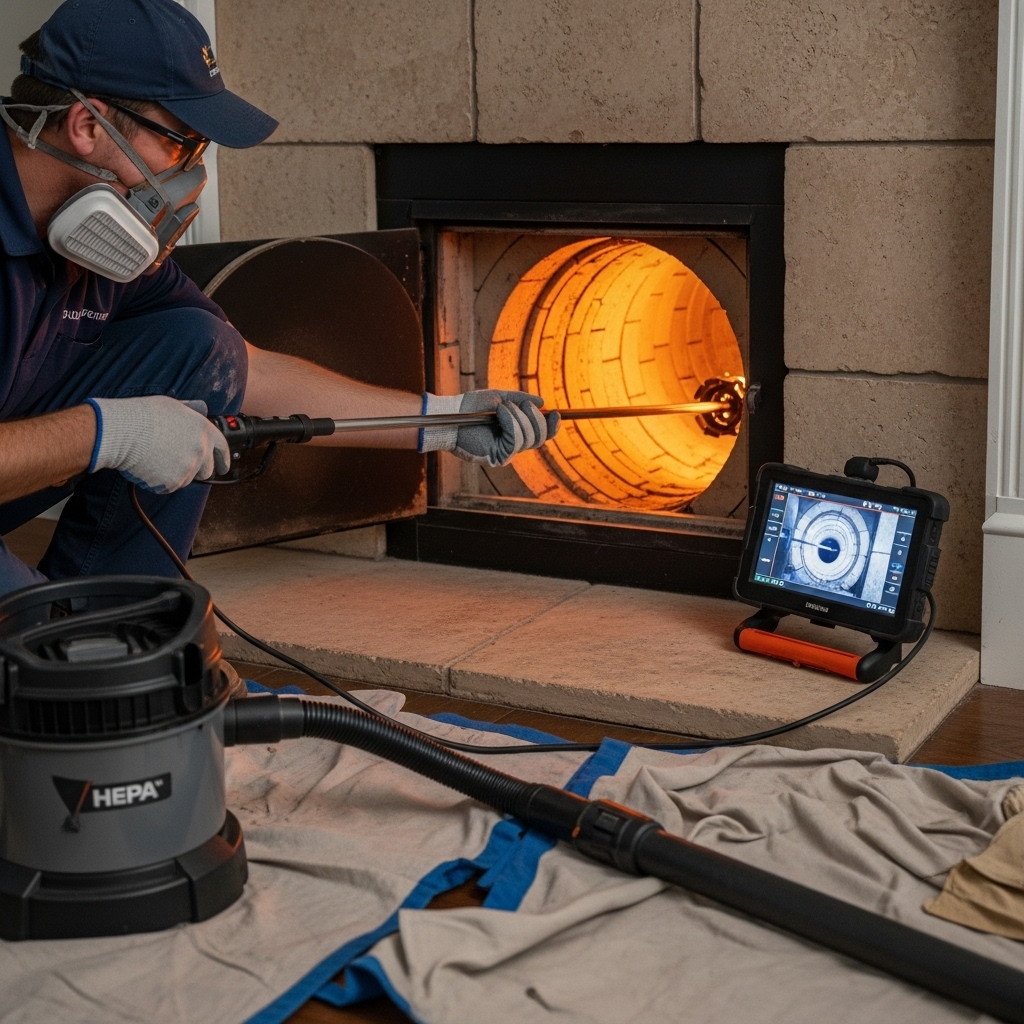
Quality providers use systematic inspection methods. Ask whether they perform internal flue reviews using mirrors or cameras, how they document findings, and what the final report includes. Detailed photos and notes allow you to verify that work was completed and provide a baseline for future comparisons.
Understand Scope: Cleaning vs. Inspection vs. Repair
Clarify what the appointment includes. Cleaning removes residues; inspection evaluates the system’s condition; repair addresses defects. A transparent scope prevents misunderstandings and ensures expectations are aligned. If the appointment is for cleaning, ask how the technician will handle discoveries that require repair—will they document issues and schedule a follow-up?
Evaluate Communication and Professionalism
Professionalism shows up in scheduling, punctuality, protective measures indoors, and the clarity of written recommendations. During the initial call, explain your fireplace use, any odors, smoke spillage, or past repairs. A good provider listens, asks follow-up questions, and proposes next steps with clear timelines.
Request References and Reviews
Ask for recent references and follow up with specific questions: Were findings explained clearly? Did the technician provide before-and-after photos? Were recommendations prioritized and easy to understand? Consistency across multiple homeowner experiences is a strong indicator of reliability.
Red Flags to Watch For
- Reluctance to show credentials or provide credential numbers.
- No written estimate or report.
- High-pressure tactics to start repairs immediately without documentation.
- Inconsistent explanations or unwillingness to answer questions.
- Lack of protective measures inside the home or inadequate cleanup.
Comparing Multiple Providers
When you collect proposals, look beyond the headline description. Compare the depth of inspection, whether a camera will be used, the number of photos you will receive, and how the provider plans to protect your interior spaces. If one proposal is vague, ask for clarification in writing so you can make a true like-for-like comparison.
Documentation You Should Receive
- A written scope describing what was inspected and cleaned.
- Photos of the flue, smoke chamber, crown, cap, and any areas of concern.
- Notes on damper operation, draft behavior, and odors.
- Recommendations prioritized by safety, moisture control, and performance.
Homeowner Preparation to Support a Thorough Visit
- Allow full cool-down time before the appointment.
- Clear space around the hearth for containment and tools.
- List past issues and repairs to share with the technician.
- Arrange safe roof access if needed and discuss weather contingencies.
Frequently Asked Questions
Q: Why does certification matter for a chimney technician?
A: Certification reflects tested knowledge of venting systems, safety standards, and repair practices. It also typically requires ethical commitments and ongoing education, which supports quality outcomes.
Q: How can I verify a credential’s validity?
A: Ask for the credential organization, ID number, and expiration date. Request proof in writing and a photo of the credential card. Confirm the name matches the person doing the work.
Q: Should the technician use a camera during inspection?
A: Cameras provide visual verification of liner condition and hidden areas. While not always required, they significantly improve documentation and decision-making.
Q: What if I have a gas fireplace—do I still need a certified professional?
A: Yes. Gas appliances require venting expertise, gasket checks, and proper log placement verification. A trained professional understands these details and can spot safety issues.
Q: What is the difference between cleaning and inspection?
A: Cleaning removes soot and creosote. Inspection evaluates structural integrity, draft performance, and component condition. Both are important and often performed together.
Choose Confidence for Your Denver Home
Verifying credentials, insurance, and inspection methods helps you hire with certainty. When you are ready to move forward with a provider who explains findings clearly and documents work thoroughly, schedule a professional chimney sweep to protect your home and keep your fireplace running safely through Denver’s coldest nights.