
When Denver homeowners ask what to expect around the investment for their next chimney service, what they are really seeking is clarity: clear steps, clear outcomes, and a clear sense of how a trusted local professional approaches the job. As a Denver-area tech who’s climbed more Front Range roofs than I can count, I’ve found that the most helpful way to frame the conversation is to describe the process, the common variables that shape the scope of work, and the value you get from a meticulous appointment. From altitude-altered combustion to mountain-weather wear, our chimneys lead hard lives here, and understanding the nuances can save you headaches later. If you’re planning your next chimney cleaning, the overview below will walk you through how an appointment typically unfolds, why Denver’s conditions matter, and how to prepare for a smooth visit.
Let’s start with the big picture. A thorough service appointment in Denver is as much about inspection as it is about soot removal. The goal is to leave your venting system free of combustible deposits and free of blockages, while also documenting any concerns that could affect performance or safety. Technicians look at three main zones: the appliance or firebox, the flue interior, and the chimney exterior. From the living room to the termination cap, every section tells a story about how your system has been burning and breathing.
Because we live at elevation, combustion behaves differently than it does at sea level. Lower oxygen density can change draft characteristics, especially on cold mornings when stack effect is strong and the house is sealed tight. Those factors can influence how smoke moves, where condensation forms, and how creosote accumulates. Over a winter’s worth of fires, tiny differences add up. The right approach blends experience, code knowledge, and the practical wisdom that comes from working on Denver and foothills homes year after year.
What a typical Denver appointment looks like
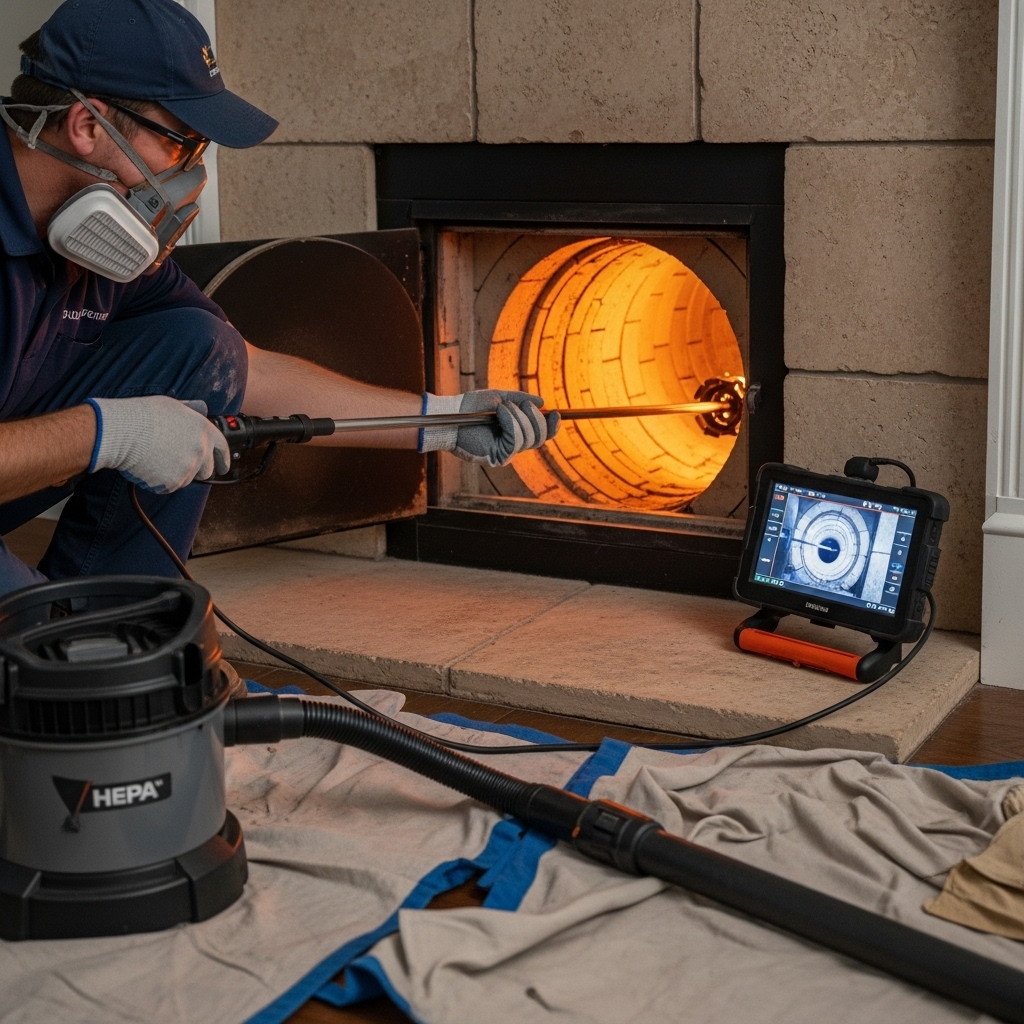
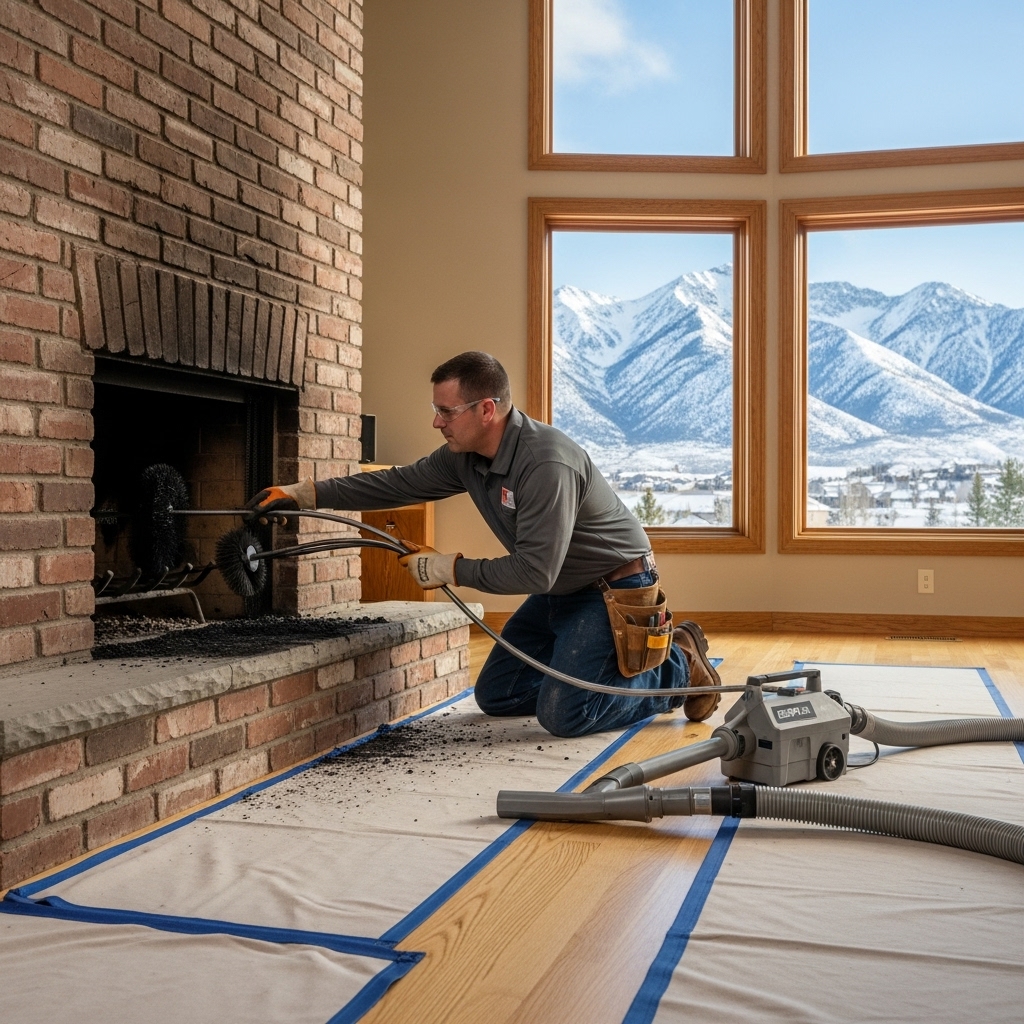
On arrival, a conscientious crew starts with containment and protection. Clean drop cloths and runners are laid from the entry to the hearth, and HEPA filtration is positioned to capture fine particulates during brushing. Before any tools touch the flue, the technician will ask about recent performance: smoke spillage, unusual odors, noises on windy nights, or changes in how easily a fire starts. These details help pinpoint airflow issues and determine whether to begin at the firebox or at the cap.
Next comes a visual review of the firebox, damper, and smoke chamber. In masonry fireplaces, the smoke chamber is a common problem area, where creosote can plate out on rough surfaces or on old patchwork mortar. For factory-built units, the focus shifts to the condition of the metal throat, the baffle components, and clearances to combustibles. If you have a stove, insert, or gas log set, the tech will note the appliance make and model and confirm installation details that affect draft and service approach.
With the interior prepped, the crew will access the roof if weather and safety permit. In Denver, roof access decisions often hinge on snow or ice, wind, and roof pitch. A steeply pitched roof or one with fragile tile requires special care. Up top, the cap, spark arrestor screen, crown or chase cover, and flashing are checked, and any signs of animal intrusion or debris are documented. These exterior components are your first line of defense against moisture and wildlife, so they get careful attention.
The brushing stage uses flexible rods and appropriately sized heads to contact the entire flue surface. The goal is to dislodge soot and creosote without damaging liners, which is why an experienced tech sizes equipment to your specific system—masonry clay tile, stainless steel liner, or a factory-built unit. As deposits are loosened, they are captured at the base with controlled vacuuming to keep your living space clean.
Finally, a camera inspection may be performed to document the interior condition. This step is particularly helpful in older homes where liners may have shifted, cracked, or become out-of-round over the decades. Video or still images help you see what the tech sees and inform recommendations, whether that’s simple monitoring or a plan for targeted improvements.
Denver-specific factors that shape the scope of work
Every city has its quirks, and Denver has more than a few that matter for your chimney. Altitude is one, but microclimates are another. A home in Wash Park may experience different wind patterns than a home in Golden, and properties tucked close to the foothills often see stronger gusts that stress caps and screens. Inversions can push smoke back down on certain winter days. Each of these influences buildup patterns and sometimes the frequency of service.
Fuel type also plays a role. Well-seasoned hardwood burned hot and with plenty of air leaves different traces than shoulder-season fires made with softer wood or less-than-dry logs. If you’ve ever tried to take the chill off on a damp fall afternoon with low, smoldery flames, you’ve seen how quickly sticky residues can form. Gas systems, while typically cleaner, still require regular attention for vent integrity and to ensure no nesting or debris is restricting the path.
The design of your chimney matters, too. A tall, straight flue tends to draft more predictably than one with offsets. A cold exterior chimney on a north wall can condense more vapors than a warm interior stack protected within the thermal envelope of the home. Transitions, thimbles, and old dampers can create turbulence that traps deposits. A well-trained eye recognizes how those elements interact and tailors the service process to your configuration.
What “thorough” really means
When you invite a professional into your home, you should expect more than just a quick brushing. A thorough appointment addresses cleanliness, functionality, and documentation. That means your hearth, hearth extension, and surrounding finishes are protected and left clean. It means moving methodically from the firebox to the flue and up to the termination, checking each component in sequence. And it means communicating clearly about any observations that may affect performance or safety, with photos where appropriate.
Thorough also means respecting your time. Denver weather can complicate schedules—winds pick up, storms roll off the mountains—but a reputable company will keep you informed and avoid risky climbs. If roof access isn’t safe, interior-only options may be used temporarily, with exterior review rescheduled at the first safe window.
Preparing your home for a smooth visit
A few small steps can make the day go easier. If you used the fireplace or stove recently, avoid burning for at least 24 hours so ashes and residues are cool. Move fragile items off the mantel and nearby surfaces. Clear a path from the door to the hearth so tarps and vacuums can be staged efficiently. If you have pets, plan a quiet space for them away from the work area. These simple preparations allow the technician to get right to work and help keep your home comfortable and clean.
If you suspect animals, unusual odors, or water intrusion, mention it when you schedule. Early warning lets the crew arrive with the right tools to address nests, stuck dampers, or saturated insulation inside chase walls. In older houses, hidden surprises are part of the charm—and planning ahead keeps surprises from slowing you down.
Why documentation matters
Good documentation is more than a formality; it builds a record of your system’s condition over time. Photographs of liners, crowns, and fireboxes allow you to track changes year to year. If you’re planning renovations, selling a home, or just like keeping a tidy homeowner’s file, those images and notes are invaluable. Insurers and real estate professionals often ask for proof of annual service and inspection, and having organized records prevents delays when deadlines are tight.
For homes that have had seismic settling, prior storm damage, or major appliance conversions, documentation helps future technicians understand what’s been done and why. It’s a gift to your future self—and to the next person who services your home.
Seasonality and scheduling
Denver’s burn season tends to ramp up in late fall and early winter. That’s when technicians’ calendars fill the fastest. If you prefer prime appointment times or need a specific window, consider scheduling during shoulder seasons—late spring or early summer—when the weather is cooperative and slots are easier to secure. Off-peak scheduling also makes it simpler to address any follow-up work well before the first frost.
Of course, life doesn’t always line up with the calendar. If you’re navigating a tight schedule or a last-minute issue, a reputable local company will still aim to accommodate. Communication is key: the more your technician knows about your needs, the better they can tailor the plan for your home.
Value: what you gain beyond a clean flue
A clean, well-inspected chimney is first about safety—reducing the risk of chimney fires and ensuring proper venting for combustion gases. But it’s also about performance. Fires start more easily and burn more evenly in a system that drafts correctly. Odors diminish when residues are removed and moisture is kept out. The living room stays cleaner when ash and soot are controlled with proper containment and HEPA filtration during service.
There’s peace of mind in knowing an expert has looked over your system after the heavy burn months and confirmed it’s behaving as it should. If improvements are recommended—like modernizing a damper, adding a cap with tighter screening, or addressing minor mortar joints—you can plan them proactively rather than reactively.
The midpoint check-in: your Denver context
By the time you’re halfway through a thorough appointment, most of the heavy brushing is done, and the focus turns to fine cleanup and camera review. This is a great moment to ask questions. Wondering about burn technique, wood storage, or why smoke curled differently on that one windy night? Ask away. The local tech who services homes from Capitol Hill to Green Mountain has probably seen a version of your question in the field. And if you’re mapping out your next chimney cleaning on the calendar, this is also a good time to coordinate timing that fits your home’s burn habits and your schedule.
Common Denver findings and what they mean
Creosote glaze in the smoke chamber often points to low, smoldering fires or cold starts. Flaking clay tiles can indicate moisture intrusion, thermal shock, or long-term age. Staining on the exterior face may come from a capless top, compromised crown, or flashing that needs attention. Animal nests show up reliably in spring when birds and small mammals look for warmth and shelter. None of these are unusual; what matters is catching them early and addressing the root cause.
In factory-built systems, you may see screen clogging from sticky residues if fires were consistently low and smoky. In stoves and inserts, baffle wear or door gasket compression can affect combustion efficiency and draft. These are the sorts of small things that a trained eye catches before they turn into bigger issues, keeping your living room cozy and your chimney working as designed.
How homeowners can support better performance
Burn seasoned wood stored off the ground and protected from precipitation. Build hotter, cleaner starts with plenty of kindling and air to warm the flue quickly. Once the system is drafting, dial in the air for an efficient burn, but avoid long, smoldery cycles. On windy days, monitor performance and consider letting a strong front pass before lighting if your chimney is especially tall or exposed. And keep rain and wildlife out with a well-fitted cap designed for our local wind patterns.
Inside the home, be mindful of competing exhaust devices. The big kitchen hood on high or a whole-house fan can pull against the fireplace and create negative pressure. If smoke wants to spill when those systems run, crack a nearby window an inch or two during startup to supply the room with makeup air.
Finding the right local pro
Look for a company with strong local roots and a track record of serving Denver’s diverse housing stock—from century-old brick homes to modern infill construction. Ask how they protect interiors, what equipment they use for fine dust control, and how they document findings. Good communication and respect for your home are markers of a team that treats your fireplace as if it were their own.
Certifications, ongoing training, and adherence to recognized standards are all indicators of professionalism. So is a willingness to explain what they found and why it matters in plain language. When you partner with a pro who takes that approach, you gain an ally for the long-term care of your home.
FAQ
How often should I schedule service for my chimney in Denver?
Most homes benefit from an annual inspection, with cleaning as needed based on how often and how you burn. Our altitude, winter weather, and the mix of wood used can all influence how quickly residues accumulate, so checking yearly keeps you ahead of surprises.
Can I use my fireplace the same day as the appointment?
If all components are in good condition and the technician gives the green light, many homeowners can enjoy a fire later that day. Always let the service team finish and confirm the system is ready before lighting.
What if my roof is steep or icy on the day of service?
Safety comes first. If conditions make roof access unsafe, a reputable company will adjust the plan and return for the exterior portion as soon as weather allows.
Do gas fireplaces need attention, too?
Yes. Gas appliances produce byproducts and rely on venting components that can be affected by debris, nesting, or age. Regular checks ensure proper operation and vent integrity.
Will my house get dusty during cleaning?
With proper containment and HEPA filtration, dust is kept to a minimum. Protecting your interior is part of a professional workflow, and careful crews leave living spaces as clean as they found them.
Final thoughts and next steps
If your fireplace is part of how you make a Denver winter feel like home, partner with a local expert who understands the details that matter here. When you’re ready to plan your next chimney cleaning, choose a team that values clear communication, careful protection of your space, and thorough documentation. Reach out today to schedule a convenient time, ask your questions, and set your home up for a safe, cozy season ahead.