In Denver, safety at the hearth starts long before the first match is struck. The work of keeping a chimney clean and well-inspected is about ensuring every part of the system—firebox, flue, and exterior—works together to move heat and byproducts where they belong. Our altitude, wind, and freeze-thaw cycles shape how deposits form and how components wear. That is why a Denver-savvy approach focuses on both removal of residues and a clear-eyed look at the components that keep weather and wildlife out. If you’re getting ready for seasonal maintenance or planning your first appointment in a new home, this guide explains how a professional prioritizes safety from the moment they walk in the door and why now is a great time to schedule chimney cleaning.
The fundamental aim of cleaning and inspection is simple: reduce risk and confirm integrity. Reducing risk means removing combustible deposits and ensuring no blockages are present. Confirming integrity means verifying that the pathways are continuous, the protective elements are intact, and the system can draft reliably given our local conditions. These two goals inform every step a careful technician takes, from laying down drop cloths to the final photo in the report.
Safety begins with preparation
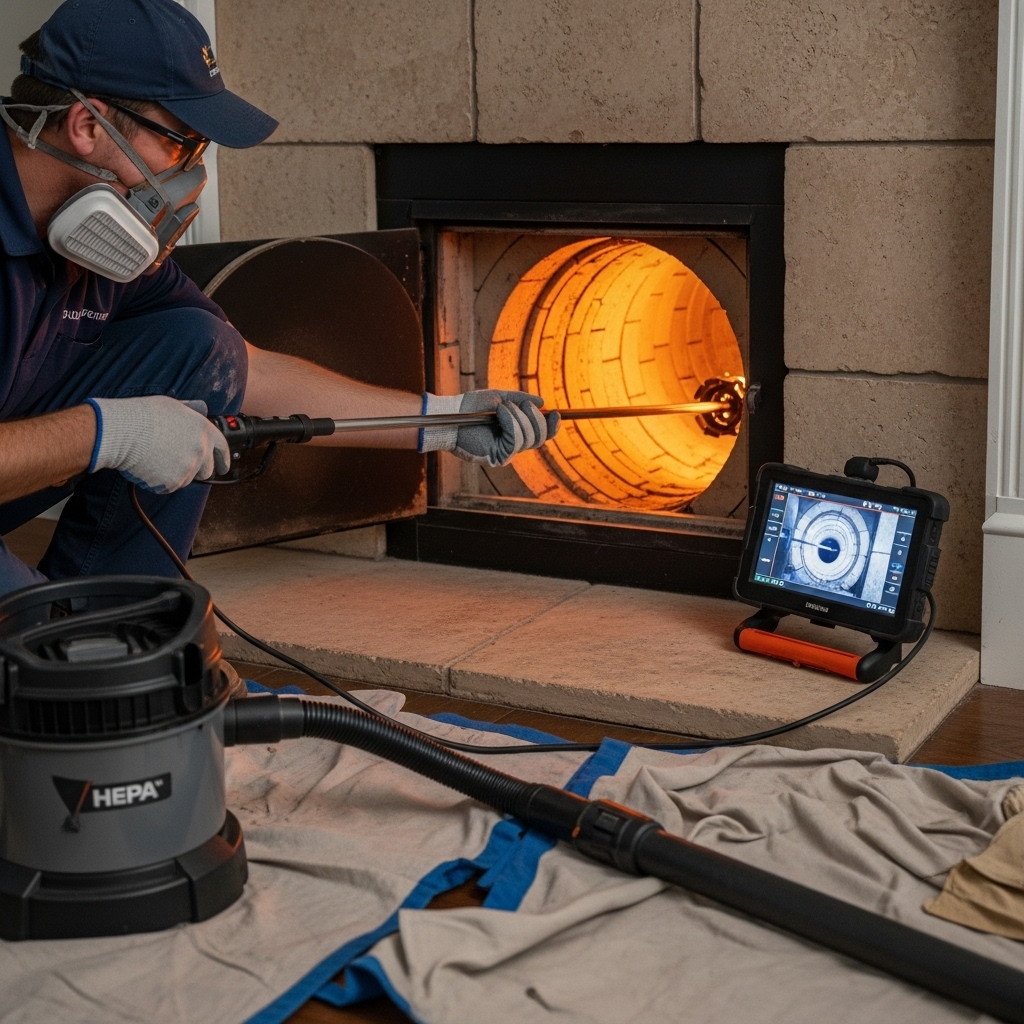
Before tools come out of the van, the crew establishes containment. Clean runners and drop cloths protect finished floors, and HEPA filtration captures fine particulates during brushing. A brief conversation comes next: recent performance, any smoky startups, odors, or unusual noises during windy nights. Those clues guide the service plan and highlight areas to watch closely—especially the smoke chamber in masonry systems and the components of stoves, inserts, and factory-built units.
Inside the firebox, the technician checks for cracking, spalling, and loose mortar joints. A warped or misaligned damper can impede draft, while rough surfaces in the smoke chamber tend to accumulate sticky residues. In metal systems, attention turns to baffles, gaskets, and the throat area where byproducts make the first turn into the flue. Each finding is noted, and where appropriate, photographed for your records.
Up the flue and onto the roof
Once the interior is staged, brushing begins with rods and tools suited to the flue size and material. The aim is to mechanically remove residues without harming liners. As deposits are dislodged, a controlled vacuum collects them at the base to keep your living space clean. If the system includes offsets, special attention ensures that all surfaces receive adequate contact.
When weather permits safe access, the team moves to the roof. Denver roofs can present challenges—steep pitches, snow and ice, or fragile tiles—so safety dictates timing. Up top, the cap and spark arrestor screen are inspected for clogging, warping, and nesting. The crown or chase cover is checked for cracks or age-related wear, and flashing is examined where the chimney meets the roof. These components are your first line of defense against water and wildlife; their condition has a direct effect on the health of the flue below.
Inspection that informs decisions
Beyond a visual survey, many appointments include camera imaging. This allows the technician to document the interior of the flue, especially important in older homes or systems with complex routing. Video or still images tell a clear story about the liner’s condition, any offsets, or areas where residues tend to cling. That documentation helps you decide what to do next—whether it’s simply enjoying the hearth with confidence or planning targeted improvements that boost safety and performance.
In Denver, inspection findings often reflect our climate. Freeze-thaw cycles can stress masonry, and high UV exposure ages exterior metal. Wind gusts can rattle caps and screens, loosening fasteners over time. Inside, tighter homes shift how air moves, occasionally making fireplaces compete with big kitchen hoods for makeup air. A good report ties these factors together so you understand not just what was found, but why it likely occurred.
Combustion air and draft: the quiet safety factors
Draft is the engine that moves smoke and gases from the firebox to the open air. At altitude, getting that engine started sometimes takes a moment, especially on cold mornings. Once the flue warms, a steady column of rising air does the heavy lifting. If the house is very tight, fans are running, or the chimney is unusually cold, smoke can hesitate at startup. Simple practices—preheating the flue with a rolled newspaper held near the damper, cracking a nearby window an inch or two for makeup air—can make a big difference.
Gas appliances add another wrinkle. While generally cleaner, they still require adequate draft and intact venting. A blocked terminal or compromised section of vent pipe can create a hazard. Routine checks confirm these pathways remain clear and continuous, which is why gas logs and inserts belong on the same maintenance calendar as wood-burning systems.
Mid-cycle planning: setting a healthy rhythm
Halfway through a heating season—or halfway through your first year in a new home—is an excellent time to reassess. Are you burning more often than expected? Do you notice smoke behavior changing on windy nights? Are there faint odors after storms? These observations help adjust your maintenance rhythm to real life. Planning your next chimney cleaning around those patterns keeps your system safer and more predictable.
For homeowners who use the fireplace as a primary comfort piece during cold spells, annual inspections are a sensible baseline. For households that light only a handful of fires, yearly checks still make sense because weather and wildlife don’t follow your calendar. Either way, you’ll benefit from fresh eyes on the system and a tidy sweep as needed.
Homeowner practices that support safety
Burn seasoned wood stored off the ground and protected from precipitation. Start fires cleanly with dry kindling and adequate air to warm the flue quickly. Avoid long, smoldery burns that produce sticky residues. Keep the area around the hearth clear of combustibles, and be mindful of fans or other devices that could pull against the fireplace. If you notice changes—persistent odors, unusual noises, or new staining—make a note and share it during your appointment.
Outdoors, glance at the termination now and then. If a cap is missing, a screen looks clogged, or you see signs of birds or small mammals, schedule service promptly. Keeping water and wildlife out is just as important as removing residues inside the flue.
What to expect from a professional visit
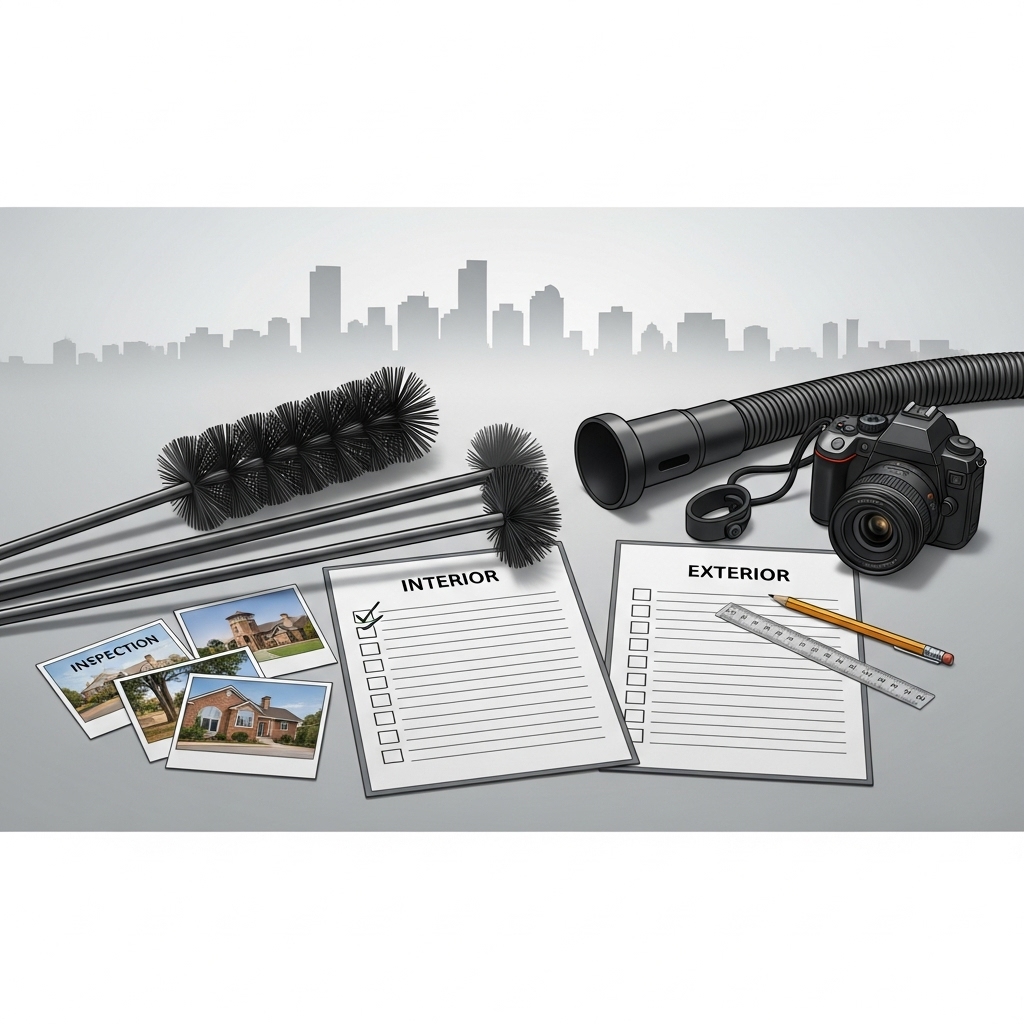
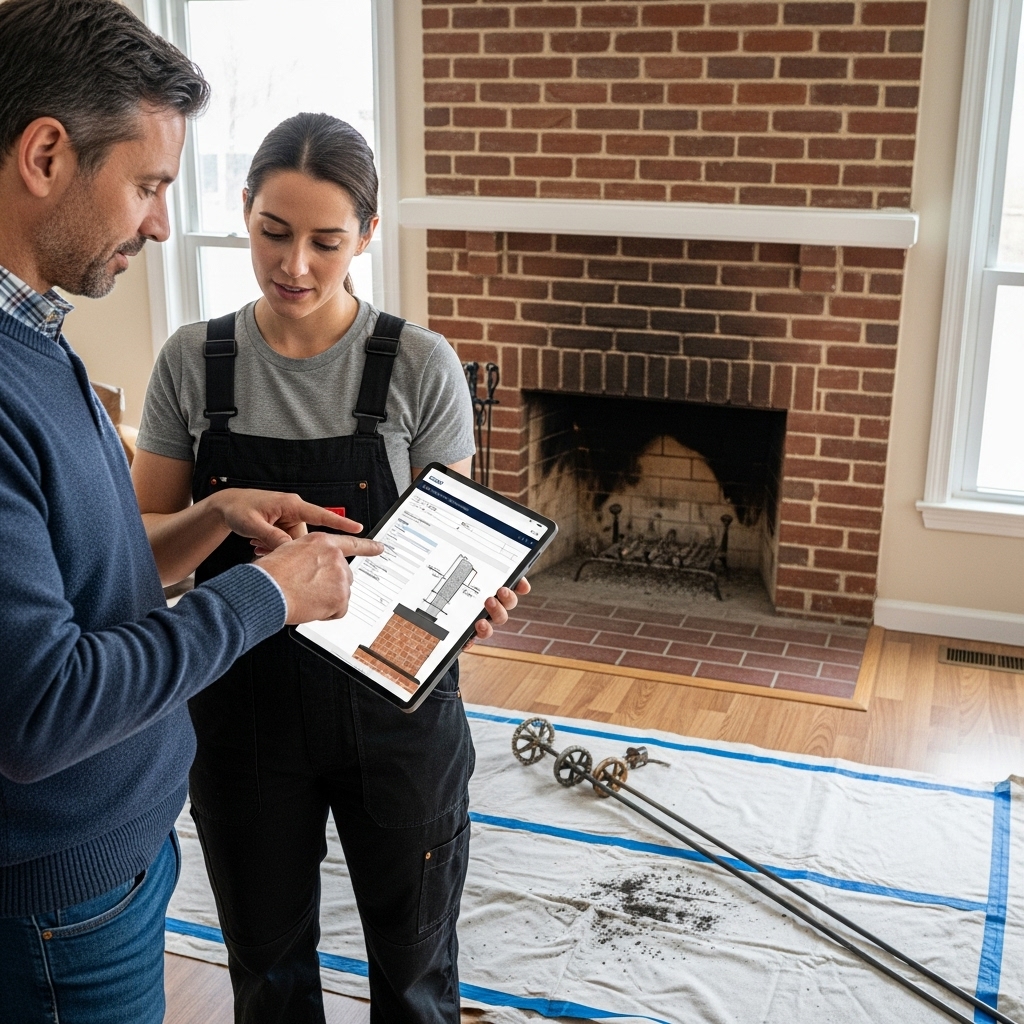
You should see a methodical approach: protection of your interior, careful brushing matched to your flue material, thoughtful inspection of components, and a clean wrap-up that leaves the living space as tidy as it was on arrival. You should also expect clear communication. A good technician explains what was found, why it matters, and how to keep the system performing well. Photos provide transparency and a helpful record for future reference.
If roof access isn’t safe on the scheduled day—wind, ice, or an unexpected storm—a reputable company will return to complete the exterior portion at the first safe opportunity. Safety for the crew and for your property is part of the service ethic.
Why documentation is part of safety
Documenting the condition of your system creates continuity from year to year. If a small concern is noted—say, minor crown wear or a damper that isn’t closing square—you have a timestamped reference that makes future changes easy to spot. Should you sell your home, that record supports disclosures and can streamline transactions. If you’re renovating, the inspection photos become a roadmap for contractors who need to understand existing conditions.
Denver details that deserve attention
Our spring winds can push smoke back down marginally drafting systems, which reveals itself as occasional odor in the firebox after gusty nights. Summer hail and sun can stress exterior metal. Winter brings temperature swings that freeze and thaw moisture in masonry. A technician who works here day in and day out recognizes these patterns and checks the usual suspects first, saving time and catching issues early.
Frequently asked questions
How often should Denver homeowners schedule inspections?
Annual inspections are a wise baseline for most households, with cleaning performed as needed. Our altitude, wind patterns, and seasonal swings make yearly checkups a practical safety habit.
Do gas fireplaces need regular attention?
They do. Gas units rely on intact, unobstructed venting, and components can age or become blocked by debris or nesting. Routine checks confirm safe operation.
Will a proper cleaning make my fires start easier?
Often, yes. Removing residues and ensuring a clear pathway helps the flue warm and draft reliably, which makes startups smoother and reduces smoke spillage.
What if the roof is icy on the service day?
Safety comes first. The interior portion can usually proceed, and the exterior inspection will be completed as soon as conditions allow.
Can wildlife really get into my chimney?
Without a well-fitted cap and screen, birds and small mammals love the shelter of a flue. Regular checks keep them out and prevent blockages that can affect safety.
Take the next step
Keeping your Denver home safe and comfortable through the burn season is simpler with a trusted local partner who respects your space and understands our climate. If you’re ready to book your next chimney cleaning, reach out today. We’ll find a convenient time, walk you through the process, and make sure your system is ready for safe, cozy fires all season long.