
In Denver, fireplaces and wood stoves are more than cozy additions; they are part of how many of us live, gather, and get through a few brisk spring evenings and the long spells of Rocky Mountain winter. When neighbors ask what shapes the overall investment and scope of a thorough chimney sweep in our city, I always begin with the local reality: elevation, dryness, and volatile weather patterns make maintenance different here than it is at sea level. Before we dive into the specific elements that influence how comprehensive your appointment might be, it helps to understand what a complete service looks like and why it matters. If you are simply exploring your options and want a quick place to start, bookmark this trusted resource on chimney cleaning so you can circle back once you have your questions sorted.
Denver’s rapidly shifting temperatures can put masonry and metal components through a daily cycle of expansion and contraction. That cycle, in turn, influences soot and creosote accumulation inside the flue, and it can also stress caps, crowns, and flashing. A well-executed sweep addresses both cleanliness and condition, because in our climate, the two are intertwined. The best way to think about it is this: the service you’re arranging is not just for appearance or the elimination of debris but for the safety and long-term health of the entire venting system.
What Shapes the Scope of a Chimney Cleaning in the Mile High City
Every home tells a story, and every chimney tells one too. In Denver, that story starts with altitude. Reduced oxygen and colder winter air affect combustion, draft, and condensation inside flues. Because of this, the level of effort and time a sweep allocates can vary depending on the fuel you burn, the style of appliance you operate, and the overall condition of the venting system. Wood-burning, pellet, and gas appliances each leave different residues, and each demands its own technique. A conscientious sweep will tailor brushes, rods, vacuums, and inspection tools to match your system’s design and the residue profile it produces.
Masonry construction versus factory-built systems also plays a role. Clay tile-lined, older brick chimneys in neighborhoods like Washington Park or Park Hill present different cleaning needs than newer insulated metal flues in Stapleton or Green Valley Ranch. Tall, older masonry stacks might have offsets, tight angles, or historical idiosyncrasies that require more nuanced tools and methods, whereas modern, straight-shot metal flues may allow for a quicker path to a pristine interior. Your sweep will assess these elements before starting, making sure the approach suits your system, not the other way around.
Residue Type and Burning Habits
In our dry climate, residents often switch fuels based on availability and convenience. If you primarily burn well-seasoned hardwoods, residue may be lighter and more powdery, which is typically easier to remove. If you occasionally burn less seasoned wood or use the fireplace as a primary heat source during cold snaps, you may see layers of glazed or sticky creosote that demand specialized techniques. Pellet stoves tend to produce finer ash and fly ash that migrate through venting differently, and gas logs can still generate byproducts, including moisture and minerals that settle inside the flue especially if the venting path is not ideally balanced for draft.
Burn duration and frequency matter as well. Weekend ambiance fires differ dramatically from daily use through December and January. If you use your fireplace to take the edge off those chilly mornings in the Highlands or to host long, cozy evenings in Capitol Hill, you are building a unique residue pattern that a sweep must address. The more routine the use, the more thorough the service becomes, not because the process itself changes drastically, but because there is simply more to remove and more opportunities to catch the subtle issues that come with a busy hearth.
Access, Roof Pitch, and Denver Weather
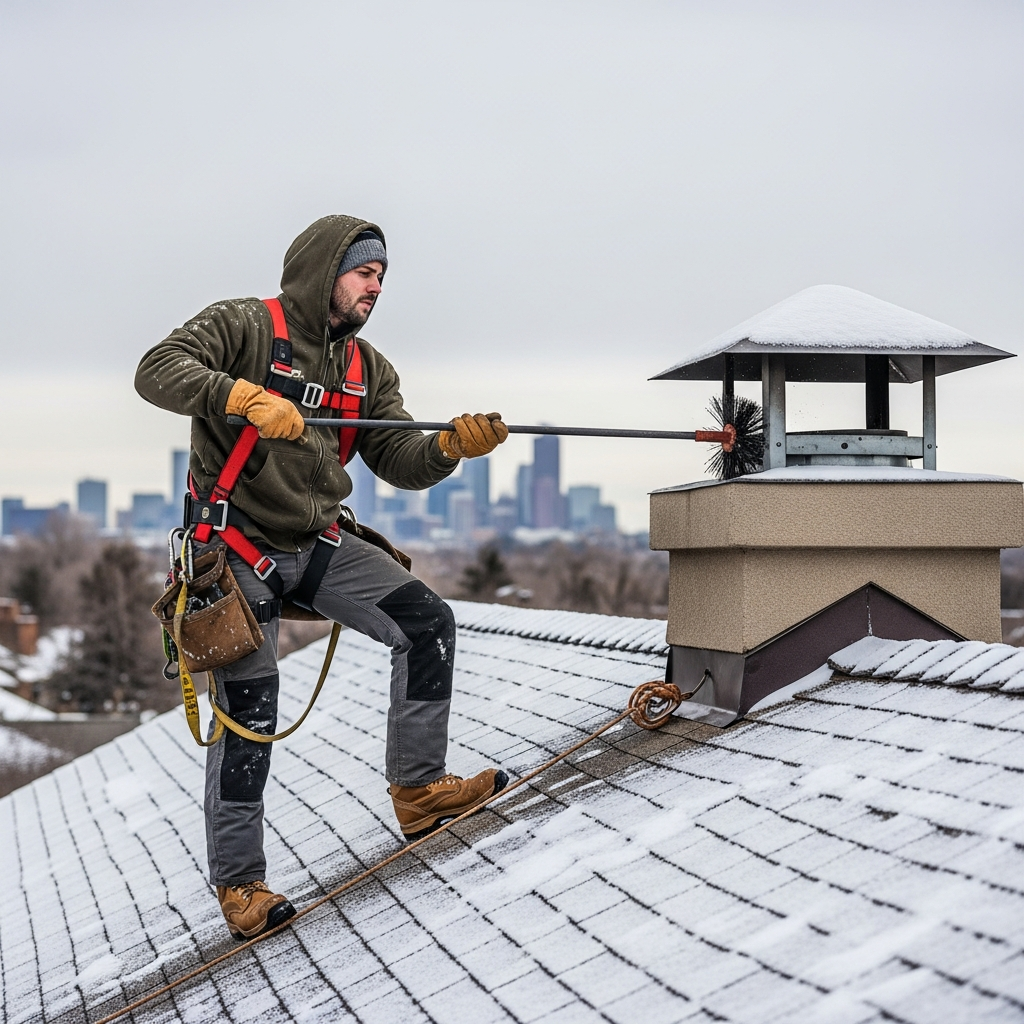
Chimneys do not exist in a vacuum; they sit on rooftops that face wind, snow, ice, and sudden sunshine. In Denver, storm systems can roll off the mountains quickly, and a roof that is easy to access one day may be slick and unsafe the next. The pitch of your roof, the location of the chimney stack, and the presence of nearby trees or solar arrays all affect the logistics of the appointment. Safety dictates the pace, and quality sweeps respect both OSHA guidelines and common-sense precautions. That means harnessing, stabilizing ladders, moving slowly around skylights, and taking extra care in winter when thaw-refreeze cycles turn shaded shingles into glass.
Multi-story buildings and townhomes introduce their own variables. Shared walls, parapets, and limited working room can mean careful planning and coordination with neighbors or property managers. None of these elements are barriers to a successful sweep; they simply inform how the service unfolds. A sweep who works Denver rooftops regularly will plan accordingly, staging tarps, containment, and HEPA filtration to protect your interior while making smart choices about exterior access.
What a Thorough Denver Chimney Cleaning Entails
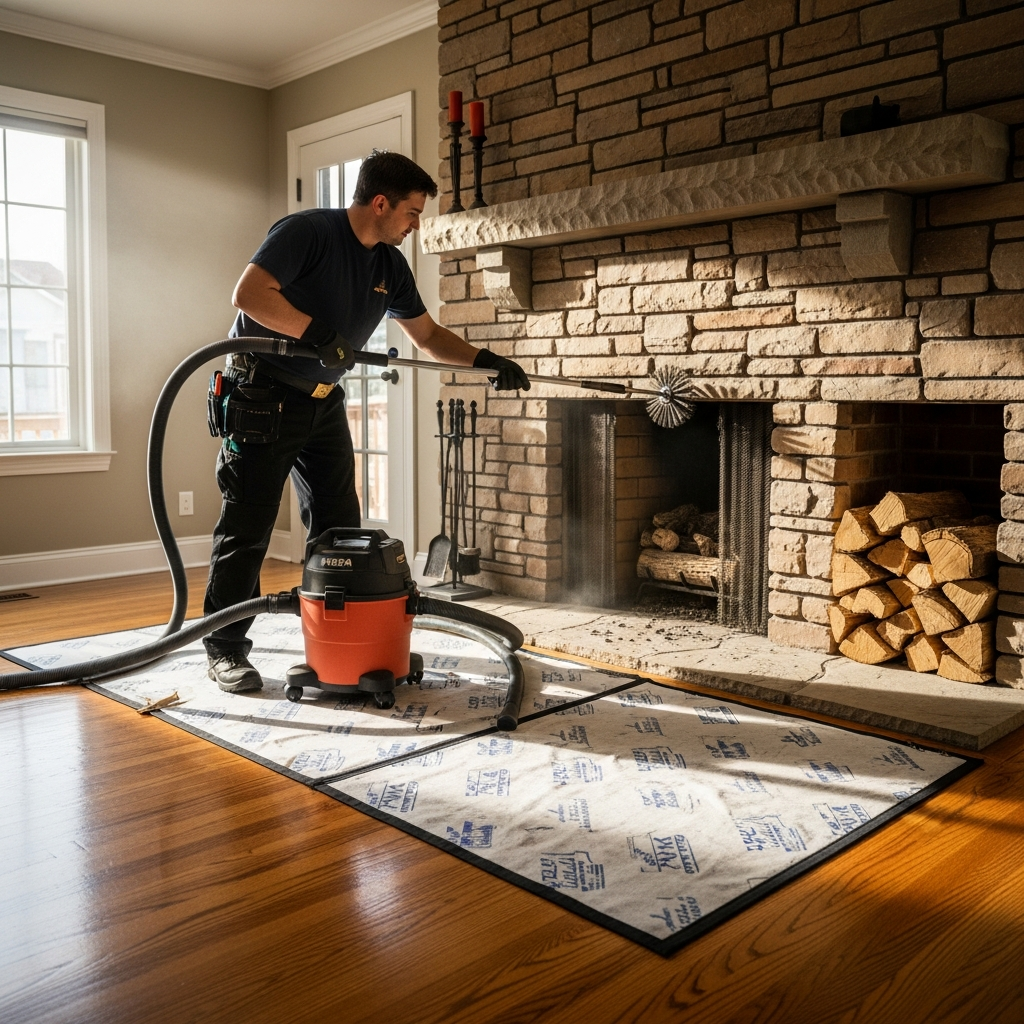
People often imagine chimney cleaning as a quick scrub, but in practice, it is a methodical process guided by safety and cleanliness. After a protective setup inside your living space—drop cloths, sealed barriers, and high-efficiency vacuums—the technician will brush and remove residue from the firebox, smoke chamber, smoke shelf, and flue. They will typically work from either the bottom up or the top down, depending on your system’s configuration and the type of residue present. The tools may range from traditional poly or steel brushes to rotary whips attached to flexible rods, each chosen to match the flue’s material and condition.
Inspection accompanies cleaning. In Denver, thermal stress is one of the leading contributors to small cracks in mortar joints, tile liners, and crowns. A trained sweep will look closely for signs of damaged flue tiles, missing mortar, gaps at liner joints, deteriorated brick faces, loose caps, and flashing that has pulled away under high winds. They will also evaluate smoke chamber transitions and look for evidence of past chimney fires, such as “alligatoring” or spalling on tiles. If a camera inspection is appropriate, it may be recommended to visualize the flue interior where the naked eye cannot.
Appliance Type and System Complexity
Open fireplaces behave differently than inserts, stoves, and direct-vent systems. An insert with a stainless liner may be relatively simple to brush end-to-end, while a free-standing stove venting into a masonry chimney with offsets can require more attention. Gas log sets, though sometimes seen as low-maintenance, still demand periodic checkups to ensure the vent path remains clear, the cap is intact, and no moisture is condensing where it shouldn’t. Complex systems like multi-flue stacks that serve a fireplace and a furnace or water heater call for careful identification so that each flue is cleaned and evaluated correctly without cross-contamination.
Denver homes often blend old and new, especially in revitalized neighborhoods where historic bungalows have been updated with modern heating appliances. A good sweep recognizes this mix and adapts. They will match their tools to clay, refractory, stainless, or aluminum liners and confirm that transitions—such as the connection between an insert and its liner—remain secure and gas-tight.
How Timing Influences the Experience
Seasonal timing shapes the ease of scheduling and the rhythm of the day. Late summer and early fall tend to be busier as homeowners prepare for the first cold front, while deep winter brings intermittent delays when roads are slick or rooftops unsafe. Spring is a smart time to book because your system has just completed the heavy-use season, and any soot or creosote can be removed before it has months to harden, dry, and cling. Summer works well for major repairs because masonry can cure in warmer, drier air, and your schedule is rarely constrained by the next snowstorm.
Even the timing within a single day can matter. Morning sun on an east-facing roof may help melt frost, while shade returns by late afternoon. Experienced sweeps read these microclimates the way skiers study aspects on a slope, using them to plan safe access and a smoother workflow. All of that forethought leads to cleaner results inside and out.
Mid-Appointment Deliverables and Communication
One hallmark of a quality service is clear, steady communication. Denver homeowners appreciate a straightforward briefing when the technician arrives, an explanation of what will be done, and check-ins if something unexpected appears. If, for example, a cap is missing a screen and wildlife has left nesting material inside, you should expect to hear about it before the next step proceeds. Mid-appointment updates help you understand what is being addressed and why the professional sequence matters. As you research providers or prepare questions for your appointment, it can help to review fundamentals of professional chimney cleaning so you know what a careful, step-by-step process entails.
Homeowners sometimes ask whether dense, glazed residue can be removed in a single visit. The honest answer is that it depends. In some cases, specialized mechanical cleaning or chemical assistance may be recommended to safely loosen heavy layers without damaging the flue. That recommendation is about safety and performance, and a reputable sweep will explain options in plain language and outline a practical path forward.
Home Features, Remodels, and Special Considerations
Remodeled spaces often introduce new constraints: tighter access to the fireplace because of built-in cabinetry, a new mantle that sits closer to the opening, or a decorative surround that needs extra protection. Sweeps account for these features during setup, using additional containment to ensure your living areas remain spotless. If you have updated flooring, rugs, or furniture in tight quarters, mention it during the initial walkthrough so the team can safeguard everything before work begins.
Older homes may have surprises baked into the walls, from abandoned flues to quirky offsets put in during a long-ago addition. A seasoned Denver sweep has seen these details, and they handle them with patience. Careful mapping of which appliance vents to which flue, plus labeling and documentation, ensures future maintenance remains organized and understandable.
Safety, Codes, and the Denver Context
Safety lies at the heart of this service. In Denver, building codes recognize that solid fuel appliances produce creosote, a highly combustible material that can ignite if allowed to build unchecked. Regular cleaning and inspection reduce that risk. Beyond fire safety, proper venting protects indoor air quality. A clear, intact flue encourages efficient draft, reducing the chance that smoke, carbon monoxide, or odors drift back into your living space. Proper caps and screens keep out wildlife and weather, and a secure crown and flashing help prevent moisture from sneaking into attics or wall cavities.
Local professionals keep up with national standards and apply them with local savvy. They are attentive to snow loads on caps, high winds that rattle chase covers on prefab units, and freeze-thaw cycles that erode mortar joints. Working knowledge of Denver’s neighborhoods, from Montbello to Sloan’s Lake, means they have a sense of how homes were built in different eras—and how those construction norms influence maintenance today.
What to Expect on Service Day
A well-run appointment begins with respect for your home. Expect protective runners to the work area, sealed containment around the firebox, and a vacuum set to capture fine particulates before they migrate. The technician will confirm appliance type and flue path, then proceed with brushing, vacuuming, and visual checks. If a camera is used, you may be invited to view footage so that findings are clear and transparent. Before departure, the sweep should summarize what was done, explain any concerns, and discuss practical maintenance intervals based on your usage and appliance type.
When the work wraps up, your hearth should be clean, your flue clear, and your questions answered. The aim is peace of mind—confidence that the system is safe and performing well, and that you have a reasonable plan for the seasons ahead. That plan often includes tips on burning dry wood, establishing good airflow at startup, and monitoring for smoke that behaves differently than usual.
Thinking Long-Term: Maintenance Rhythm in Denver
Make chimney care part of your household rhythm. In our region, a checkup after the heavy-use season and before the next one pays off. It keeps residues from baking into harder layers, catches minor issues while they are still small, and gives you time to address any exterior masonry needs while the weather is favorable. Along the way, keep an eye on your cap, crown, and flashing after major wind events or hailstorms. If you see soot staining on the exterior brick or smell persistent odors on hot days, those are signals to call a professional for a closer look.
Regular attention also helps document your system’s condition for insurance or real estate records. Maintenance logs, photos, and video clips can become part of the home’s story, giving future buyers confidence and giving you a clear record of improvements and repairs.
Common Misconceptions and What Really Matters
Two myths travel far in our area. The first is that gas fireplaces require no maintenance. While gas appliances generally burn cleaner than wood, their venting still needs to be clear, dry, and intact, and their caps must keep pests and moisture out. The second myth is that a fireplace that looks tidy on the hearth must be clean behind the scenes. In truth, the smoke chamber and flue hide the residues that count most. A clean-looking firebox can sit beneath a flue in need of serious attention. Trust the process and the trained eye that evaluates areas you cannot see from the living room.
What really matters is a combination of cleanliness, structural soundness, and safe operation. When those three goals align, you get a fireplace or stove that starts easily, drafts well, and brings warmth without worry.
Frequently Asked Questions
How often should a chimney be cleaned in Denver’s climate?
Frequency depends on how you use your fireplace or stove and the type of fuel you burn. A good rule of thumb is to have the system checked annually and cleaned whenever inspection shows accumulations or obstructions. If you burn regularly through winter, plan on a yearly appointment. If you use the fireplace only a few times each season, inspection may confirm that cleaning can be spaced out, but it is still wise to check in before heavy use resumes.
Does altitude change how a chimney performs?
Yes. At elevation, thinner air and colder outside temperatures change how draft behaves. Denver’s conditions can encourage condensation inside a flue, which contributes to residue formation and can accelerate wear. Professional cleaning and inspection account for those effects, optimizing performance for our local environment.
Are gas fireplaces maintenance-free?
No. Gas appliances burn cleaner than wood, but they still vent moisture and byproducts that can leave mineral deposits. Caps, screens, and terminations need to be intact, and the vent path should be confirmed clear. Regular checks ensure safe, efficient operation.
What signs suggest I should schedule sooner rather than later?
Watch for strong odors on warm days, visible soot falling into the firebox, slow or smoky startups, and evidence of pests at the cap. Any of these signs justify moving up your appointment so a professional can diagnose the cause and restore proper function.
Can a dirty chimney affect indoor air quality?
Absolutely. A flue that doesn’t draft well can allow smoke and fine particulates to enter living areas. Proper cleaning, along with confirming the integrity of the liner, cap, and smoke chamber, helps keep combustion byproducts out of the home and supports healthier air.
Is it okay to handle cleaning as a do-it-yourself project?
While handy homeowners can manage basic fireplace tidying, full-flue cleaning and inspection call for trained eyes, specialized tools, and proven containment methods. Professional service reduces risk, protects your home from soot migration, and identifies concerns that may not be visible without the right equipment.
What should I do to prepare for an appointment?
Clear the area around the hearth, remove delicate items from the mantle, and avoid using the fireplace for at least 24 hours beforehand so ash and embers are fully cool. If roof access is needed, ensure gates are unlocked and pets are secured. A brief walkthrough with the technician at the start sets the stage for a smooth, efficient visit.
When is the best season to schedule in Denver?
Spring is ideal after a busy winter because residues haven’t had months to harden, and summer often works well for repairs. If you prefer fall, book early to avoid the pre-winter rush. Whatever the season, make sure the system is evaluated before heavy use begins.
Ready to Schedule
If you are looking to protect your home, enjoy easier startups, and settle in by the fire with confidence, now is a smart time to act. Reach out to a trusted local team, ask questions, and set a date that works for you. When you are ready to take the next step, schedule professional care through this convenient link for Denver chimney cleaning, and enjoy the season with a hearth that’s clean, safe, and ready to perform.