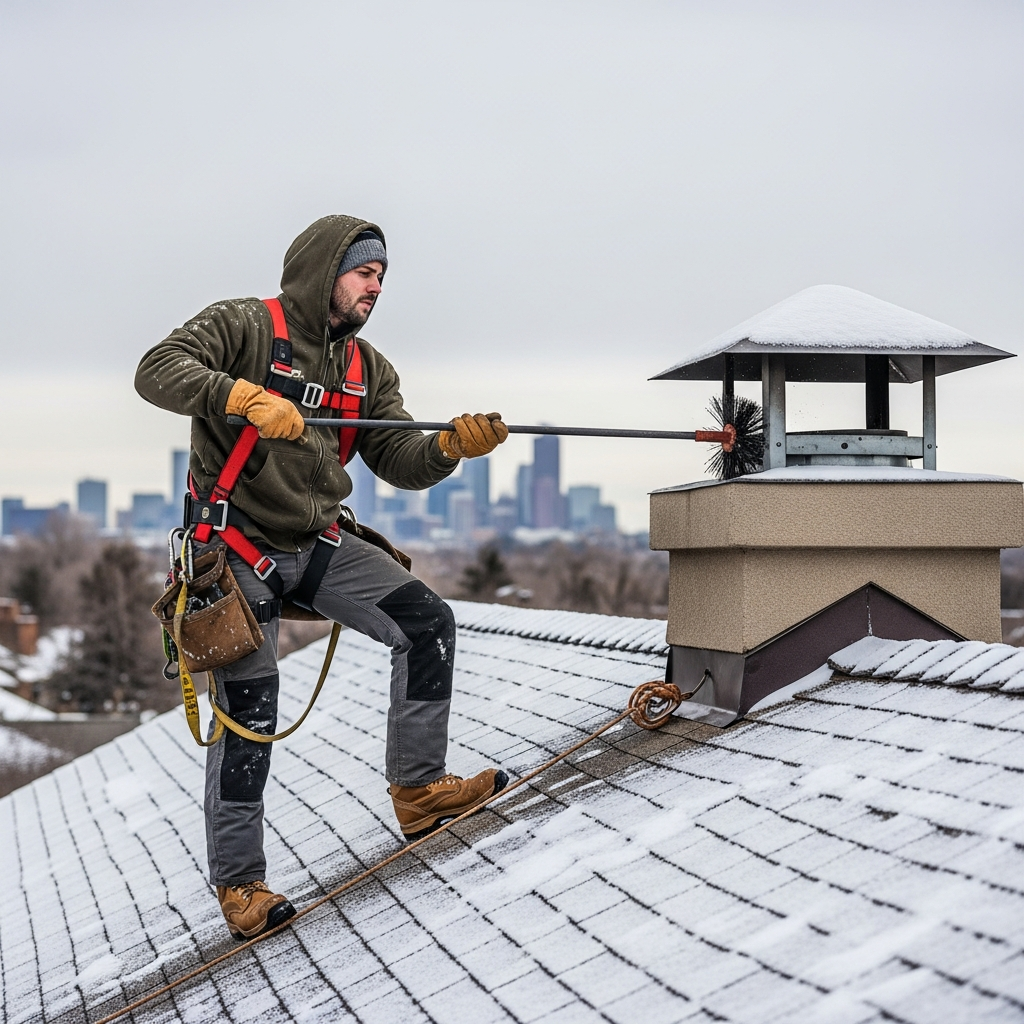

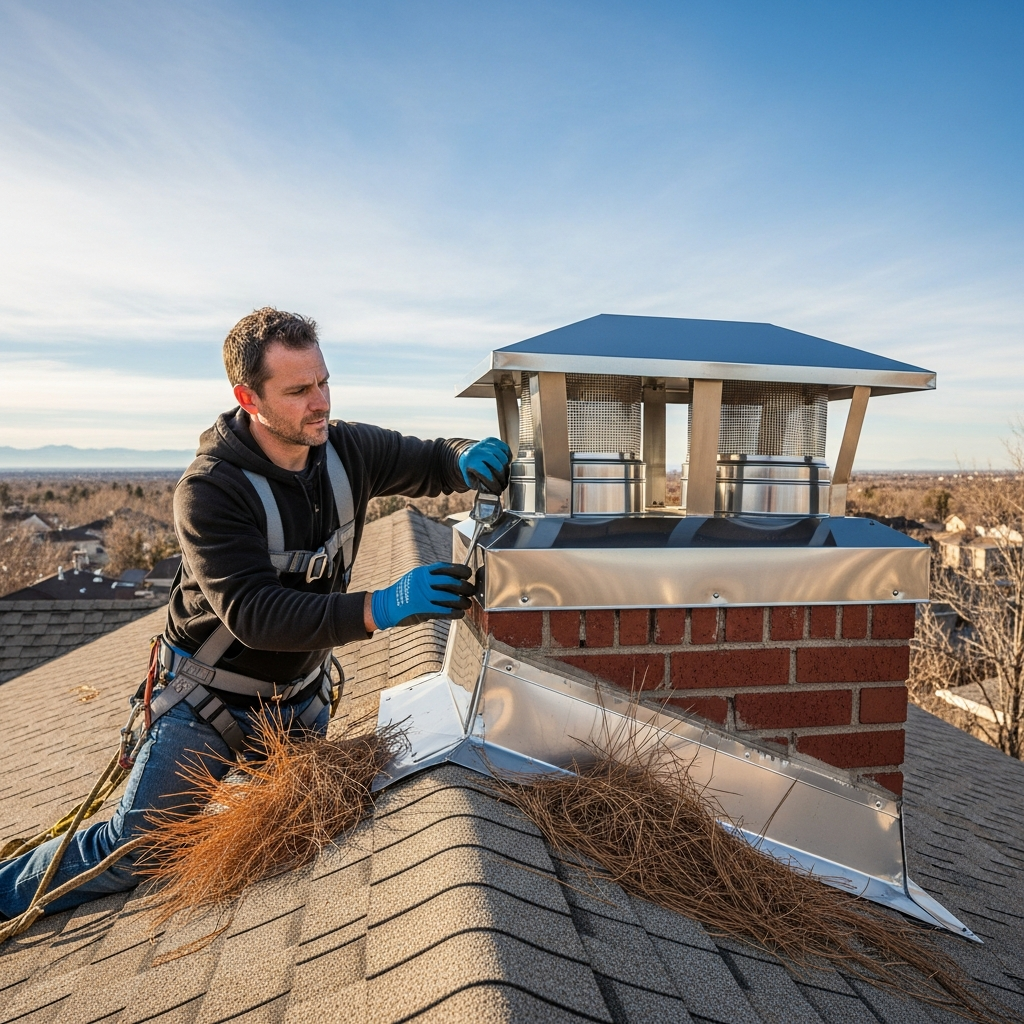
Ask a dozen Denver homeowners how often they schedule chimney cleaning, and you will hear a range of answers rooted in different homes, fuels, and habits. That variety makes sense. Our elevation, our dry but changeable climate, and the mix of heritage masonry and modern factory-built systems around the city mean there is no one-size-fits-all calendar. Still, there are reliable patterns that help you plan. If you are starting to map out your year and want a dependable reference for best practices, consider bookmarking this local guide to chimney cleaning so you can return to it as you set your maintenance rhythm.
The frequency question is really a performance and safety question. Cleaning keeps residues in check, preserves draft, and allows a trained eye to catch developing issues early. In our region, a yearly checkup is the baseline for most households that use their fireplaces or stoves during the heating season. From there, actual cleaning intervals vary based on how you burn, what you burn, and how your flue and appliance respond to Denver’s seasonal swings.
Start with an Honest Look at Usage
Think about how your household uses fire. If you light weekend ambiance fires through the colder months, your chimney experiences a different workload than it would in a home that burns daily from the first October chill to spring thaw. Daily use builds layers faster, and the residues themselves can harden over time, especially if the flue cools quickly in single-digit weather. If your fireplace is a focal point for gatherings, the cumulative effect of back-to-back fires matters too. Frequent startup and cooldown cycles can influence how byproducts condense, particularly if fires are run with the damper too low or if the wood is not fully seasoned.
Pellet stoves and inserts add their own twist. Pellet fuel burns efficiently, but fines and ash still travel the vent. Regular attention keeps that pathway clear and the appliance responsive. Gas fireplaces, though cleaner, benefit from periodic checks to confirm that terminations remain unobstructed and that moisture is not collecting where cold air and warm exhaust meet.
Altitude and Weather: How Denver’s Climate Shapes the Calendar
At 5,280 feet, combustion behaves differently than it does at sea level. The thinner air can change draft characteristics, and rapid temperature drops can encourage condensation inside flues. That condensation can invite creosote formation in wood-burning systems, especially when fires are started with damp kindling or if the damper is closed too early. Winter wind and snow test caps and screening, and spring brings gusts that carry debris. Fall’s busy season can leave many households scheduling at the same time, so planning ahead helps avoid long waits as the first cold fronts roll through.
Because of these factors, many Denver homeowners schedule inspections annually in late spring or early summer. That timing allows residues to be addressed while they are relatively fresh and catches any cold-weather wear on crowns, caps, and flashing. If heavy use is the norm, cleaning typically follows that inspection without delay. If use is light, inspection results may suggest that cleaning can wait, but the checkup still confirms that the system is safe and ready when you do strike the next match.
Fuel and Firewood Choices
Wood that has seasoned for at least a year—drier in our climate—burns hotter and cleaner, so it tends to leave less stubborn residue. Softer, green, or damp wood smolders, cools the flue, and lays down layers that are more challenging to remove. Even with well-seasoned hardwoods, frequent use in deep winter builds up a film that should be addressed before it thickens and hardens into a glossy glaze. Pellet appliances produce less creosote but still require periodic vent cleaning, and gas systems benefit from checks that confirm the termination is clear and that no condensation or corrosion is developing.
If you split your own firewood, consider how you stack and season it. Sun, airflow, and time are your allies. Keep wood elevated and covered on top but open on the sides. As a rule of thumb, the better your fuel, the easier your maintenance, and the more reliable your draft. If you buy wood, ask suppliers about species and moisture content; then store it with care to preserve the quality you paid for.
Appliance Type and System Design
An open hearth produces a different byproduct profile than a tightly sealed stove or insert. Inserts and stoves often heat more efficiently and vent through stainless liners. Cleaning intervals for these systems are tied closely to how often they run and at what settings. Running a stove low for long periods can encourage more accumulation than shorter, hotter burns. Open fireplaces can build residue in the smoke chamber and on the smoke shelf, areas that require careful attention during cleaning.
Direct-vent gas systems have their own rhythms. Even though they burn cleaner, their terminations must remain unobstructed, and wildlife screens need to be intact. For all systems, a camera inspection every so often provides a fuller picture of conditions deeper in the flue.
Seasonal Rhythm That Works for Denver
A practical schedule many homeowners follow looks like this: have the system inspected in late spring after heavy use, clean it then if needed, and address any exterior masonry or cap work during summer’s stable weather. If you prefer to align service with the school calendar or holiday planning, book early fall, but try not to wait for the first freeze. Your future self will thank you when the first snowflake arrives and your fireplace is already cleared for takeoff.
For folks who love winter fires and burn frequently, consider a mid-season check. If your startup behavior changes—if smoke hangs longer than usual or if you smell stronger odors on warmer days—a quick look by a professional can determine whether a touch-up cleaning is warranted before the season ends.
Reading the Signs Between Appointments
Your chimney speaks, quietly, between service visits. Pay attention to unusual smoke behavior at startup, fluttering at the cap in high winds, or new noises that suggest wildlife activity. Look for soot granules in the firebox after windy days, and note any staining on the exterior masonry. Strong, campfire-like odors on hot afternoons can indicate buildup inside the flue. These small observations inform when to accelerate your schedule, even if the calendar says your next check is weeks away.
Remember that Denver’s gusty spring and summer storms can carry leaves and debris that settle at the termination. A cap with a proper screen is your first defense, but even good screens can clog if they collect material during a particularly blustery stretch. If smoke behavior changes suddenly, it is wise to investigate rather than wait.
What a Professional Cleaning and Inspection Entail
A qualified technician protects your home with floor runners and containment, sets up a high-efficiency vacuum, and methodically brushes the firebox, smoke chamber, and flue. They check the cap, crown, and flashing, look for cracks or gaps at tile joints or liner connections, and ensure that the transition from appliance to vent is secure. In Denver, technicians pay extra attention to evidence of freeze-thaw stress and to wind-related wear at the termination. If warranted, they conduct a camera inspection to see sections of the flue that are otherwise hidden.
By the time the appointment ends, you should have a clean system or a clear confirmation that cleaning was not needed this time, plus documentation of the chimney’s condition and practical guidance for your next appointment. Many homeowners appreciate a few pointers on fuel and firing habits, which can stretch the time between cleanings without compromising safety.
Mid-Guide Checkpoint: Build Your Plan
If you like to plan ahead, take a moment to review what a well-run professional chimney cleaning involves, then sketch your ideal schedule. Do you burn every weekend? Mark your calendar for a late spring checkup and pencil in a mid-winter review if your holiday season is especially fire-filled. Do you use gas most of the time with an occasional wood fire? Set a yearly inspection and be ready to adjust if you notice changes.
Flexibility is key. Weather, family routines, and home projects shift. A responsive maintenance plan adapts with them without letting too much time pass between professional eyes on the system.
Myths That Confuse Scheduling
One myth says that if you rarely burn, you can skip maintenance indefinitely. In reality, even light-use systems benefit from periodic checks. Animals explore warm, sheltered spaces, and caps can loosen or corrode. Another myth claims that gas appliances never need attention. While they are cleaner, their venting still needs to be clear and intact, and safety devices should be verified. Finally, some believe that a tidy hearth means a tidy flue. The important residues hide out of sight, higher up in the system.
Good scheduling respects these truths. It balances practical convenience with the realities of combustion and airflow at altitude. With an annual check and attentive listening to your system’s cues, you will be well positioned to enjoy steady, worry-free fires.
Frequently Asked Questions
Is once a year enough for most Denver homes?
For many households that burn through the colder months, yes. An annual inspection paired with cleaning as needed keeps residues in check and catches small issues early. Heavy users may benefit from a mid-season look, while very light users may find that yearly inspection confirms cleaning is not required every time.
How do I know if I should schedule sooner?
New or stronger odors, smoke that lingers at startup, visible debris in the firebox, or known issues at the cap all point to a sooner-than-planned appointment. Trust your senses; when something changes, it is worth investigating.
What about gas fireplaces—do they follow the same schedule?
Gas systems usually require less frequent cleaning but still need periodic inspection. Terminations must remain open, and components should be checked for wear or condensation-related issues. A yearly look keeps you ahead of surprises.
Does altitude influence how often I should clean?
Altitude affects draft and can encourage condensation that contributes to residue formation. Denver’s conditions, plus our rapid temperature swings, suggest sticking with annual inspections and adjusting cleaning frequency based on actual findings and your usage.
Can I stretch intervals with better firewood?
Quality, well-seasoned wood helps. Hot, efficient burns produce fewer troublesome byproducts. Good fuel can reduce how quickly residues build up, but it does not eliminate the need for periodic professional attention.
What time of year is best to book?
Late spring and summer offer flexibility and favorable weather for any exterior work that arises. If fall fits your schedule, plan ahead to avoid the rush. Winter appointments remain possible, guided by safe roof access.
What should I do between cleanings?
Watch your system’s behavior, keep wood dry and well-seasoned, and glance at the cap after big wind events. If anything looks or smells off, reach out before your next scheduled visit.
Ready for Peace of Mind
If you are ready to build a smart, sustainable maintenance rhythm, partner with a local team that understands Denver’s climate and housing mix. Set your baseline, stay observant, and schedule with confidence. When it is time to act, book trusted Denver chimney cleaning and head into the season with a fireplace or stove that is clean, safe, and ready whenever the mountains send a chill across the plains.