When you live at elevation, you learn to trust specialists who understand what the thinner air and dramatic temperature swings can do to a home’s systems. That is especially true of your chimney, where combustion meets brick, mortar, stainless steel, and wind. Certified chimney cleaning experts in Denver bring both formal training and local experience to the job, blending national standards with a grounded knowledge of our neighborhoods, our weather, and the varieties of fireplaces and stoves common along the Front Range. If you are beginning your search and want a reliable reference point, keep this resource on chimney cleaning at hand as you compare providers and prepare questions.
Certification matters because it represents a commitment to education, safety, and ethical service. Reputable professionals invest in coursework, testing, and continuing education to stay current with evolving codes, new materials, and best practices. In a field where small oversights can have outsized consequences, that learning culture is not optional—it is the backbone of quality.
Why Certification Sets the Standard in Denver
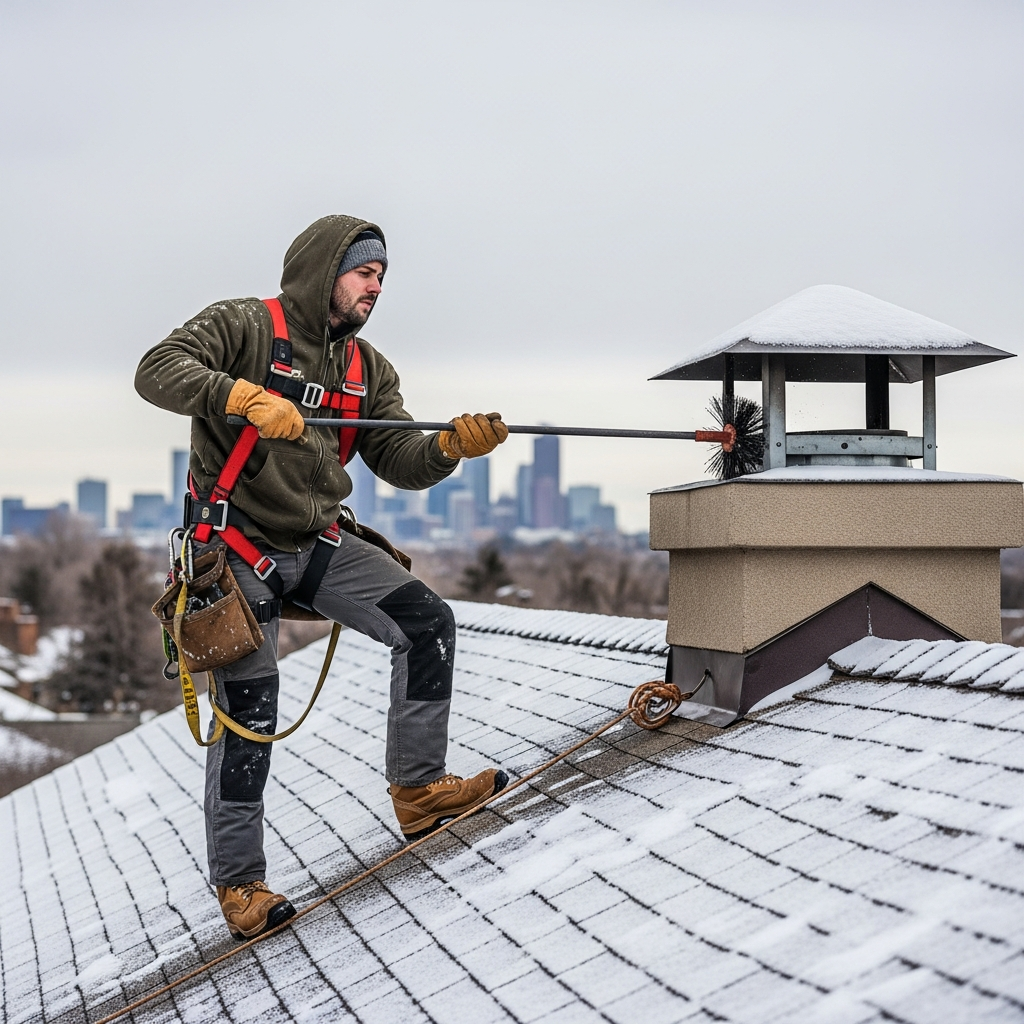
Denver’s altitude changes how appliances draft, how moisture condenses in flues, and how quickly freeze-thaw cycles can erode mortar and crowns. Certified technicians study these dynamics in depth. They learn to read residue patterns, identify warning signs in clay tile liners and stainless systems, and apply the right tools for the job—from rotary whips and flexible rods to high-efficiency vacuums and containment methods that protect your living space. That training is then refined in the field on our region’s specific challenges: wind-driven snow, sudden spring storms, and summer hail that tests caps and chase covers.
Beyond technical knowledge, certified experts are taught to document their work thoroughly, communicate clearly with homeowners, and recommend practical solutions. That means you get a step-by-step explanation before the job begins, real-time updates if an unexpected issue arises, and a plain-language summary when the appointment wraps up. This approach ensures that every action taken is transparent and that you feel confident about both the state of your system and the path forward.
The Anatomy of a Professional Chimney Cleaning
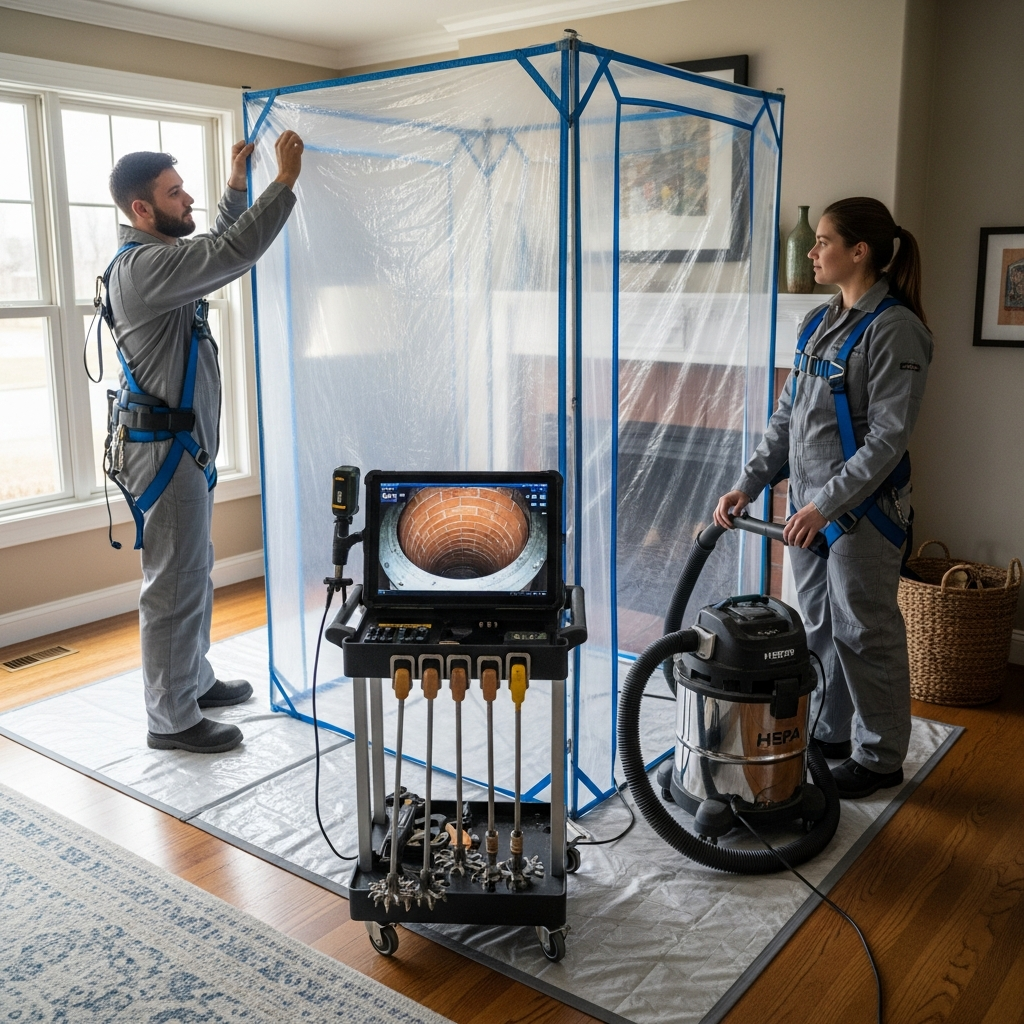
A proper sweep goes far beyond brushing the flue. Certified pros start with preparation: they protect flooring, mantles, and furnishings, isolate the work area, and set up HEPA filtration to manage fine particulates. They verify appliance type and venting configuration, then choose tools that match the flue’s material and geometry. For masonry chimneys with clay tiles, the brush profile must fit the tile dimensions to ensure a complete cleaning without causing damage. For stainless liners serving inserts or stoves, rotary cleaning can provide consistent contact and effective removal of residue.
Inspection is integrated throughout. The firebox, smoke chamber, smoke shelf, flue, cap, and crown are evaluated, as are any transitions from appliance to liner. In Denver, close attention is paid to cracks from thermal stress, gaps at tile joints, corrosion on metal components, and the integrity of flashing where the chimney meets the roof. If the situation warrants, camera inspection is recommended to visualize hidden sections of the flue interior. By the time the team is finished, the goal is to have a clean, safe, and well-documented system—not just a tidy hearth.
Local Conditions Demand Local Expertise
Our weather is as lively as our neighborhoods, and that liveliness puts chimneys through their paces. Certified Denver sweeps know, for example, that even gas fireplaces—often assumed to be maintenance-free—produce moisture that can condense and leave mineral deposits, especially in colder months. They also know the signs of wildlife intrusion common to specific areas, from nesting materials in caps to blocked terminations that affect draft. With that contextual awareness, they tailor each cleaning and inspection to how your home actually functions through the seasons.
Neighborhood history matters too. A 1920s brick bungalow in Congress Park tells a different story than a newer build in Lowry. Older chimneys can have offsets and tile configurations that invite careful tool selection and slower, more methodical brushing. Newer systems may lean on insulated metal liners and factory-built components that require different handling. Certified experts move confidently across those timelines, adapting techniques to protect both heritage construction and modern efficiency.
Communication You Can Rely On
One of the quiet superpowers of a certified professional is communication. You should expect a walkthrough before work begins, with a chance to point out any concerns you have noticed—such as odors on warm days, smoke roll-back at startup, or visible debris. As the job unfolds, you should also expect clear explanations for any findings, especially if they influence next steps. If a cap is missing a screen, if glazing is present in the smoke chamber, or if a flue shows signs of previous overheating, the technician will take time to explain what each observation means in practical, safety-first terms.
Documentation closes the loop. Photographs, notes, and where appropriate, video footage from a camera inspection, become part of your home’s maintenance record. That record helps you plan future service and supports transparency during real estate transactions or insurance claims. In Denver’s dynamic housing market, a well-kept chimney file is a small investment in peace of mind.
Tools, Techniques, and Cleanliness
Quality work shows in the details. Certified sweeps protect interior spaces with careful containment and use HEPA filtration to capture fine particulates. Brush selection matches the flue, and rotary systems are applied with finesse to avoid aggressive abrasion. Attention to detail extends to the smoke chamber, where parging and geometry can hide stubborn residue. At the termination, the cap and crown are inspected and cleared, and flashing is checked for separation after high-wind events. Each choice adds up to a cleaning that is not only effective but also respectful of your home.
When specialized situations arise—such as heavy, glazed deposits—certified pros proceed conservatively and transparently. They will explain when additional methods are appropriate and why a staged approach may be safer for your liner and surrounding materials than a single, forceful attempt. This mindset prioritizes system longevity and homeowner safety over shortcuts.
Scheduling with a Seasonal Mindset
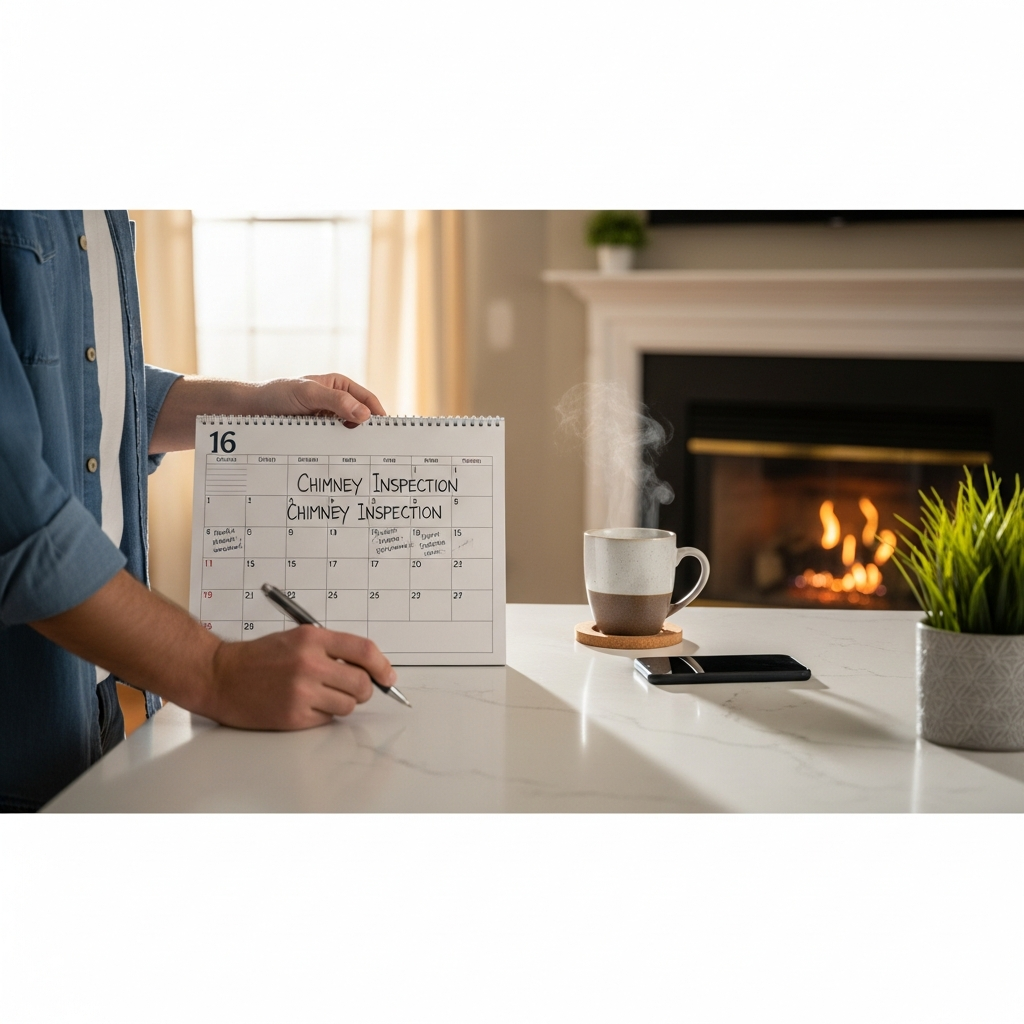
Denver’s calendar rewards planning. Spring appointments capture residues while they are still relatively fresh after winter use, and summer is prime time for exterior masonry work, cap upgrades, and crown repairs. If you prefer fall, booking early keeps you ahead of the first cold snap. During winter, certified teams balance safety with responsiveness, navigating roof conditions that can change by the hour. No matter the season, a reliable professional will remain flexible while staying grounded in safety protocols that protect their crew and your property.
For homes that see heavy fireplace use, annual service anchors a straightforward maintenance rhythm. For light-use households, inspection can confirm whether a full sweep is needed that year. Gas appliances should still be checked periodically to confirm clear venting and intact terminations, especially in homes where roof debris or wildlife are common.
What to Expect on the Day of Service
Expect a punctual arrival, protective setup, and a short briefing about the plan for the day. The technician will confirm appliance type, flue configuration, and access points. After cleaning and inspection, they will review findings, answer questions, and offer guidance on burning practices or seasonal habits that improve performance. You should end the visit with a cleaner system, straightforward documentation, and a realistic plan for the year ahead.
Perhaps most important, you should feel that your questions were welcomed and answered in a way that makes sense for your household. The best certified experts are teachers at heart; they want you to understand how your system works and how to keep it safe and efficient.
Midway Resources as You Research
If you are evaluating providers right now, take a few minutes to review practical insights about professional chimney cleaning. Knowing the steps involved—from containment to brushing to inspection—helps you ask focused questions and recognize the hallmarks of quality when you see them. A bit of homework today makes for a smoother appointment and a better outcome.
With that foundation, you will be prepared to discuss the specifics of your home: the age and type of chimney, the fuel you use, how often you burn, and any changes you have noticed since last season. Those details help a certified technician tailor the service to your exact situation.
Myths, Misconceptions, and the Denver Reality
A persistent myth is that a tidy firebox equals a clean system. The reality is that the smoke chamber and flue can hold the residues that matter most, out of sight but not out of mind. Another misconception is that gas installations are “set-and-forget.” In truth, terminations can still accumulate debris, and moisture can collect where cold meets warm, especially in shoulder seasons. Certified experts counter these myths with inspection, education, and a measured approach to maintenance.
Denver’s dry climate is also deceptive. Dryness helps wood season quickly, but it does not reduce the need for regular service. In fact, rapid temperature swings can stress materials and influence draft patterns in ways that favor periodic checkups. Paying attention to how your fireplace behaves—especially during startup—offers clues about the state of the system that a pro can confirm and address.
Frequently Asked Questions
How do I know if a chimney technician is truly certified?
Ask directly and expect a clear answer, along with proof of current credentials. Certified professionals are proud of the work they put into training and are happy to share details. You can also look for documentation in their reports and on their service vehicles or uniforms.
What should a professional cleaning include?
Expect protective setup, thorough brushing and vacuuming of the firebox, smoke chamber, and flue, a check of the cap and crown, and a review of flashing and other exterior elements. Inspection—visual and, when appropriate, camera-based—should be part of the service.
Do gas fireplaces need regular service?
Yes. Gas appliances burn cleaner than wood but still produce byproducts, and their venting must remain clear and intact. Regular checkups confirm safe operation and help prevent performance issues.
When is the best time to schedule in Denver?
Spring and summer offer scheduling flexibility and allow for repairs in favorable weather. Fall is busy as homeowners prepare for colder months, so book early if you prefer that window. Winter appointments are still possible, with safety guiding roof access.
What signs suggest I should schedule soon?
Odors on warm days, smoke that lingers or rolls back, visible debris in the firebox, and evidence of wildlife at the cap are all cues to call a professional for an evaluation and cleaning.
What should I do before the appointment?
Let the firebox cool for at least a full day, clear the area around the hearth, and remove fragile items from the mantle. Provide roof access as needed and share any observations you have made since last season.
Can I clean the chimney myself?
Basic tidying is fine, but full-system cleaning and inspection require training, specialized tools, and proven containment to protect your home. Certified professionals bring that precision and experience to every appointment.
Take the Next Step
When you are ready to put your hearth in the hands of a trusted pro, schedule with a team that blends formal training and local know-how. You will gain a safer, smoother-burning system and the confidence that comes with clear documentation. Start your journey by booking trusted Denver chimney cleaning today, and enjoy the season with warmth, safety, and peace of mind.