
Denver has always been a city that balances its love of the outdoors with the practicalities of living at elevation, and nowhere is that more evident than in the way we heat our homes. Wood-burning fireplaces and stoves remain a beloved feature across the metro area, offering not just warmth, but a ritual that grounds long winter nights. In recent years, I have noticed a meaningful shift in how homeowners approach maintenance and air quality. Early-season scheduling, smarter burning habits, and strategic chimney cleaning are now woven into the winter plan for many households, and the difference shows up both in individual living rooms and in neighborhood air.
From reactive to proactive: how Denver’s habits are changing
Not long ago, chimney service calls spiked after the first real cold snap, when smokier fireplaces and stubborn startups pushed maintenance to the top of the to-do list. Today, more homeowners book in the fall, before issues surface. This trend mirrors the broader Denver mindset—anticipate the storm, then go enjoy the powder day. Proactive care means fewer mid-season emergencies and cleaner burns throughout the winter. It also reflects the growing awareness that air quality is not just a citywide metric; it starts with the quality of the fire you light at home.
Air quality and the mile-high context
Inversions along the Front Range can trap pollutants close to the ground, especially on windless nights. When hundreds of small sources add up—cars idling, fireplaces smoldering, even backyard fire pits—the result is noticeable haze and elevated particulate levels. Homeowners are responding in practical ways: burning only seasoned wood, avoiding smoldering fires, and ensuring flues are clean and drafting well. These steps do not require giving up the hearth; they simply align the romance of a fire with responsible, efficient combustion.
The performance link between clean flues and cleaner neighborhoods
Clean chimneys matter at two scales. Inside the home, a clear flue makes fires easier to start and keep hot, which reduces smoke and the formation of creosote. Outside, those hotter, cleaner fires mean fewer particulates released into the neighborhood air. When you are careful about what and how you burn—and you keep the flue free of obstruction—you help improve air on your block. Over a season, across thousands of households, those choices add up.
Technology and better inspections
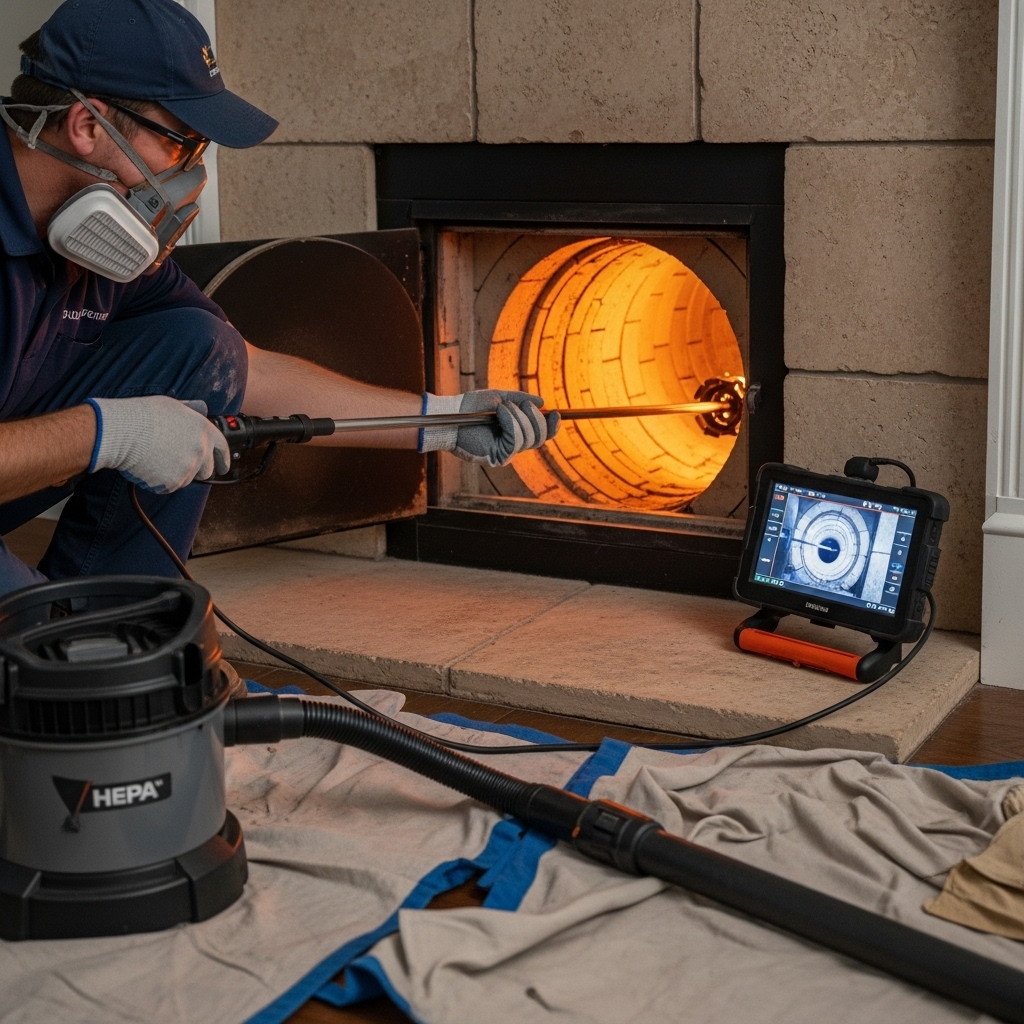
Another trend reshaping maintenance is the use of improved inspection tools. Where once we relied on mirrors and flashlights, we now supplement with camera systems that provide clear views of the flue, smoke chamber, and transitions. The images help document conditions, catch early signs of tile cracking or mortar gaps, and guide more targeted repairs. For homeowners, visual evidence builds confidence and makes it easier to plan for the long term. When you see the before-and-after of a thorough cleaning, the value is unmistakable.
Choosing fuels with intention
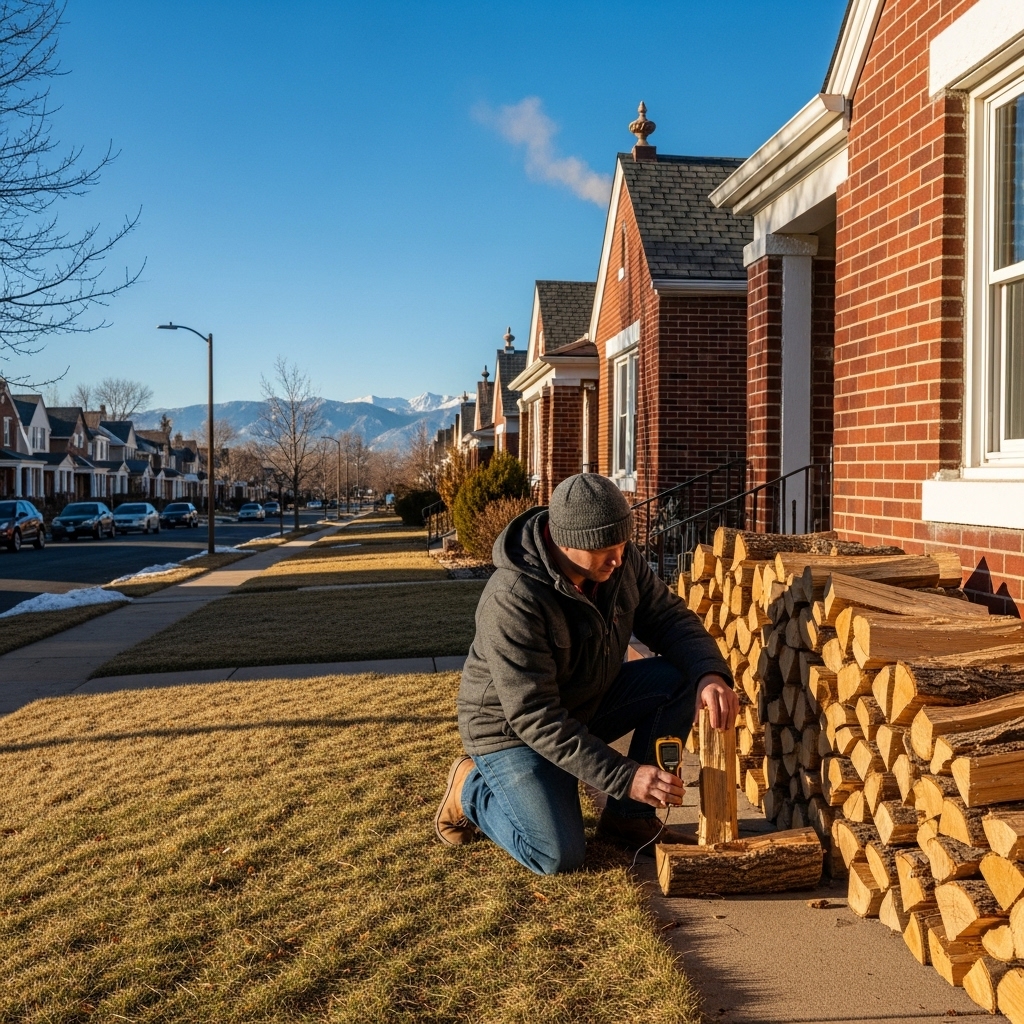
Denverites have become pickier about firewood, and that is a good thing. Moisture meters are inexpensive and remove the guesswork from seasoning. Aim for wood that registers around twenty percent moisture or less. Stack it off the ground with good airflow and cover the top to shed precipitation while leaving the sides open. These practices are commonplace now, and they dovetail with cleaner burning. The payoff is more reliable heat, less smoke, and slower creosote accumulation.
Middle-of-season check-ins
An emerging habit I encourage is the midwinter check-in. After the first couple of months of regular use, it becomes clear how your system is behaving. If glass is hazing faster than expected, if startup takes too long, or if a faint odor lingers the next day, it is a sign to reassess. Sometimes the fix is as simple as adjusting how you stack your kindling; other times, a touch-up cleaning resets performance. Pairing a smart routine with timely professional chimney cleaning is the most reliable way to keep the hearth running smoothly all season.
Weatherproofing the top of the system
Trends are not limited to the firebox or flue. Homeowners are paying more attention to the top of the stack: caps, crowns, and flashing. Denver’s freeze-thaw cycles are tough on masonry. Small cracks in the crown can invite moisture that, when frozen, expands and accelerates deterioration. An intact cap keeps out animals and deflects wind-driven downdrafts, improving performance and keeping debris out. During cleaning, we assess these components so you can correct small issues before they compound into leaks or staining.
Open-concept living and pressure balance
Renovations that update older homes with open layouts and tight windows have been great for energy efficiency, but they have changed how fireplaces behave. With less infiltration, exhaust fans in kitchens and baths can create negative pressure that competes with the chimney. After cleaning restores the physical pathway, simple operational tweaks—like cracking a nearby window during startup or installing a make-up air solution—often make all the difference. These are the sorts of details that a local technician can help dial in during a visit.
Community awareness and fireplace etiquette
There is a growing sense of fireplace etiquette in Denver. On stagnant nights when air quality alerts are in effect, many homeowners choose to delay recreational fires or run them lean and hot for shorter periods. When fires are necessary for heat, the emphasis is on cleaner starts, seasoned fuel, and shutting down the burn early rather than letting logs smolder for hours. This awareness is not about policing neighbors; it is about understanding how small decisions, multiplied across the city, shape the air we all breathe.
Documentation and long-term stewardship
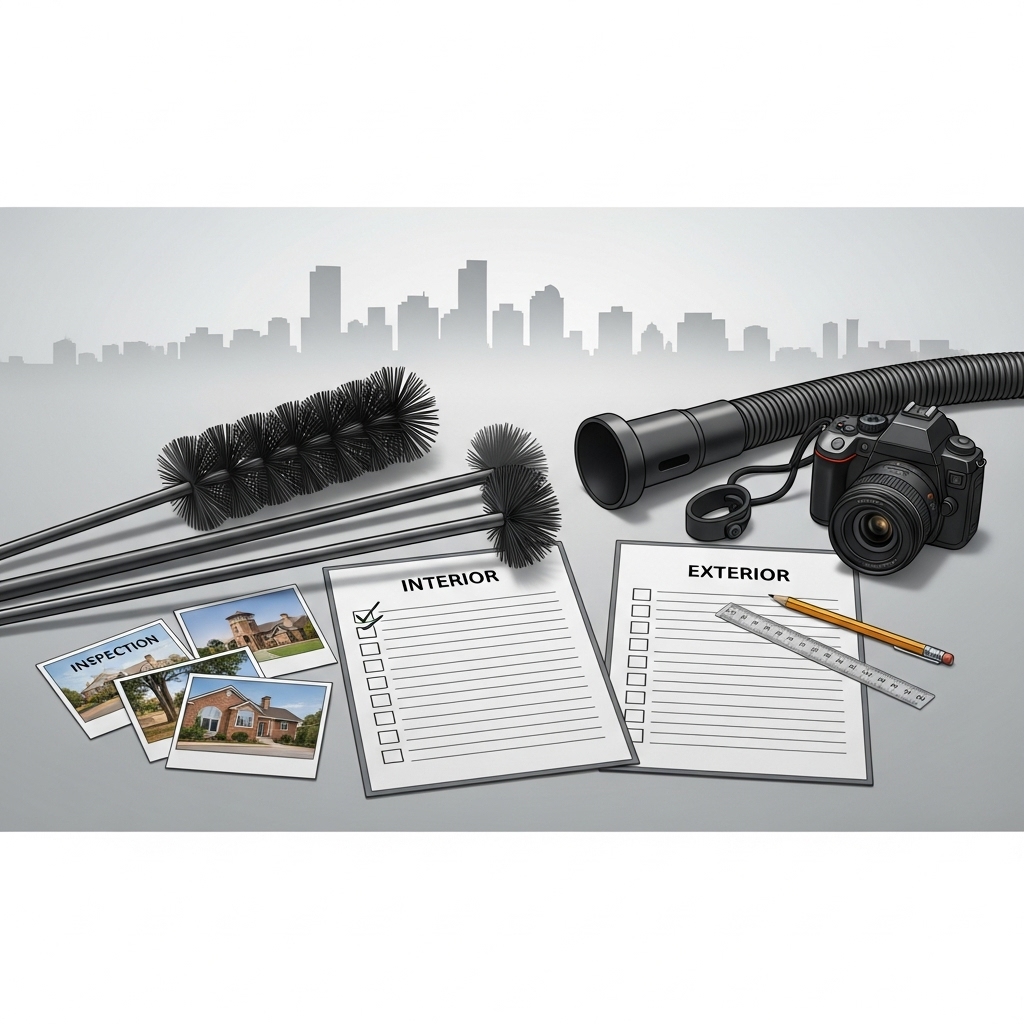
Keeping records of cleanings and inspections is another trend I applaud. Documented maintenance makes real estate transactions smoother and helps insurers evaluate claims after weather events. More importantly, your own records help you see patterns: how often creosote accumulates, whether certain wood choices perform better, and when components like caps or dampers need replacement. This turn toward stewardship is a hallmark of how Denver homeowners are approaching the hearth—with pride and a plan.
Frequently Asked Questions
How does a clean chimney improve neighborhood air quality?
Cleaner flues support hotter, more complete combustion, which reduces the smoke and fine particulates that drift into outdoor air. Multiply that effect across many homes, and the improvement is meaningful.
Is there a best time to schedule cleaning for air quality benefits?
Fall is ideal so you start the season strong, but midwinter cleanings help too, especially if you notice performance slipping. The most important step is to avoid long stretches of smoldering, smoky fires.
What wood choices lead to cleaner burns?
Use well-seasoned hardwoods when possible and verify moisture content with a meter. Store wood so it stays dry and ventilated. Avoid burning trash, painted wood, or glossy papers, all of which create unnecessary smoke.
Do modern windows and tight homes make smoke issues worse?
They can, because exhaust fans and tight envelopes create negative pressure. After cleaning, simple adjustments—like adding make-up air during startup—usually restore smooth operation.
How often should I have the chimney inspected if I care about air quality?
At least annually, with a midseason check for heavy users. Documentation of each visit helps you make data-driven decisions about your wood supply and burning habits.
The evolution of fireplace care in Denver is encouraging: better habits, smarter tools, and a genuine desire to keep indoor and outdoor air clean. If you want to join the growing number of homeowners who enjoy beautiful fires without the headaches, a thoughtful plan is your best ally. Start with a well-timed appointment, ask questions, and keep records. When you are ready, book your next service and schedule your Denver chimney cleaning so your hearth performs beautifully—and your air stays as clear as our winter sky.