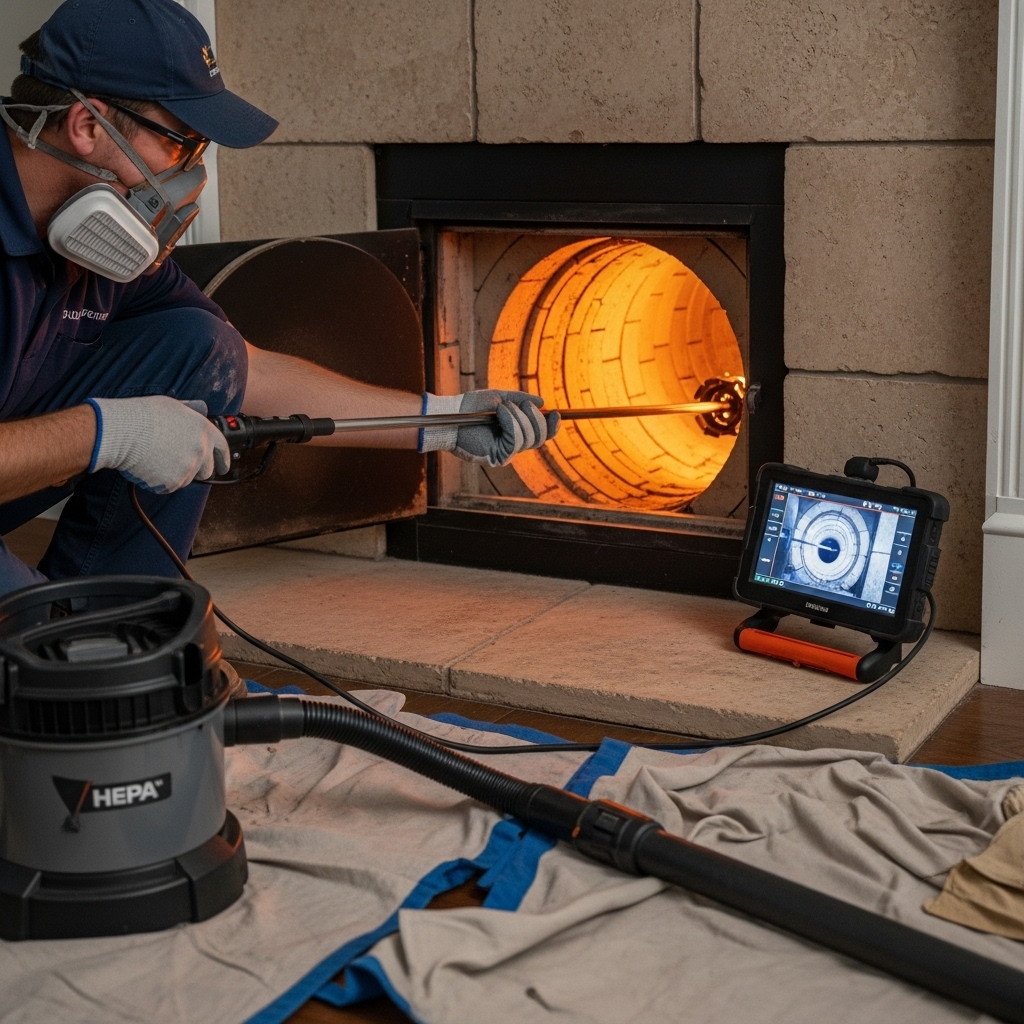

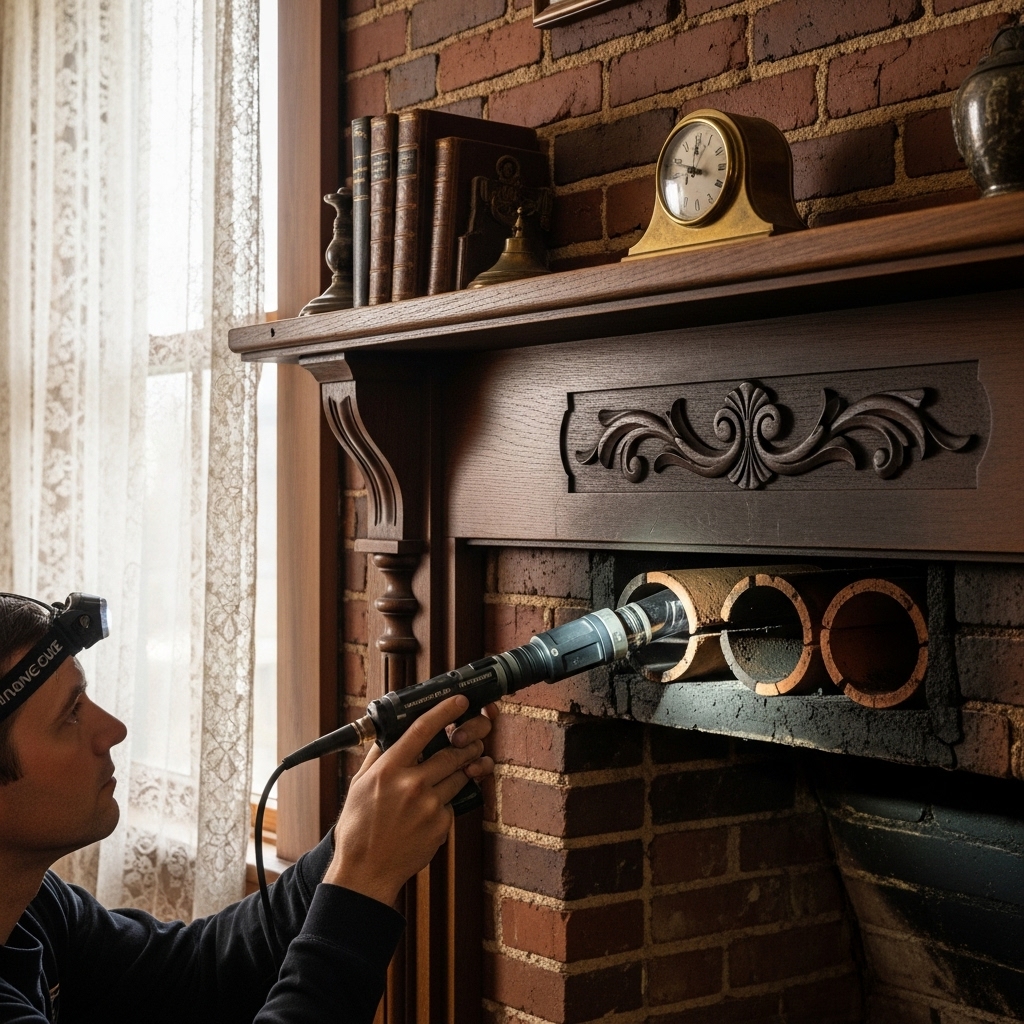
Step into an older brick home in Denver and you can feel the character immediately: original mantels, plaster walls with a gentle patina, and masonry fireplaces that have anchored family life for generations. These features are part of what makes neighborhoods like Congress Park, West Highland, and Wash Park so beloved. But age brings quirks, and nowhere is that more apparent than in the fireplace and chimney. When it comes to maintenance, especially chimney cleaning, older brick homes have a predictable set of issues that, once understood, are straightforward to manage.
Mortar joints and the march of time
Masonry is remarkably durable, but mortar is the sacrificial element, designed to weather so the bricks can endure. In older chimneys, we often find eroded joints inside the firebox, in the smoke chamber, and along the flue tiles. Small voids become collection points for soot and creosote, which cling more easily to rough surfaces. Cleaning lifts that material, but the underlying mortar may still require attention. Tuckpointing or parging the smoke chamber smooths the pathway, improves draft, and slows deposit accumulation between cleanings.
Flue tile cracks and alignment concerns
Clay flue tiles were common for decades. Over time, heat cycling and freeze-thaw stress can lead to minor cracks or offsets at the tile joints. During cleaning, a careful inspection—often aided by cameras—reveals these conditions. Hairline cracks do not automatically spell disaster, but they do deserve monitoring. Larger gaps or misaligned tiles can disrupt draft and present safety concerns. Addressing them might involve relining with stainless steel or specialized liners designed to restore a smooth, continuous surface for exhaust.
Smoke chambers that need modernization
Older fireplaces frequently have corbelled smoke chambers—stepped masonry that creates ledges where soot collects. In modern practice, we smooth these surfaces with refractory mortar, creating a streamlined path from the firebox to the flue. The change is dramatic: faster startups, less turbulence, and cleaner burns. Pairing this upgrade with thorough cleaning turns a temperamental, smoky hearth into a consistent performer.
Chimney caps, crowns, and Denver’s freeze-thaw cycle
The top of the chimney takes a beating along the Front Range. Crowns crack, caps rust or go missing, and flashing loosens. When water enters the system, it leaves telltale signs: efflorescence on brick, musty odors, and spalling where brick faces flake away. Cleaning is often the moment we discover these clues, because once soot is removed, stains and cracks are easier to see. Timely repair protects the structure and improves draft by keeping the flue clear of debris and animals.
Draft challenges in tall, multi-story homes
Many classic Denver homes have tall chimneys serving living rooms on the main floor. The greater the height, the more the system can be influenced by wind and internal pressure zones. A clean flue is the baseline; from there, fine-tuning may include checking for a properly sized cap, verifying the damper seals and travels fully, and confirming that the flue size matches the firebox opening. If the fireplace has been modified over the decades, mismatches can creep in. Cleaning and inspection together help uncover the root of chronic smoke spillage.
Legacy modifications and well-meaning fixes
Older homes often come with a history of tweaks—some ingenious, others less so. I have seen makeshift dampers, undersized liners, and ornamental grates that disrupt airflow. Part of a good cleaning visit is documenting what is there and how it behaves. With that baseline, we can recommend small corrections that preserve the fireplace’s character while restoring safe function. Sometimes the answer is as simple as a better-fitting damper; other times, relining creates the consistent, smooth interior the system needs.
Creosote patterns unique to vintage masonry
In brick systems that have seen decades of use, creosote buildup tends to be uneven. Rough mortar and offsets in the flue create hot spots where deposits thicken. The smoke shelf can become a trap for flakes and soot, especially if maintenance has been sporadic. During sweeping, we use tools and techniques tailored to these idiosyncrasies, ensuring that hidden pockets are cleared and that the smoke chamber is thoroughly addressed, not just the vertical run.
Restoring performance without erasing history
One of the joys of working in Denver’s older homes is helping owners keep the architectural soul while upgrading function. You can retain the original brick, the vintage mantel, and the sense of age while improving safety and draft. That might mean smoothing the smoke chamber, adding an appropriately styled cap, or installing a liner that supports modern use. After cleaning strips away soot, these improvements stand out—and so does the pleasure of a fireplace that lights easily and burns clean without losing its old-world charm.
Preparing for winter in a century-old house
As winter approaches, older homes benefit from a deliberate routine. Verify that the damper opens fully, confirm the cap is intact, and plan for a thorough cleaning and inspection before heavy use. Because these houses often have unique pressure dynamics—and sometimes original windows that leak just enough air to affect draft—operational tips matter: warm the flue gently, build smallest-to-largest with truly seasoned wood, and keep the fire hot and lean rather than smoldering. Pairing these habits with periodic professional chimney cleaning will keep your stately brick hearth running beautifully.
Documenting conditions for peace of mind
With older masonry, documentation is your friend. Photographs of flue tiles, the smoke chamber, the crown, and the flashing—captured during or after cleaning—help you track changes over time. If you ever sell, those records answer questions before buyers ask them. If a storm blows through and a leak appears, you will have a clear “before” to compare against. This long-view mindset turns maintenance into stewardship, fitting for homes that have already seen a century of seasons.
Frequently Asked Questions
How often should older brick chimneys be cleaned?
At least annually for typical use, with more frequent checks if you burn nightly or notice performance issues. Vintage masonry accumulates deposits unevenly, so regular attention pays off.
Are hairline cracks in flue tiles an emergency?
Not always, but they should be documented and monitored. Larger gaps, offsets, or signs of heat damage warrant a plan, which may include relining to restore a smooth, continuous exhaust path.
Will cleaning damage fragile masonry?
When done correctly, sweeping is gentle on the structure. We use tools matched to the materials and condition, and we protect the surrounding interior so that soot and dust stay contained.
Can I modernize performance without changing the fireplace’s look?
Yes. Many improvements—smoothing the smoke chamber, adding a discreet cap, or installing a liner—happen out of sight. The fireplace retains its character while gaining safety and efficiency.
Why does my older home smell musty around the fireplace?
Moisture intrusion through cracked crowns or missing caps often leaves a musty smell. Cleaning reveals the source, and repairs to the crown, cap, or flashing typically resolve it.
Owning an older brick home in Denver is an invitation to care for craftsmanship that has already proven itself across generations. With the right attention and reliable help, your fireplace can be both a showpiece and a steady, safe source of warmth. If you are ready to bring your vintage hearth up to modern standards without losing its character, schedule your Denver chimney cleaning and head into winter with confidence.