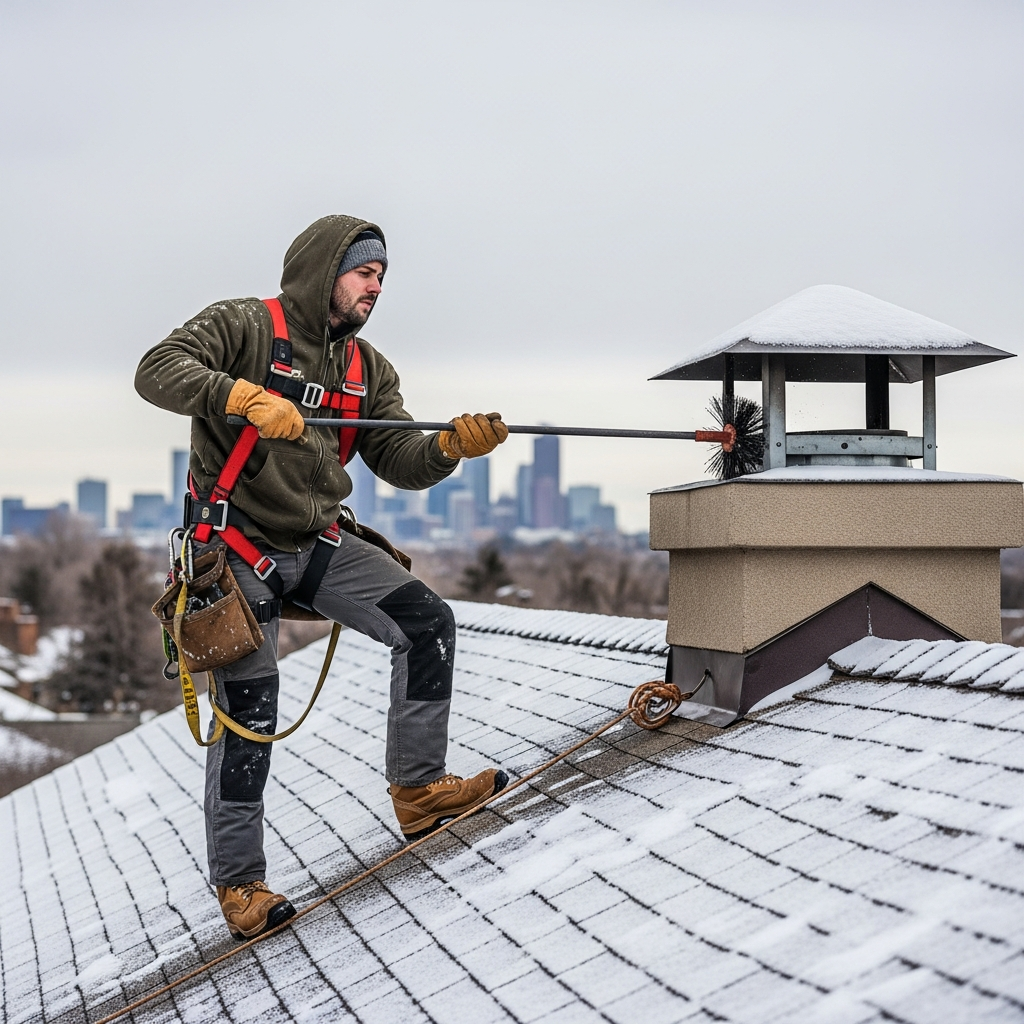

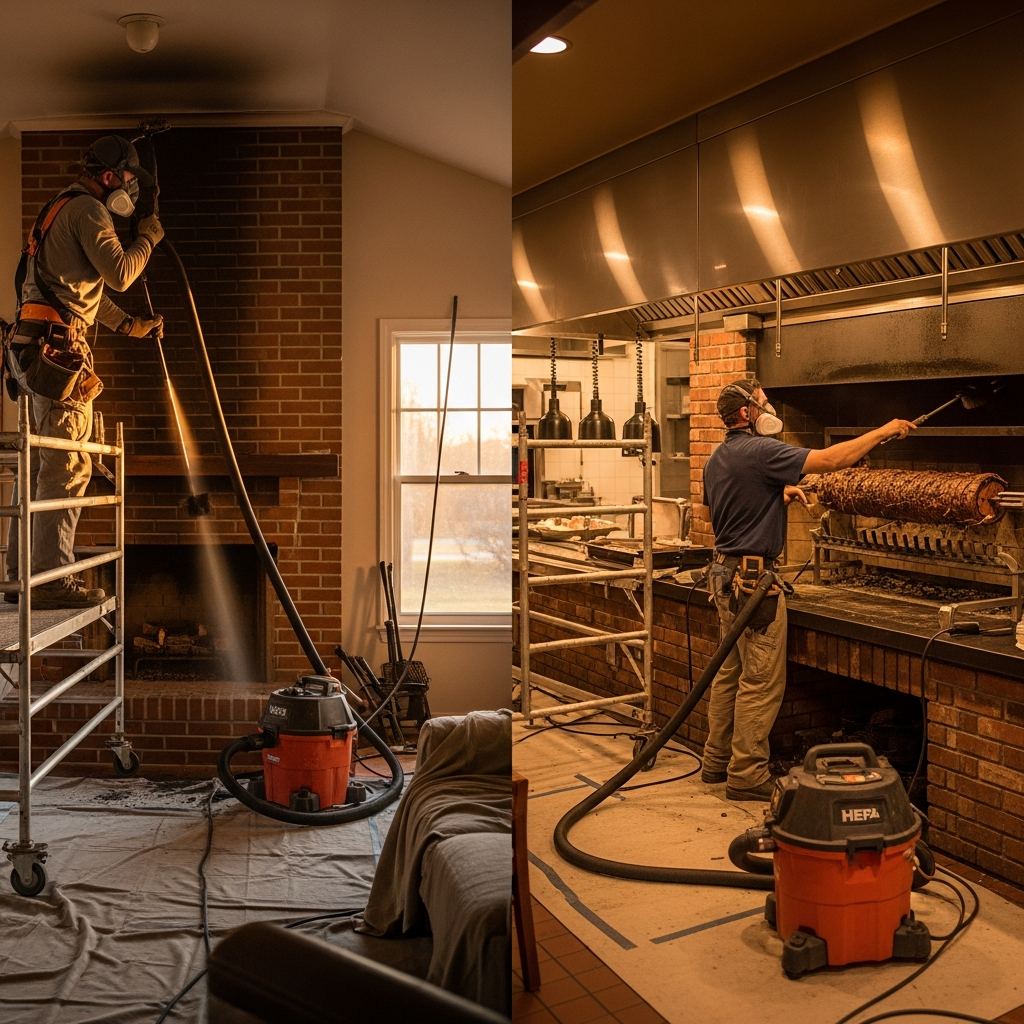
From historic bungalows in Baker to modern offices downtown, Denver’s skyline is dotted with chimneys that serve very different spaces and purposes. Residential and commercial chimney cleaning may share a core mission—clear venting, safe operation, and a cleaner, more efficient burn—but the way that mission plays out depends on how people use the building, how the system is designed, and how our high-altitude climate shapes performance. If you are weighing options for your home or business and want a reliable primer, set aside this resource on chimney cleaning to reference as you map out your plan.
In homes, the fireplace is often a centerpiece for family time and entertaining. In commercial settings, a chimney can be part of a restaurant’s atmosphere, a lodge’s charm, or even a critical component of a heating system in multifamily housing. Each context demands a tailored approach to cleaning, inspection, and documentation. Denver’s dry air and swift weather shifts only amplify the need for a local touch.
Residential Chimney Cleaning: Comfort and Safety at Home
Homeowners in Denver enjoy a long season of flickering flames, from the first autumn chill to late spring evenings. That means chimneys see plenty of action. A residential cleaning visit begins with a walkthrough to understand your appliance, your burning habits, and any changes you have noticed. The crew protects your floors and furnishings, sets up a high-efficiency vacuum, and gets to work brushing the firebox, smoke chamber, and flue. Attention then moves to the cap, crown, and flashing—common stress points in a city where sunshine one day can be followed by snow the next.
Older homes often feature clay tile-lined masonry chimneys, while newer remodels may include inserts or stoves vented through stainless liners. Each configuration guides the choice of brushes and rods. The goal is a clean interior, clear draft, and a careful eye on any signs of wear from freeze-thaw cycles or high winds. For families who use the fireplace frequently, annual service anchors a comfortable, safe routine.
Commercial Chimney Cleaning: Documentation and Coordination
Commercial properties layer in scheduling, compliance, and record-keeping. A boutique hotel in LoDo that lights a fireplace nightly for ambiance needs a different cadence than a seasonal mountain lodge hosting weekend events. Restaurants and event spaces also present unique patterns. In these settings, cleaning is paired with documentation that supports safety protocols, insurance requirements, and continuity of operations. The service often includes coordination with facility managers, clear time windows to avoid guest disruption, and a more formalized report structure that catalogs findings and next steps.
Access logistics can be more complex in commercial buildings, where shared rooftops, parapets, and mechanical enclosures shape how a crew moves and sets up. Certified teams plan routes, rig safely, and ensure that containment prevents migration of dust and debris into public areas. Communication with staff and management keeps the appointment smooth and respectful of guests and tenants.
Altitude, Weather, and Material Choices
Elevation affects both residential and commercial systems. Draft characteristics, condensation patterns, and thermal stress change at 5,280 feet. Denver’s winters can turn a warm chimney cold quickly overnight, encouraging residues to harden if not addressed promptly. Summer hail and high winds challenge caps and chase covers. Across property types, the cleaning approach is shaped by these conditions. Clay tiles, stainless liners, and factory-built components all behave differently during brushing; certified technicians bring the right mix of tools to protect each material while delivering thorough results.
Material choices extend to surrounding components as well. Crowns, flashing, and chase covers are checked for integrity. In commercial settings where visual appeal matters, crews may also advise on cap styles that complement the building’s design while providing robust protection against weather and wildlife.
Scheduling Strategies That Work for Both Sides
Homes benefit from a steady rhythm: annual inspection with cleaning as needed, ideally in late spring or early summer when residues are freshest and schedules are flexible. Businesses often prefer off-peak windows—midday for restaurants, shoulder seasons for hotels, and coordinated maintenance weeks for multifamily properties. Same-week or short-notice appointments are possible when weather or operations demand agility, and a seasoned team will build that responsiveness into their calendar.
No matter the property type, clarity up front makes the day efficient. Sharing appliance details, access notes, and recent observations allows the crew to arrive prepared. If the building is large or hosts multiple chimneys, a simple inventory and map keep the workflow organized and transparent.
Inside the Service: Process You Can Trust
Whether the setting is a living room or a lobby, the fundamentals stay the same. Floors are protected, containment is set, and a high-efficiency vacuum manages fine particulates. The firebox, smoke chamber, and flue are brushed thoroughly, and the termination—cap, crown, and surrounding materials—is checked with a practiced eye. In Denver, technicians pay extra attention to evidence of thermal stress and to wind-related wear. When appropriate, camera inspection illuminates hidden sections of the flue so findings are clear and defensible for homeowners, managers, and insurers alike.
Clear communication closes the loop. A homeowner might receive a friendly walkthrough and a concise report, while a business may require a more formal document package with photos and recommended maintenance intervals. In both cases, the emphasis is on actionable information that keeps people safe and spaces inviting.
Cleanliness and Guest Experience
In a home, cleanliness preserves the comfort you expect. In a commercial setting, it protects brand experience. Certified crews are meticulous about keeping work zones contained, using sealed barriers and thoughtful routes through a property. Soot and ash belong in the vac, not on carpets or in common areas. That attention to detail shows respect for families, guests, and the people who care for the building every day.
It also builds trust. When a crew leaves a property as clean as they found it—only safer—managers and homeowners alike feel they have a partner they can rely on for future maintenance and emergency calls.
Mid-Article Resource for Planning
If you are comparing options or building a seasonal plan, it helps to understand what a complete professional chimney cleaning includes. That insight prepares you to ask better questions, anticipate steps like camera inspection when warranted, and recognize professionals who treat both residential and commercial spaces with the same care.
Armed with a clear sense of the process, you can tailor scheduling to the rhythms of your household or business, ensuring maintenance happens proactively rather than reactively.
Special Considerations for Multifamily and Mixed-Use Buildings
Properties with multiple units introduce coordination challenges and shared responsibilities. Chimneys might serve individual units or common areas, and roof access may require careful timing. Professional teams route work to minimize disruption, communicate with residents, and ensure that corridors and lobbies remain pristine. Documentation supports property management’s record-keeping and provides a simple history that makes future service faster.
In mixed-use buildings, teams pay attention to how commercial hours overlap with residential quiet times. Clear expectations and a single point of contact on-site help the day flow, whether the crew is cleaning one fireplace or a dozen.
Reading the Signals: When to Schedule
Across all settings, similar clues indicate that it is time to call a pro. Persistent odors on warm days, smoky startups, soot granules on the hearth, and debris beneath the cap all point to accumulations or obstructions that deserve attention. After big wind events or hailstorms, a visual check of caps, crowns, and chase covers is wise. Changes in how the fire behaves—slower to catch, more smoke at first—are worth mentioning when you book.
Even without symptoms, annual inspection anchors a responsible maintenance rhythm. In Denver, that rhythm respects the altitude’s effect on draft and the weather’s impact on materials, ensuring systems stay healthy from season to season.
Training, Certification, and the Human Element
What sets trusted teams apart is the blend of technical training and the human touch. Certification reflects mastery of safety standards, cleaning techniques, and inspection protocols. The human element is about listening, explaining, and treating every space with care. In a private living room, that might mean moving an heirloom carefully and placing protective covers exactly where you prefer. In a hotel lobby, it might mean planning work when foot traffic is light and rerouting equipment to invisible back-of-house corridors. The goal is always the same: a safer, cleaner system and a client who feels fully informed.
That combination of rigor and respect is what keeps homes safer and businesses running smoothly no matter what the weather brings over the Front Range.
Frequently Asked Questions
How often should homes and businesses schedule chimney service in Denver?
Most households benefit from annual inspections, with cleaning performed as findings warrant. Businesses tailor frequency to usage patterns and operational needs, often aligning service with off-peak hours or seasons. Heavy-use settings—such as hospitality spaces with nightly fires—typically plan more frequent attention.
Do gas fireplaces in commercial spaces need regular attention?
Yes. Gas burns cleaner than wood, but venting must remain clear and components intact. Periodic inspection confirms safe operation and helps avoid surprises during busy periods.
What can I do to prepare a property for service?
For homes, cool the firebox, clear the hearth, and provide roof access. For commercial sites, coordinate access routes, designate a staging area, and share any event schedules that may affect timing. Clear communication saves time and keeps spaces presentable.
Will cleaning disrupt guests or tenants?
Professional crews plan to minimize impact. Containment and thoughtful routing prevent debris from traveling, and scheduling is coordinated around low-traffic periods. The result is a cleaner system without compromising the guest or tenant experience.
What if the building has multiple chimneys?
A simple inventory and map streamline the day. Teams can move efficiently from one flue to the next and provide consolidated documentation that supports future maintenance planning.
Are older masonry chimneys harder to clean?
They can require additional care due to offsets or historical wear, but experienced technicians bring the right tools and gentle techniques to protect clay tiles and brick while achieving a thorough result.
When is the best season to schedule in Denver?
Late spring and summer offer flexibility and favorable conditions for exterior work. If service must occur in fall or winter, plan ahead and expect the crew to place roof safety first while maintaining clear communication about timing.
Ready to Protect Your Home or Business
Whether you are lighting a family fire or welcoming guests to a lobby hearth, the path to safety and comfort runs through regular, thoughtful service. Choose a partner who understands Denver’s climate, building styles, and operational realities. When you are ready to plan the next visit, book trusted Denver chimney cleaning and enjoy the season with a system that is clean, efficient, and ready whenever you are.