
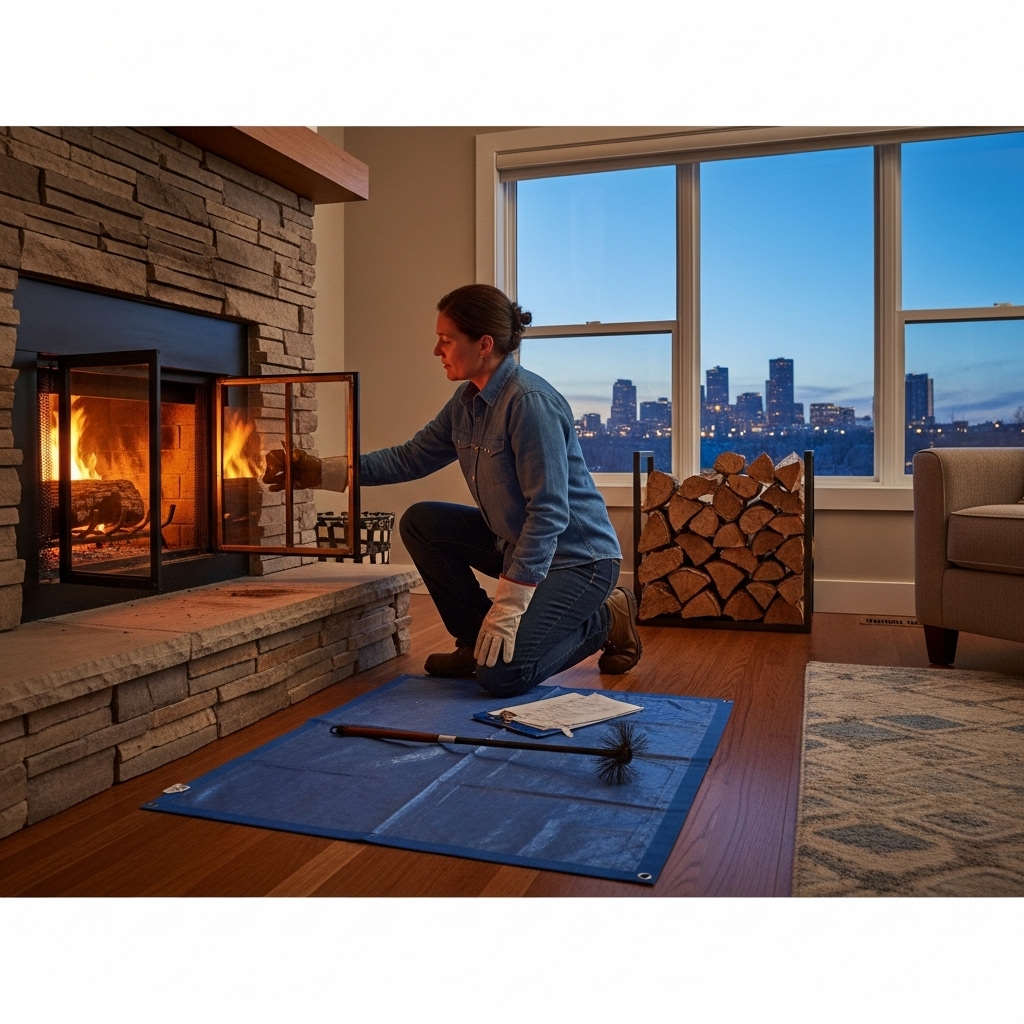
When winter rolls into Denver, we all step into the familiar routine of layering jackets by the door and stacking firewood on the porch. There is a special kind of comfort in lighting that first fire of the season, hearing the pop of a seasoned log, and feeling the room warm from the hearth outward. But before you strike the match, there is one step that sets the tone for every fire until spring: scheduling chimney cleaning. In our high-altitude climate, a clean, well-tuned system is not just a luxury—it is essential for safe, efficient winter living.
How winter weather changes fireplace behavior
Denver’s winter is a blend of bright bluebird afternoons and sharp, still nights. That swing matters. On calm evenings, inversions can trap pollutants low to the ground, and draft becomes more delicate. Any obstruction or creosote narrowing the flue will show up immediately as sluggish starts, smoky rooms, or a stubborn damper area that seems to resist the flow of exhaust. Add in our dry air, which accelerates evaporation and cooling in the flue, and the case for a pristine chimney becomes even clearer.
Safety first: reducing the risk of chimney fires
Creosote is the sticky, flammable residue of incomplete combustion. It builds in layers: powdery soot at first, then flaky accumulations, and finally a shiny glaze if neglected. Winter is when deposits grow fastest, because fires burn more frequently and start from a cold system. Regular cleaning cuts this fuel source for chimney fires, which can reach extreme temperatures and threaten surrounding framing. Most homeowners never witness such an event precisely because they are preventable with consistent maintenance and smart burning habits.
Comfort and air quality you can feel
No one wants a living room that smells like last night’s smoke. A clean chimney supports good draft, helping smoke and particles move up and out quickly, even during those stubborn first few minutes of a fire. This is particularly important in homes with tight building envelopes or newer windows, where negative pressure from kitchen or bath fans can compete with the fireplace. If smoke has ever trickled into the room when a fan kicked on, you have seen the tug-of-war in real time. A thorough cleaning and inspection restore a clear path so your home air stays fresh.
Efficient heat during the coldest nights
Wood heat is wonderfully tactile: you feel the difference between damp logs and dry ones, you hear the shift from a smolder to a bright burn, and you notice how a flue that “pulls” makes everything easier. Clean chimneys promote hotter, faster startups, which warm the flue and establish strong draft early in the burn. This means you can run smaller, hotter fires for steady heat rather than overloading the box to chase warmth. Over time, you will use wood more effectively and enjoy more predictable comfort with less fussing over the damper.
Why winter is the time to get serious about maintenance
Many homeowners assume that maintenance belongs strictly to the shoulder seasons, but winter is when performance matters most. If you have not had your system cleaned since last year—or if you have noticed hazy glass, bitter odors, or extra smoke—it is not too late. Mid-season service is common in Denver, especially for heavy users or those returning to wood heat after years of relying on a furnace. A good sweep and inspection can transform the second half of winter, ensuring the next storm is a cue for comfort, not concern.
What a professional service covers
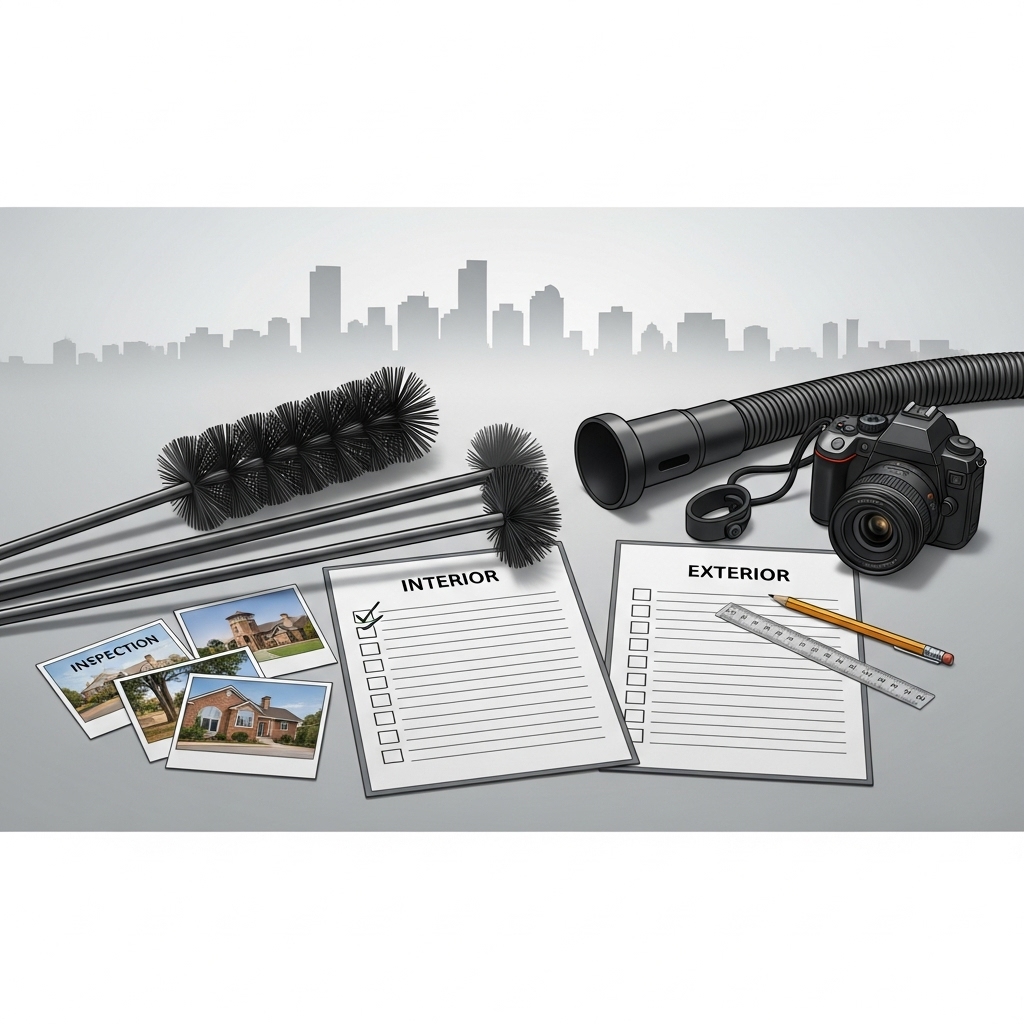
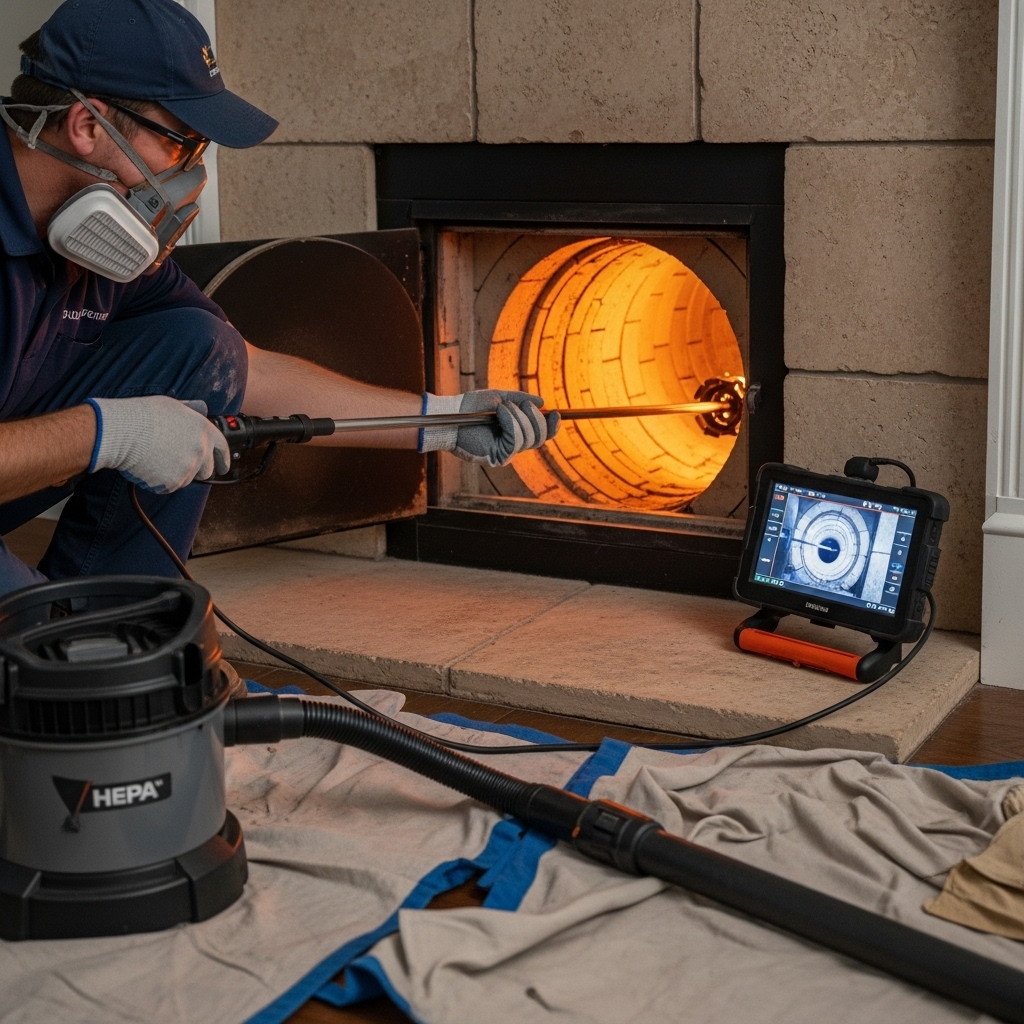
A proper sweeping includes protecting your interior, brushing the flue, cleaning the smoke chamber and smoke shelf, and verifying that the damper, cap, and crown are doing their jobs. In masonry systems, we look for missing mortar, cracked tiles, and moisture staining. In lined or factory-built systems, we check for secure connections, intact insulation, and clearances to combustibles. Every visit ends with a clear report so you know where you stand. That documentation is useful for your own records and, if the time comes, for buyers curious about the fireplace’s condition.
Homeowners often ask if there is a single silver bullet to eliminate creosote. There is no substitute for technique and timing: burn only seasoned wood, avoid smoldering fires, and lean into hot starts that light the load fully. Combined with seasonal checkups—and the occasional midwinter tune-up—these practices produce the most reliable results. And when conditions get finicky, seeking timely, local help, including thorough professional chimney cleaning, is the quickest route back to steady performance.
Weather, water, and the top of the stack
Winter brings more than cold; it brings freeze-thaw cycles that punish masonry. A tight cap keeps snow and rain out of the flue, while a sound crown sheds water off the top of the chimney. During cleaning, we check both components, along with the flashing where the chimney meets the roof. Catching small cracks early prevents bigger headaches in March when thawing reveals water staining or efflorescence on brick. These top-side defenses are simple, effective, and crucial for keeping your system dry and odor-free.
Draft troubleshooting in real Denver homes
Every house has its personality. In tri-levels, the vertical path of the chimney may cross several pressure zones, making consistent draft more sensitive to wind. In tight, modern renovations, make-up air can be the missing ingredient; cracking a nearby window an inch during startup sometimes makes a world of difference. After cleaning removes physical obstructions, a few practical adjustments—warming the flue with a small kindling fire, avoiding over-sized logs early on, and being patient with the damper—tend to resolve the rest.
Getting ahead of peak nights and holidays
The busiest burn nights are the coldest ones, and those also tend to be the busiest call days for service. Treat maintenance like snow shovels and ice melt: get ready before you need it. If you plan to host family or simply want that deep, even warmth during a stretch of single-digit lows, schedule your check early. The peace of mind will carry you through the season, and you will notice the difference in how easily the fireplace becomes part of your daily rhythm.
Frequently Asked Questions
How often should I schedule cleaning during winter?
For most Denver homes, once a year is a good baseline. If you burn nearly every evening or rely on a wood stove for supplemental heat, a mid-season inspection and possible touch-up keep performance on track.
Why does smoke sometimes spill into the room at startup?
Cold flues and weak draft are common culprits. Preheating the flue with a small kindling fire, ensuring the damper is fully open, and verifying that bath or kitchen fans are off can help. If the problem persists, a cleaning and inspection are wise.
Is it okay to burn softwoods like pine?
Softwoods can be fine when well seasoned, especially for kindling, but they tend to produce more creosote if burned cool or damp. Balance with hardwoods and focus on hot, efficient fires to minimize residue.
What are signs my chimney needs attention now?
Hazy glass that returns quickly after cleaning, bitter or tar-like odors, difficulty getting fires to draw, or a rumble in the flue during hot burns are all indicators. Any unusual sounds or visible sparks from the cap warrant immediate evaluation.
Can I wait until spring?
If your system is running well and you use it lightly, you might wait. But if you are experiencing symptoms or preparing for heavier use, winter service ensures safe, comfortable fires when you need them most.
Winter in Denver is too beautiful to spend fussing with a smoky fire or worrying about what is happening in the flue. Take the simple step that protects your home and elevates every evening by the hearth. If you are ready to warm the house with confidence, schedule your Denver chimney cleaning today and enjoy cleaner burns, safer nights, and a fireplace that feels as dependable as it looks.