
On a crisp Denver morning when the foothills catch the first light and the air feels clean and thin at elevation, it is easy to forget how much your home relies on small, often overlooked systems working quietly in the background. The chimney is one of those critical systems. Whether you burn wood a few weekends each winter or depend on a gas fireplace for daily comfort, a professional inspection is the single most effective step to keep your system safe, efficient, and durable. Early in the season, many homeowners ask what they gain from an inspection beyond a quick glance at soot. The answer is broad and practical: safety, performance, and long-term protection for your home’s structure. If you only read one takeaway, let it be this—schedule experienced chimney inspection services before the first real cold snap so you are addressing issues on your schedule, not in the middle of a storm.
Why safety starts with a close look
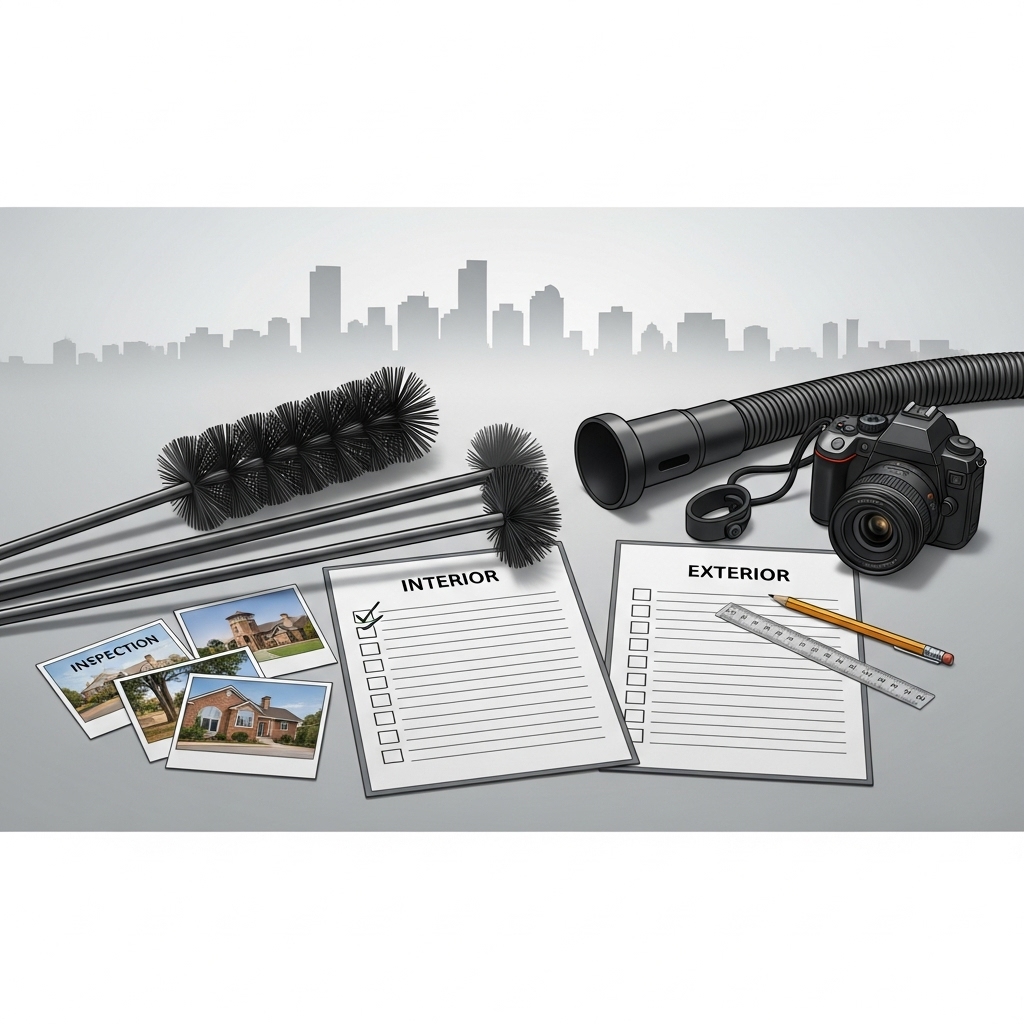
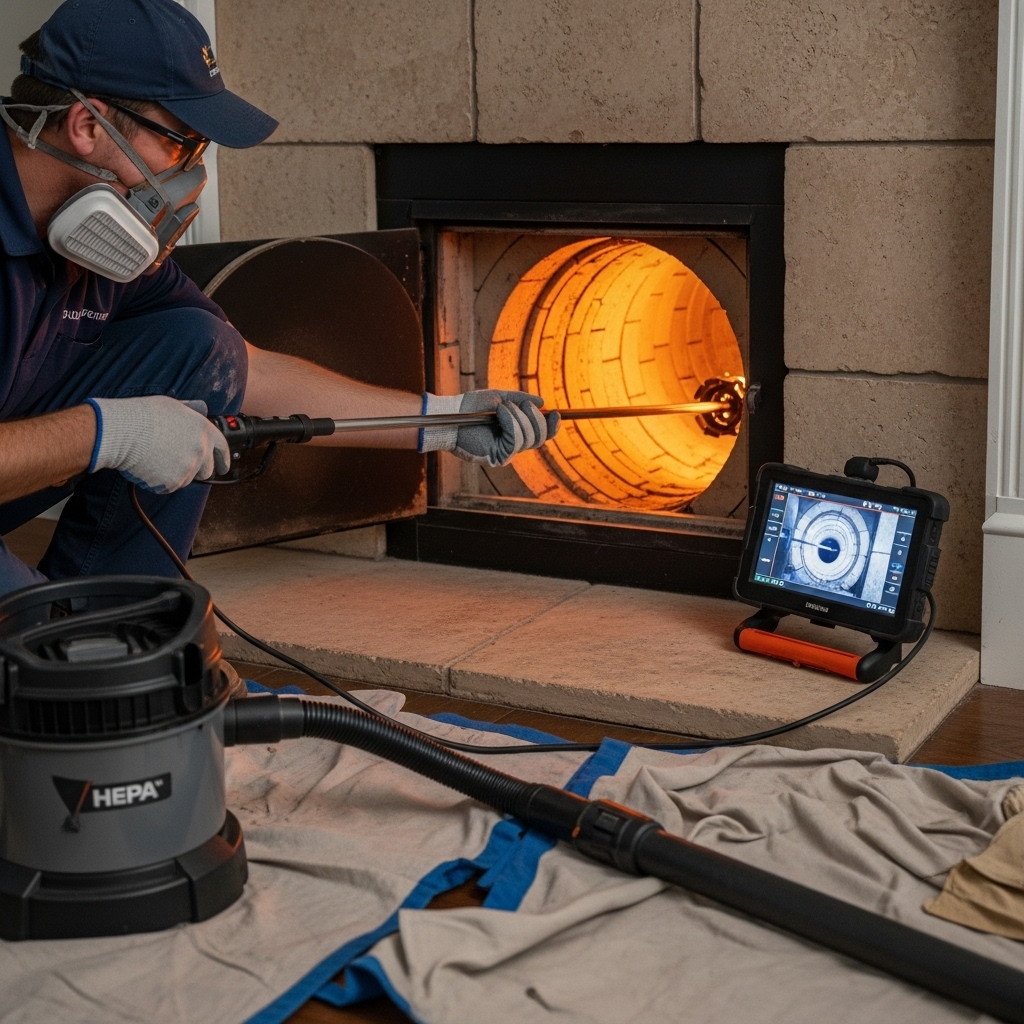
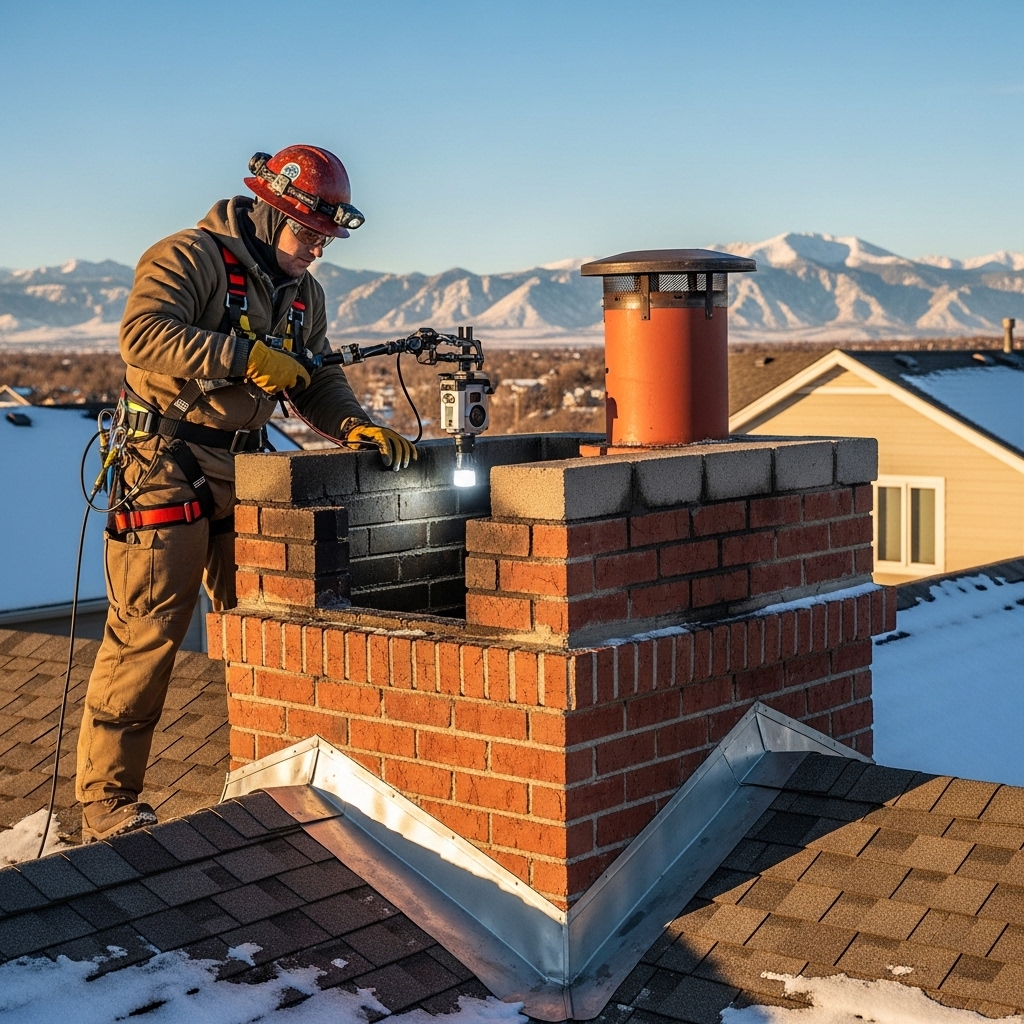
In Denver, safety is not just about preventing a chimney fire; it is also about preventing invisible hazards that can move through a home quickly, like carbon monoxide from a malfunctioning gas appliance. A proper chimney inspection distinguishes between cosmetic discoloration and genuine risk by looking at the system as a whole: the firebox, damper, smoke chamber, flue liner, crown or chase cover, cap and spark arrestor, and the flashing where masonry meets roofing. Inspectors trained to NFPA 211 standards follow a clear protocol and document their findings with photos and, when appropriate, video from a chimney camera. This matters because many defects hide where you cannot see from the hearth, such as a cracked clay flue tile two stories up or a missing mortar joint in the smoke chamber that allows superheated gases to access wood framing. When those gaps exist, heat can transfer to combustibles far faster than most people expect, especially at altitude where draft can be strong and fires can burn hot and fast.
We also look for creosote—how much is present and what type it is. Denver’s dry climate often fools people into thinking creosote is less of a concern, but the dryness simply makes incomplete combustion more likely when wood is not fully seasoned. Flaky, soot-like deposits are common and cleanable, but shiny, tar-like glazed creosote indicates persistent high temperatures or smoldering conditions and carries significant fire risk. An inspection identifies which you have and why it formed so the next steps are targeted and effective rather than guesswork.
Denver’s climate and your chimney
Chimneys in the Front Range face a specific set of stressors: strong UV exposure at elevation, sudden temperature swings from chinook winds, freeze-thaw cycles that pry apart small cracks, and occasional hail. In winter, moisture travels into hairline mortar joints, freezes, and expands; by spring, those joints can widen and allow even more water in. Over time, that cycle leads to spalling bricks, deteriorated crowns, and efflorescence (the white, powdery salts you sometimes see on masonry). A detailed inspection catalogs where moisture is intruding so you can address the source—often a missing drip edge on the crown, a cap without a tight mesh screen, or flashing that has lifted at the uphill side of the stack—before that water makes its way into ceilings and walls.
Wildfire smoke drifting along the Front Range and winter inversions add another layer. Fine particulates can accumulate in tight places, and animals—starlings and squirrels especially—will build nests in caps that lack proper screening. That nesting material can block draft, cause smoke to roll into the room, or create a dangerous ember trap. Inspections catch those foreign obstructions and restore the airflow your fireplace needs to work properly and cleanly.
Performance you can feel every time you light a fire
Comfort and efficiency hinge on draft, and draft is a balance between chimney height, flue size, appliance requirements, and the pressure dynamics of your home. High-efficiency range hoods and whole-house fans can compete with a fireplace for air, especially in tightly sealed, modern homes. When negative pressure wins, you see smoke spillage, smell a cold fireplace even when it is not in use, or feel downdrafts during storms. An inspection includes diagnostic checks—damper operation, visible flue continuity, termination height relative to the roof, and sometimes simple smoke tests—to identify why your system misbehaves. Small changes can have outsized results: freeing a damper that binds, addressing a missing or deformed cap, or recommending a top-sealing damper that seals the flue at the top to reduce standby heat loss when the fireplace is idle. In a city where winter energy bills are real and overnight temperatures regularly dip, those details matter.
Protecting your investment
Masonry and factory-built chimneys both need protection. For masonry, the crown should be solid, properly sloped, and extended with a drip edge to shed water past the brickwork. The cap should keep out water, wildlife, and embers without restricting venting. The flashing—step and counter flashing where the chimney meets the roof—should be tight and properly integrated with the roofing. For factory-built systems, the chase cover should be rust-free, sloped to shed water, and sealed at the perimeter, with a termination that matches the manufacturer’s listing. An inspection documents these details so repairs are prioritized by risk and impact rather than by what is simply visible from the ground.
Inside the system, a continuous, intact liner is critical. Older, unlined chimneys and those with cracked clay tiles allow heat and byproducts to escape into the masonry shell or adjacent framing. That can mean odor, staining, or, in worst cases, hidden fire. Inspectors use lighting and cameras to verify liner continuity, identify offsets, and spot cracked tiles that are sometimes only visible when viewed from specific angles. If defects are present, the inspection report will explain options such as stainless steel relining or, in some cases, cast-in-place liners, with an emphasis on matching the liner size to the appliance for optimal performance.
Real value: less guesswork, more confidence
When you have a complete picture of your chimney, decisions become easier. You know which items are urgent, which are preventative, and which can be monitored over time. For Denver homeowners, that might mean prioritizing a crown rebuild and cap installation before spring storms, scheduling smoke chamber parging to improve draft and reduce turbulence, or planning a liner project during a remodel when access is easier. The point is not to generate a to-do list; it is to create a plan so your fireplace or stove is safe, enjoyable, and ready when you are.
In the middle of the heating season, the benefits extend to air quality and peace of mind—especially important in neighborhoods with frequent winter inversions. A clean, well-vented fireplace sends fewer particulates into the air and less smoke into your living room. If you are weighing whether to get on a schedule now or wait until spring, remember that inspectors typically fill up as soon as the first snow hits. Securing time for thorough chimney inspection services in advance gives you flexibility if repairs are needed and helps avoid the seasonal rush.
What a thorough inspection includes
Industry standards describe three levels of inspection. A Level 1 is appropriate when you have not changed your use and the system appears to be functioning normally; it focuses on readily accessible portions of the chimney, appliance, and connector. A Level 2 is recommended with any change in appliance, fuel type, or flue liner, after a malfunction or building event (such as a hailstorm or seismic activity), or during a real estate transaction. Level 2 adds video scanning of the internal surfaces and reviews accessible areas in attics, crawl spaces, and basements. Level 3 is more invasive and reserved for when hidden hazards are suspected and cannot be confirmed without removing portions of the chimney or building structure. Most Denver homeowners find that a Level 1 or Level 2 inspection provides the clarity they need; the key is to choose the right level for your situation so you get the right balance of detail and efficiency.
Preparation and homeowner tips
Before your appointment, avoid burning for at least 24 hours so the system is cool to the touch. Clear the area in front of the fireplace to give the inspector safe access. If you have noticed odors on humid days, smoke spillage in certain winds, or strange noises at the cap, jot those down. Small observations often point directly to the root cause—like a loose cap in a southwesterly wind or negative pressure when the kitchen hood is on high. During the visit, ask to see photos and video. Understanding the condition of your chimney is empowering, and a good inspector will be happy to explain what you are seeing.
From findings to practical fixes
Denver’s most common recommendations tend to be practical and targeted: install a properly sized cap with spark arrestor screen to keep out animals and embers; rebuild deteriorated crowns with a bonded concrete mix shaped to shed water and overhang for a drip edge; add or repair step and counter flashing where we see staining or rust; parge rough smoke chambers to reduce turbulence and improve draft; and recommend appropriate relining when clay tiles are cracked or missing. For gas appliances venting into large, older chimneys, resizing the liner is often the difference between chronic condensation problems and a clean, dry flue. In some homes, particularly those renovated for tighter energy performance, we also discuss make-up air solutions so the fireplace has the oxygen it needs to draft correctly without competing with ventilation fans.
Inspections and real estate
Buying or selling in neighborhoods like Park Hill, Washington Park, the Highlands, or Capitol Hill? A Level 2 inspection with documentation can prevent last-minute surprises. Older homes sometimes have shared flues, abandoned thimbles, or hidden alterations from previous owners that only turn up under a camera. Resolving those before closing keeps transactions smooth and avoids post-move-in headaches when you are trying to enjoy your first fire of the season.
Frequently Asked Questions
How often should a Denver homeowner schedule a chimney inspection?
At minimum, once a year if you use your fireplace or stove during the heating season, and even occasionally if the system vents a gas appliance. Our climate’s freeze-thaw cycles and wind events make an annual check smart because conditions change, and small gaps and cracks can become big problems within a season.
Is a chimney inspection necessary for gas fireplaces?
Yes. Gas burns cleaner than wood, but it still produces water vapor and byproducts that can condense in a cold or oversized flue. We also check for proper termination, corrosion, and carbon monoxide risks. Many performance complaints about gas fireplaces trace back to venting issues an inspection can identify quickly.
What signs suggest I need an inspection sooner rather than later?
Visible cracks in the crown or masonry, white staining (efflorescence), a rusty or missing cap, smoke backing into the room, odors on humid days, and animal noises. If you have changed appliances or fuel type, or if hail has recently hit your roof, schedule promptly.
What is the difference between cleaning and inspection?
Cleaning removes creosote and debris; inspection evaluates the condition and safety of the entire system. The two often happen together, but they are not interchangeable. A clean flue with a cracked tile is still unsafe, and an inspection ensures you are not relying on a superficial look.
Do I need to be home for the inspection?
It is helpful, especially for the first visit, so the inspector can hear your observations and walk you through photos. After that, many homeowners feel comfortable scheduling when they are away, provided access is arranged, but being present leads to a better understanding and plan.
Can inspections improve draft and reduce smoke in the room?
Absolutely. By identifying obstructions, rough smoke chamber surfaces, undersized caps, or damper issues, we can recommend changes that smooth airflow. In many Denver homes, modest corrections translate to fires that light more easily and burn cleaner with less smoke rollout.
Call to action
If you want the confidence that comes from knowing your fireplace or stove is safe, efficient, and ready for the season, schedule professional chimney inspection services today. A careful evaluation now means more cozy evenings and fewer surprises when the weather turns, all backed by clear documentation and a practical plan tailored to your Denver home.