What “Licensed” Means for Chimney Inspection Companies in Denver
When homeowners search for licensed chimney inspection companies near me in Denver, they are often trying to separate professionals from pretenders. It is a smart instinct. Chimney systems touch fire, exhaust, and structural components of the home; you want a company that treats that responsibility seriously. While Colorado does not maintain a single statewide license category exclusively for chimney sweeps, reputable Denver companies operate with the right mix of business licensing, insurance, and nationally recognized training, and they follow local building code requirements when inspections lead to repairs or alterations. As you narrow your list, begin by contacting providers who deliver comprehensive chimney inspection services supported by clear documentation and safety-first practices.
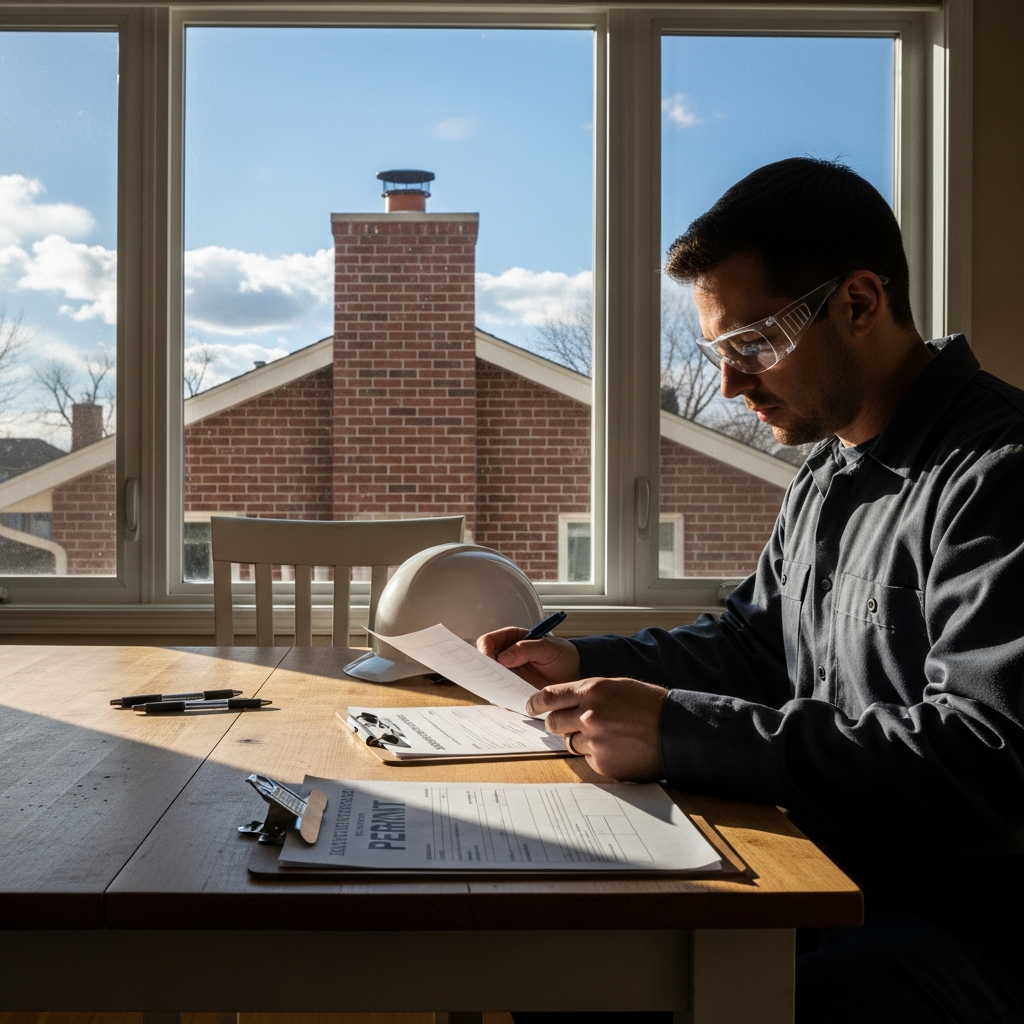
The word “licensed” can mean different things depending on the work performed. For inspections themselves, companies generally carry a local business license and maintain appropriate liability insurance. If an inspection uncovers issues that require repair—such as liner replacement, crown rebuilding, or masonry work—contractor licensing, permits, and inspections may come into play. In the City and County of Denver, building codes derived from national models govern how chimneys are constructed and repaired. Responsible companies are fluent in these requirements and coordinate permits when the scope calls for it.
Certification, Training, and Why They Matter
Because chimney systems are specialized, look for credentials that demonstrate current knowledge. Nationally recognized certifications and continuing education indicate that a technician keeps pace with code changes, evolving materials, and safety best practices. Competent Denver firms invest in training because our local environment—altitude, freeze-thaw cycles, and intense sun—stresses components differently than other regions. You want an inspector who can translate standards into practical, Denver-specific recommendations rather than recite them from a book.
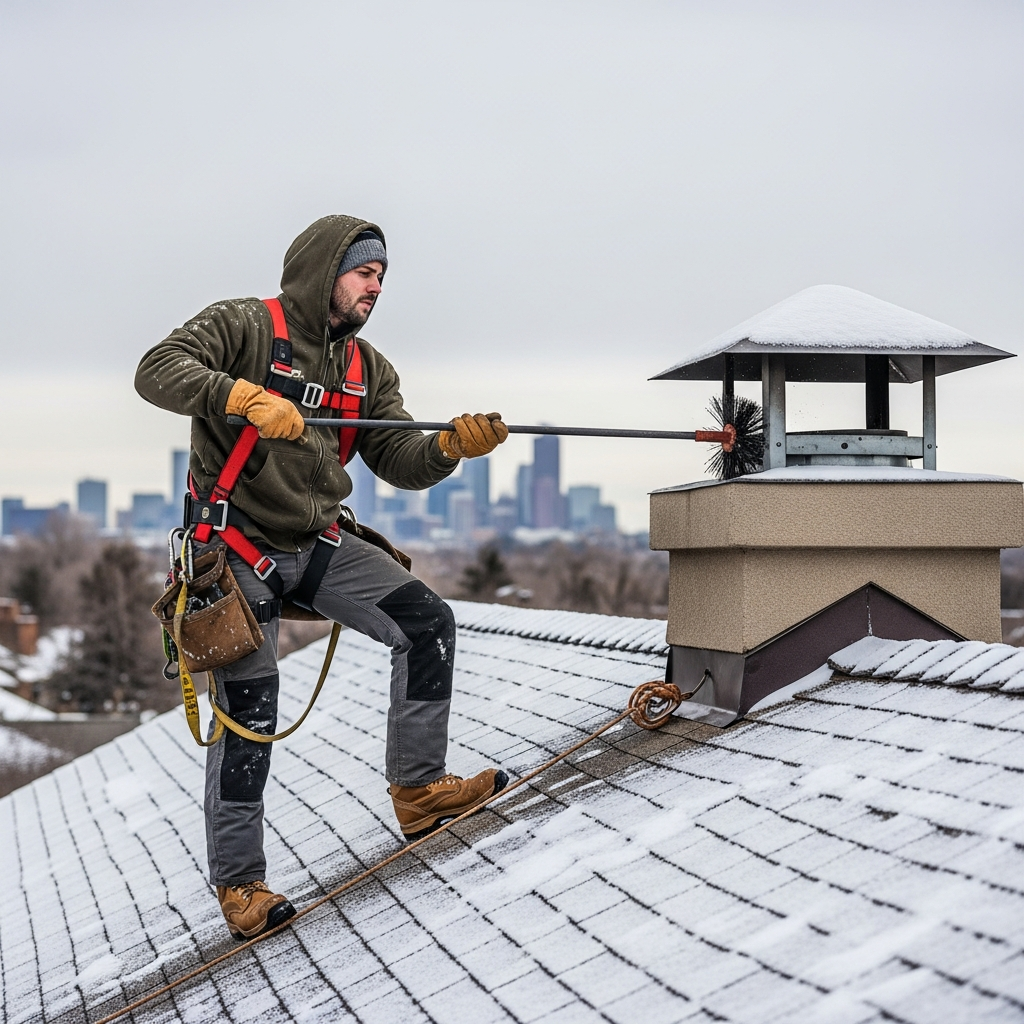
Beyond credentials, the day-to-day process is revealing. A company that protects floors, uses containment as needed, and lays out the plan before starting is a company that has done this many times. Expect careful roof safety measures, measured ladder placement, and deliberate steps around landscaping. Inside, you should see a thorough evaluation of the firebox, smoke chamber, damper, and hearth area, followed by flue documentation with photos or video when the scope includes a camera scan. The written report should reference applicable standards and offer straightforward next steps.
Licensing and the Path From Inspection to Repair
Homeowners sometimes worry that inspections will automatically lead to upsold repairs. A good Denver company keeps these phases distinct. The inspection’s purpose is to evaluate and document conditions against safety and performance benchmarks. If repairs are recommended, the discussion turns to what is necessary, what is advisable, and what can be monitored. For work that changes the structure or venting, reputable firms handle permits and city inspections where required and communicate clearly about timelines and coordination.
Denver’s housing diversity adds nuance. A 1920s masonry chimney in Congress Park might need different documentation and potential permits than a metal chimney system in a newer community. Historic features and multi-flue stacks often take more time to evaluate and may require more detailed reporting. If an inspection leads to lining work, companies confirm clearance-to-combustibles and adhere to manufacturer instructions to satisfy both safety and code requirements.
Verifying a Company’s Standing
It is reasonable—and wise—to ask for proof of insurance and to understand the training background of the specific technician who will visit your home. Responsible firms provide these details readily. You can also ask for a sample report so you know what you will receive afterward. Look for clarity, photographs, and references to recognized standards. This is where you see whether the company’s definition of “licensed and qualified” translates into work product that you can rely on.
Scheduling and communication are additional markers of professionalism. Expect confirmation calls or texts, realistic appointment windows, and prompt notice if weather changes roof access. If a company thoughtfully reschedules rather than rushes onto an icy roof, that is a sign they prioritize safety and quality over convenience.
Why Local Expertise Matters
At our elevation, draft and combustion can behave differently. Gas appliances may reveal subtle condensation patterns and soot accumulation if venting is not tuned to high-altitude operation. Wood-burning systems show distinctive creosote development across the season. Freeze-thaw cycles can open crown cracks and stress mortar joints faster than you would expect. A licensed, well-trained Denver company recognizes these patterns and helps you separate normal seasonal change from conditions that warrant attention.
As you compare providers, it can help to benchmark your options against established Denver chimney inspection services. Reviewing a clear description of what is inspected, how documentation is handled, and what happens after the visit helps you ask better questions and choose with confidence.
What to Expect During an Inspection
Most visits begin with a conversation about system history, any recent changes to the home, and patterns of use. The inspector then protects the work area and examines accessible components from the hearth upward. Outside, the evaluation includes masonry, flashing, cap, and crown. When the scope includes imaging, a camera documents the flue so you can see conditions for yourself. Before departure, the technician explains preliminary findings and when to expect the written report. Good companies invite questions and leave you with a clear understanding of next steps, if any.
Frequently Asked Questions
Does Denver require a specific chimney sweep license?
There is not a single statewide license category dedicated exclusively to chimney sweeps. Reputable companies maintain proper business licensing, carry insurance, follow recognized standards, and coordinate permits for repair work when required by local code.
How do I verify a company is qualified?
Ask for proof of insurance, training credentials, and a sample inspection report. These items quickly reveal whether a provider operates with professionalism and transparency.
Will an inspection lead to mandatory repairs?
Inspections document conditions and compare them to safety and performance criteria. If issues are found, a good company explains priorities and options. Only work that changes structure or venting typically requires permits and subsequent inspections.
Can weather affect the appointment?
Yes. For safety, roof portions of the inspection may be rescheduled during snow, ice, or high winds. Interior evaluations can still proceed, with exterior follow-up when conditions improve.
What kind of report should I expect?
Look for a narrative that includes photographs, references to standards or manufacturer instructions, and clear recommendations. The best reports serve as a roadmap you can return to season after season.
If you want a company that balances training, safety, and clear communication, choose a Denver provider committed to doing things the right way. When you are ready to book, reach out for licensed chimney inspection services from a team that stands behind its work.