
Preventative maintenance is the quiet hero of homeownership, the steady set of small steps that save you from big, disruptive problems. In Denver, where altitude, sun, and sudden weather changes test building materials daily, your chimney benefits especially from that proactive mindset. A chimney inspection is the centerpiece of a smart maintenance plan because it turns guesswork into a clear, prioritized roadmap. Instead of waiting for a leak, an odor, or smoke in the room to force urgent repairs, you can act at your pace and budget with confidence. As local inspectors, we see how a single, well-timed appointment each year prevents costly deterioration and keeps fireplaces and stoves enjoyable through every season. If you want your plan to start strong, book reputable chimney inspection services and build your maintenance around the findings.
Why Denver’s environment demands a proactive approach
Chimneys at elevation endure a punishing cycle. Winter introduces freeze-thaw stresses that pry apart small cracks in crowns and mortar joints. Spring brings wet snow and heavy, wind-driven rain that finds any weakness around flashing. Summer delivers intense UV that breaks down exposed sealants and bakes moisture out of masonry too quickly, leaving it brittle. Then there is hail, which can dent caps, distort screens, and bruise chase covers in a few loud minutes. A preventative inspection does not try to fight nature; it simply recognizes these patterns and addresses the small vulnerabilities that nature exploits before they grow into major failures.
Another local factor is the mix of housing ages and types. In one Denver block, you might find a century-old masonry chimney next to a modern metal chimney on a new addition. Each has unique needs. Masonry demands attention to crowns, caps, tuckpointing, and waterproofing strategies. Factory-built systems require intact chase covers, correct clearances, and terminations matched to the manufacturer’s listing. A preventative inspection accounts for those differences and tailors recommendations so you are not applying a one-size-fits-all fix to a system that deserves nuance.
From snapshot to maintenance plan
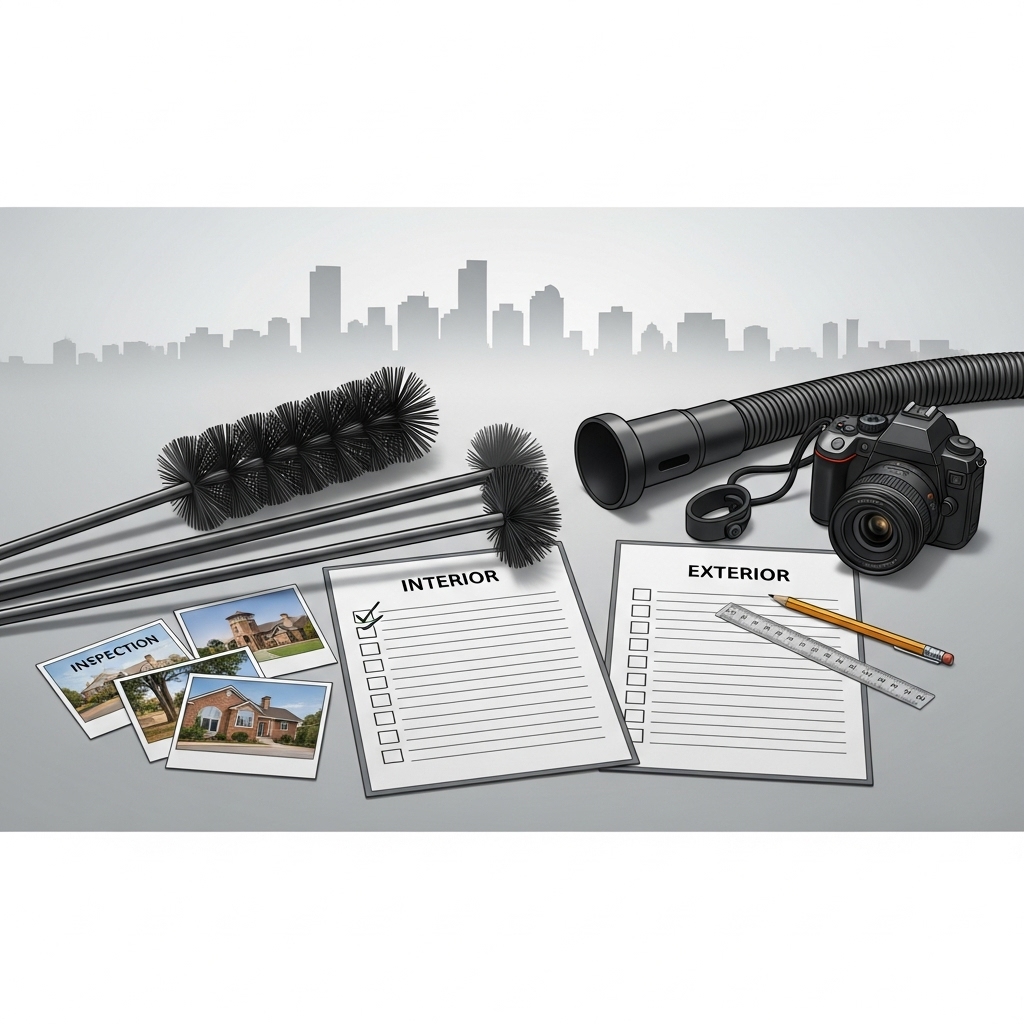
A quality inspection turns isolated observations into a plan. The report should provide clear photos and concise notes, with items grouped by urgency: what needs attention now to maintain safety; what should be scheduled soon to preserve materials; and what can be monitored. From there, you can sequence work intelligently. For example, if the crown is cracked and the cap is missing, rebuild the crown and install the cap before addressing cosmetic tuckpointing, because controlling water buys you time everywhere else in the system. If video scanning shows a few cracked clay tiles but no active leakage, plan a liner project during a remodel when access is easier and costs can be consolidated with other work.
Small fixes that pay big dividends
In preventative maintenance, a handful of modest actions have outsized impact. A properly sized cap with spark arrestor screen keeps out wildlife and embers while shedding rain and snow. A crown rebuilt with the right slope and a drip edge reduces water infiltration and efflorescence down the stack. Step and counter flashing properly interlaced with roofing stops leaks that travel invisibly until they stain a ceiling months later. Inside, parging a rough smoke chamber smooths airflow and improves draft, leading to cleaner burns and less creosote. For gas appliances, resizing the liner ends condensation that slowly eats at mortar joints and metal parts. None of these changes alter the character of your fireplace; they simply make it work the way it should and keep it dry and safe.
Inspection levels and timing
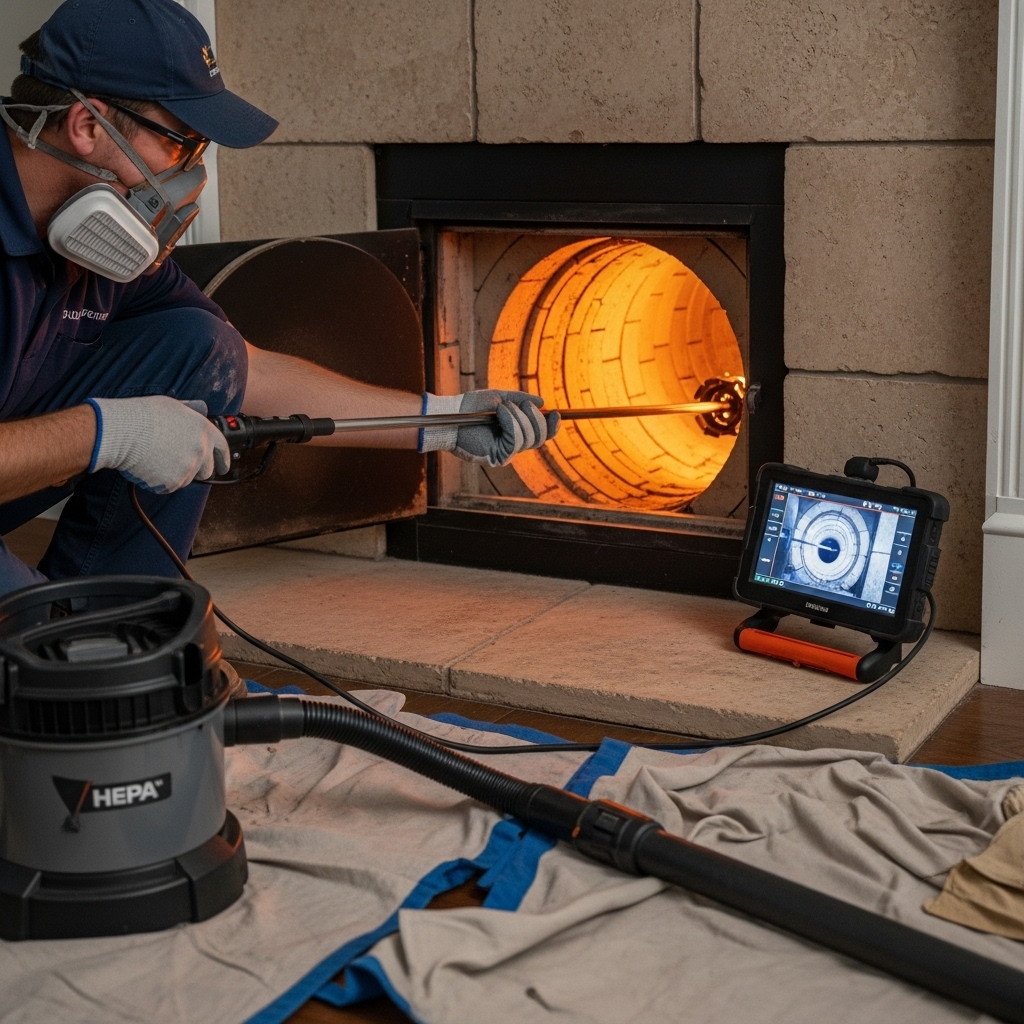
Preventative maintenance depends on choosing the right level of inspection at the right time. A Level 1 inspection is the baseline annual check when nothing has changed and the system seems to be performing normally. It covers readily accessible areas and confirms that components are present and functioning. A Level 2 inspection adds video scanning and reviews accessible areas in attics, crawl spaces, and basements. It is recommended when you buy or sell a home, change appliances or fuel, or after a weather event like hail. Level 3 is reserved for when a serious hazard is suspected and cannot be verified without removing parts of the chimney or surrounding structure. For most Denver homeowners, alternating Level 1 with occasional Level 2 inspections as circumstances change creates a robust preventative program.
Draft, comfort, and efficiency
Draft is the heartbeat of performance. When it is right, fires light easily, glass stays cleaner, and rooms feel cozier without smoke or odor. When it is wrong, you fight for every flame and question why the house smells like a campfire on a still night. Preventative inspections look at the elements that influence draft: chimney height relative to roof peaks, obstructions at the cap, damper condition and seal, smoke chamber smoothness, and liner sizing. In tighter, energy-efficient homes, we also keep an eye on competing exhaust fans and recommend strategies—sometimes as simple as opening a nearby window during start-up—to balance pressure. The payoff is not just comfort; it is cleaner burns that put less particulate into the air and less creosote on your flue walls.
Moisture management is everything
Water is the enemy of chimneys. It dissolves salts within masonry, leaves efflorescence, rusts metal components, and opens pathways for more water. Preventative maintenance starts at the top: a sound crown or chase cover, a correctly sized cap, and intact mortar joints or sealed metal seams. It continues at the roofline, where flashing must be tight and properly layered. Inside, we watch for signs of long-term moisture like rusted dampers, staining, odors when humidity is high, and soft, crumbly mortar in the firebox. Each sign points to a source, and each source has a straightforward fix when caught early. Left alone, moisture problems travel, and what begins at the flue tile or flashing can end up as insulation damage or a sagging ceiling far from the chimney.
The role of documentation
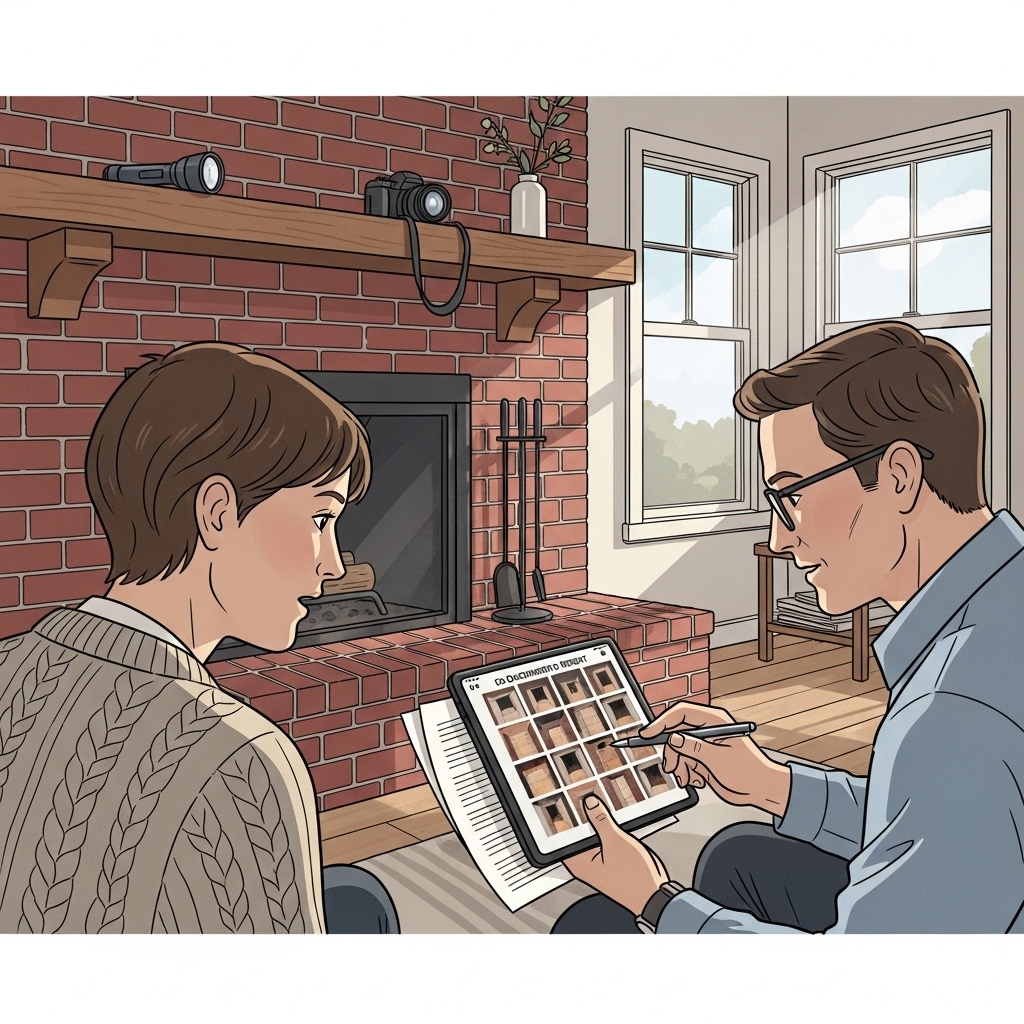
Preventative maintenance is easier when you can see change over time. Good inspection documentation—clear photos, labeled and dated—lets you compare this year’s crown hairline to last year’s photo and decide whether a crack is stable or growing. It lets you verify that a tuckpointed joint is holding through another winter and that a cap installed last fall still sits level and tight after a windy spring. This history informs smarter decisions and eliminates guesswork when you plan work or budget for future projects.
Pairing inspections with seasonal habits
Make the inspection the anchor of simple seasonal habits. In late summer or early fall, schedule your appointment so any recommended work can be completed before snow. During the season, burn seasoned wood and avoid smoldering fires that load the flue with damp smoke and creosote. After heavy wind or hail, take a quick look from the ground with binoculars for obvious cap damage and schedule a check if something looks off. In spring, when runoff and storms are common, watch your ceilings near the chimney for early signs of moisture. These small habits, informed by the inspection, keep maintenance light and targeted.
Mid-season is also a good moment to verify that your fireplace is still behaving as expected. If you notice new smoke spillage, unusual odors, or difficulties lighting a fire after a period of fine performance, conditions have likely changed—a bird may have nested, a cap may have shifted, or a damper may have begun to bind. Rather than push through frustration, reach out for timely chimney inspection services so small setbacks do not become bigger ones.
Integrating chimney care with other home systems
Your chimney does not exist in isolation. Roof condition affects flashing and water management. Attic ventilation affects moisture and temperature around the chimney chase. HVAC exhausts and kitchen range hoods influence pressure inside the home and, therefore, draft. A preventative inspection will call out interactions that matter. For example, if a powerful new range hood coincided with smoke spillage, a make-up air solution may be recommended. If an attic insulation project buried a firestop around the chimney, restoring that detail may be both a safety and performance improvement.
Real estate and remodels
Preventative maintenance shines during real estate transactions and remodels. A Level 2 inspection before listing your home in neighborhoods like Sunnyside or Platt Park gives buyers confidence and keeps negotiations focused. For remodels, aligning chimney work with construction schedules opens access for relining, crown rebuilds, or smoke chamber improvements with less disruption and lower costs than doing the same work in a finished home. The inspection identifies what to tackle while walls are open and what can wait until later.
Frequently Asked Questions
How often should I schedule a preventative chimney inspection?
Annually for most homes, and sooner if you change appliances, notice performance issues, or experience a major weather event. The annual rhythm catches small issues early and keeps the maintenance plan current.
Does preventative maintenance apply to gas-only systems?
Absolutely. Gas exhaust is cooler and can condense in an oversized or cold flue, leading to moisture and corrosion. Inspections verify liner sizing, termination condition, and carbon monoxide safety.
What simple habits support preventative maintenance?
Burn seasoned wood, keep the damper fully open during use, avoid smoldering fires, and monitor for odors after wet weather. From the outside, glance at your cap and chimney after strong winds or hail and schedule a check if something looks amiss.
Will preventative work change how my fireplace looks?
Most improvements—caps, crown rebuilds, smoke chamber parging, and liners—are subtle or invisible from the room. The goal is better performance and durability without altering the fireplace’s character.
Is documentation really necessary?
Yes. Photo documentation is the backbone of preventative maintenance. It shows trends, supports good decision-making, and provides proof of condition for insurance and real estate.
What if my chimney is rarely used?
Even rarely used chimneys need inspections. Animals nest, storms loosen caps and flashing, and moisture finds its way into small cracks. An annual check ensures the system is safe the one time you want a fire and catches exterior issues before they spread.
Call to action
If you value quiet, reliable performance from your fireplace or stove, make inspection the heart of your maintenance plan. Schedule professional chimney inspection services and turn small, preventative steps into years of safe, cozy comfort in your Denver home.