
How Often Should You Schedule a Chimney Inspection in Denver?
Ask a room full of Denver homeowners how frequently they schedule chimney inspections and you will hear a range of answers, usually tied to how often they burn and how old the home is. The most widely accepted baseline comes from national standards that recommend an annual inspection for every active chimney, regardless of fuel type. In our high-elevation climate, that yearly rhythm is more than a box to check; it is the safest way to catch changes that can emerge quickly from freeze-thaw cycles, gusty winds, and intense sun. If you are setting a calendar reminder now, consider anchoring it to the lead-up to fall—then make it easy on yourself by working with local providers of chimney inspection services who understand Front Range conditions.
Annual is the minimum, not the maximum. Frequency can rise with heavier use, changes to the home, or after notable events. A family that burns wood most nights from October through March will benefit from a mid-season check, especially if they notice new odors or see changes in how smoke behaves on cold mornings. If you swap appliances, remodel the home, or add a new, powerful kitchen hood that may influence air balance, schedule an inspection to confirm that draft and clearances still meet requirements.
Why Denver’s Climate Pushes for Regular Inspections
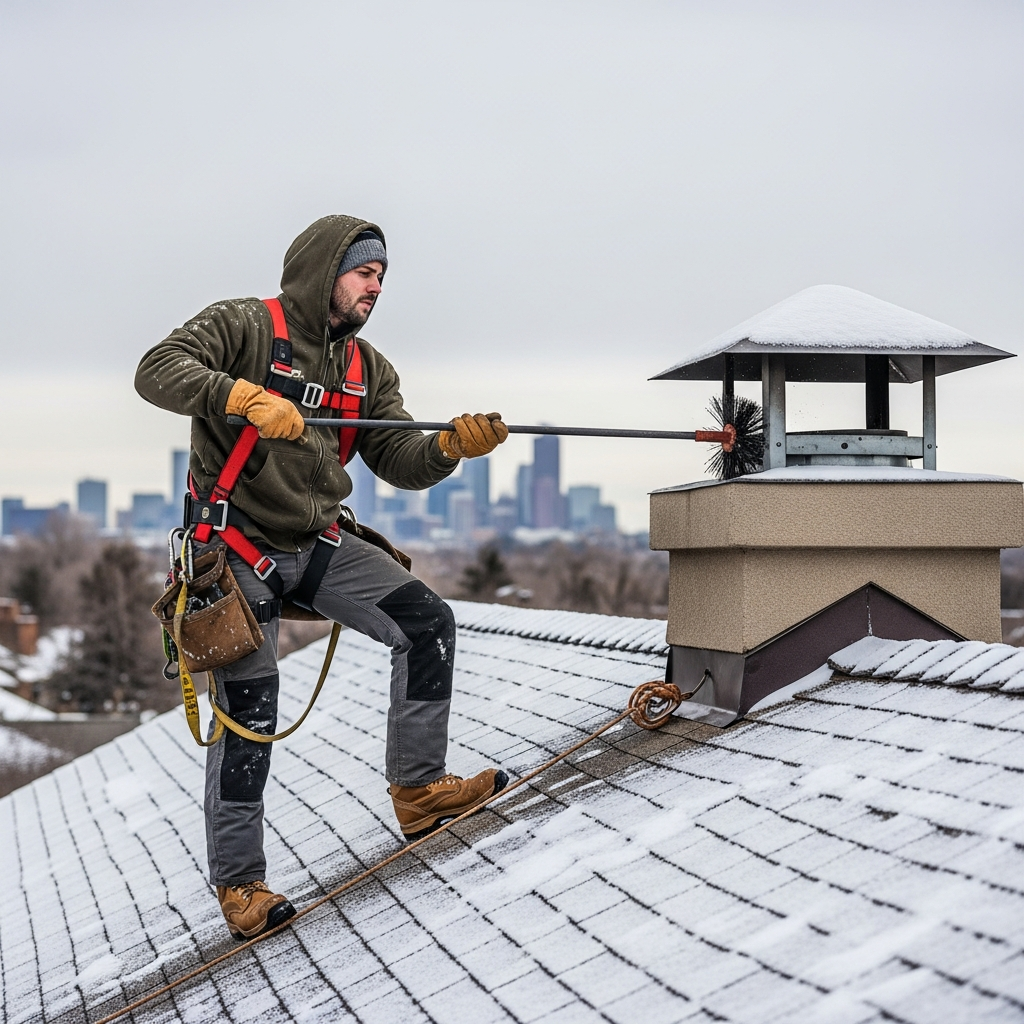
Our weather works on chimneys in subtle and not-so-subtle ways. Masonry crowns can develop hairline cracks during freeze-thaw cycles, then shed tiny amounts of water into the structure below. Flashing may separate slightly where it steps against brick, opening a pathway for moisture. Strong winds carry debris into caps and screens or rattle chase covers on factory-built systems. Over time, these small stressors shape how safely and efficiently a chimney moves exhaust. Regular inspections catch changes early, when interventions are usually simpler.
Altitude plays a role in frequency as well. The thinner air in Denver alters draft characteristics compared to sea level. Gas appliances can exhibit different condensation and soot patterns, while wood-burning systems may build creosote differently than you expect. An annual check essentially recalibrates your understanding of how the system is behaving this season, not last year or the year before.
Usage Patterns that Influence Timing
Light, occasional use still warrants a yearly look because weather, rather than use alone, can drive change. For moderate to heavy wood use, a mid-winter inspection provides peace of mind before the coldest stretch. If you are a new homeowner and do not know the system’s history, schedule an inspection before your first fire season, even if the seller provided paperwork. Verification under your roof is invaluable and sets a baseline for future comparisons.
Gas units deserve attention, too. Their clean flames can hide venting issues, gasket wear, or condensation patterns that invite corrosion over time. A yearly inspection verifies that exhaust is exiting properly, that glass and gaskets are intact, and that clearances around the unit remain safe.
Life Events and After-Event Inspections
Several triggers should move you to schedule outside your normal cadence. If you change a connected appliance, such as adding an insert or altering a furnace or water heater that shares a vent path, book an inspection. If you experience unusual odors, persistent smoke spillage, or see staining around the mantle, do not wait. After severe wind or heavy snow, it is smart to confirm that caps, crowns, and flashing are intact. And if you have completed a remodel that tightened the home’s envelope, an inspection can verify that indoor air balance still supports safe drafting.
Buying or selling a home also calls for a focused look. An inspection during a real estate transaction documents system condition for both parties and can prevent surprises after move-in. In older neighborhoods, this is especially valuable because systems may have been modified multiple times over the years.
What a Regular Inspection Provides
Each visit offers more than a pass-fail result. It builds a record that helps you and your inspector spot trends over time. The report’s photos and notes create a baseline, so if a small crown crack appears one year and expands the next, the change is documented. If flashing starts to separate after a harsh winter, you will see it in the images. With that continuity, maintenance becomes proactive rather than reactive.
Good inspectors also tailor guidance to your habits. If you enjoy a fire on weekends during the shoulder seasons, you may hear tips on fuel selection and burn technique that reduce creosote buildup. If you use a gas insert primarily for ambiance, you will learn how to monitor glass and gasket condition and what subtle changes to watch for. That kind of practical advice is a direct benefit of keeping a regular inspection schedule with a local Denver team.
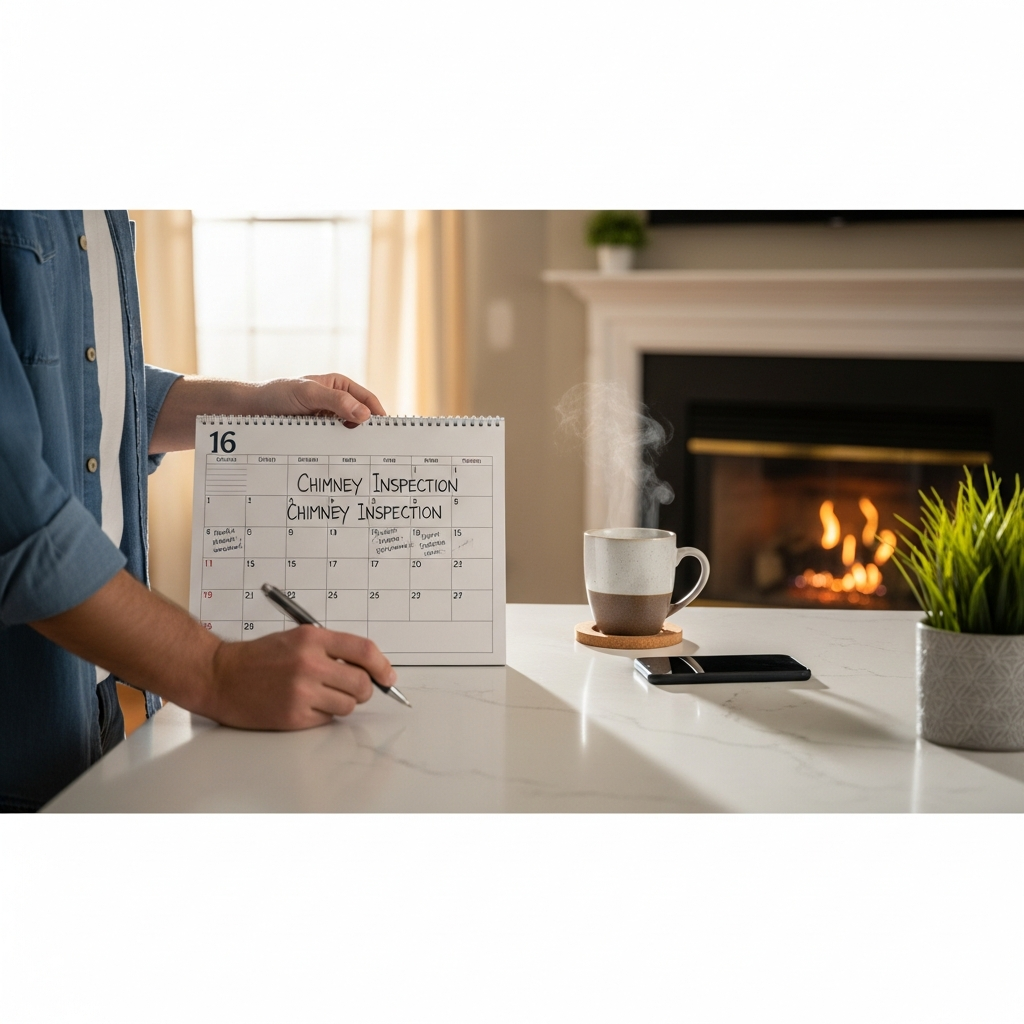
Planning Your Inspection Calendar
Think seasonally. Late summer and early fall are ideal because schedules are more flexible and roofs are generally dry. If you burn heavily, consider a follow-up in mid-winter or early spring to evaluate creosote patterns and venting behavior. If you notice a new symptom—say a downdraft odor on windy days—do not wait for your annual date. A quick check now may save you frustration later.
As you map out timing, it helps to compare offerings and scope with established Denver chimney inspection services. Understanding what is included, how documentation is handled, and how results are communicated sets expectations and keeps your schedule on track.
What to Expect at the Appointment
The visit typically starts with a conversation at the hearth, covering use patterns, any recent changes to the home, and symptoms you have noticed. The inspector protects the work area, examines accessible interior components, and evaluates exterior elements such as masonry, cap, crown, and flashing. If internal imaging is part of the scope, you will see a camera used to document liner conditions. Before leaving, the technician explains preliminary findings and when to expect your written report.
Frequently Asked Questions
Is an annual inspection really necessary if I barely use the fireplace?
Yes. Weather, animals, and small changes to building materials can create issues even in low-use systems. A yearly check is your best assurance that the chimney is safe and ready when you want it.
Do pellet stoves and gas fireplaces need inspections as often as wood-burning ones?
They do. While fuel types differ, venting and gasket integrity still matter. An annual check verifies proper exhaust and reveals wear you might not notice day to day.
Should I schedule before or after the heating season?
Before the season is ideal so you enter winter with confidence. If you burn heavily, a mid-season or post-season follow-up can be helpful to assess creosote and draft behavior.
Will weather affect my appointment?
Possibly. Roof portions of the inspection may be rescheduled during snow, ice, or high winds, but interior evaluations can still proceed with exterior follow-up when it is safe.
What if I just bought a home?
Schedule an inspection before your first use. Even with seller documents, verifying the system under your roof establishes a baseline for future comparisons and helps you understand how it behaves at our elevation.
If it has been a while since your last check, there is no better time to get back on schedule. Book your appointment with a Denver team that values clarity, safety, and consistent follow-through. Reach out now to arrange your annual annual chimney inspection services and enjoy the season with peace of mind.