Finding a Trusted Chimney Inspection Near You in Denver
When you search for a trusted chimney inspection near me in Denver, what you are really looking for is confidence. Confidence that the technician arriving at your door will treat the property with respect, follow industry standards, and translate technical findings into clear guidance you can use. In a city where winter can arrive overnight and spring storms blow hard across the foothills, that trust matters. Starting your search with proven local providers of chimney inspection services sets the tone for a smooth, informative visit.
Trust is built on more than a friendly voice on the phone. It comes from training, repeatable processes, consistent documentation, and a culture of safety. In practice, that means a team that confirms appointments, arrives on time, walks you through what they will evaluate, and protects your floors and furnishings before tools ever come out of the van. It means a technician who explains what they are seeing in the firebox, the throat and smoke chamber, the liner, and at the cap and crown—then supports those observations with photos or video so you do not have to rely on memory or jargon.
What Defines “Trusted” in the Denver Context
Denver homes cover a wide range of ages and build styles. What inspires confidence in this market is a company that is comfortable with it all: historic masonry in Baker and Congress Park, newer factory-built systems in Central Park, and mountain-adjacent properties that see stronger winds and colder nights. Familiarity with local code adoption and common construction details—like how flashing is stepped against brick or how chase covers age in the sun—allows inspectors to anticipate likely trouble spots and dig deeper where it counts.
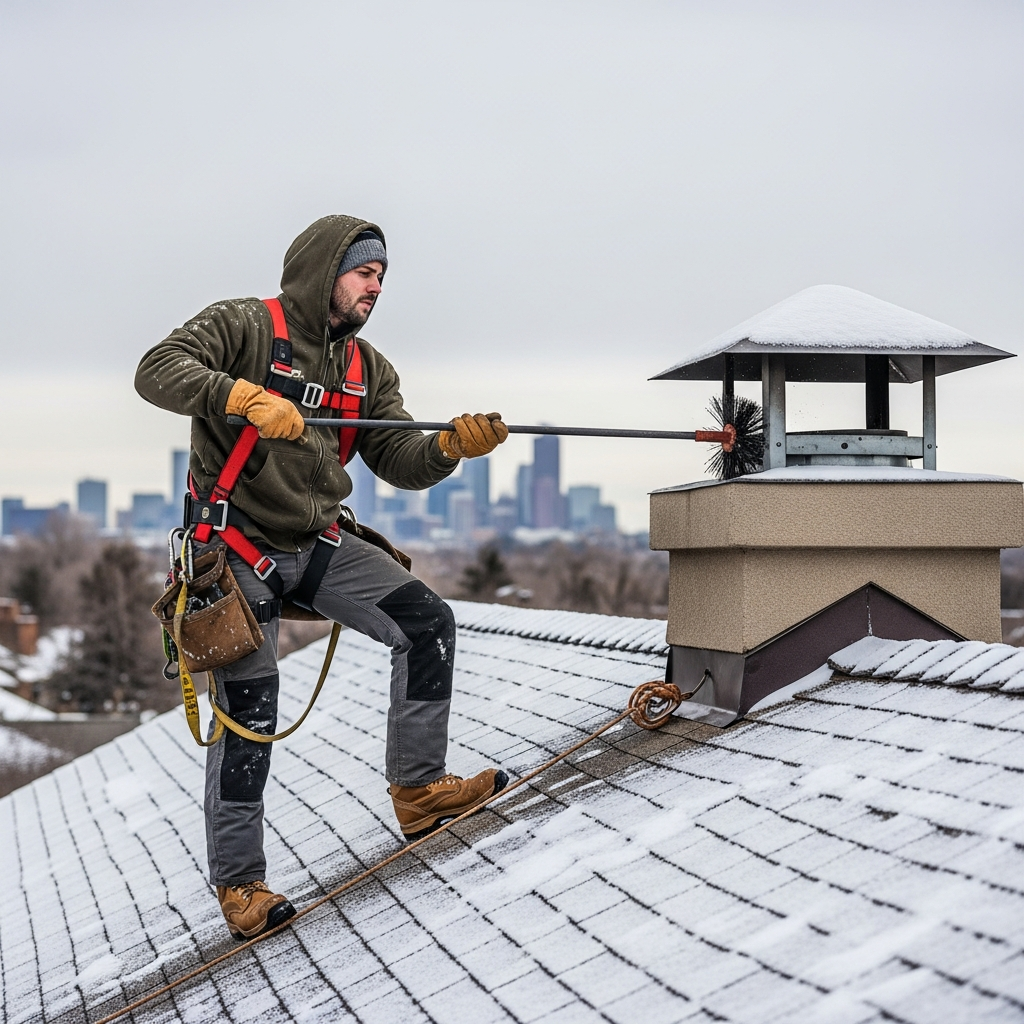
Trusted outfits emphasize safety, especially with roof access. You should see harnesses and anchors on steep pitches, clear ladder placement, and an orderly workflow that respects your landscaping. Inside, you should notice protective runners, drop cloths, and containment where needed. None of these touches are glamorous, but they speak volumes about a team’s professionalism and the pride they take in the work.
Communication That Makes the Difference
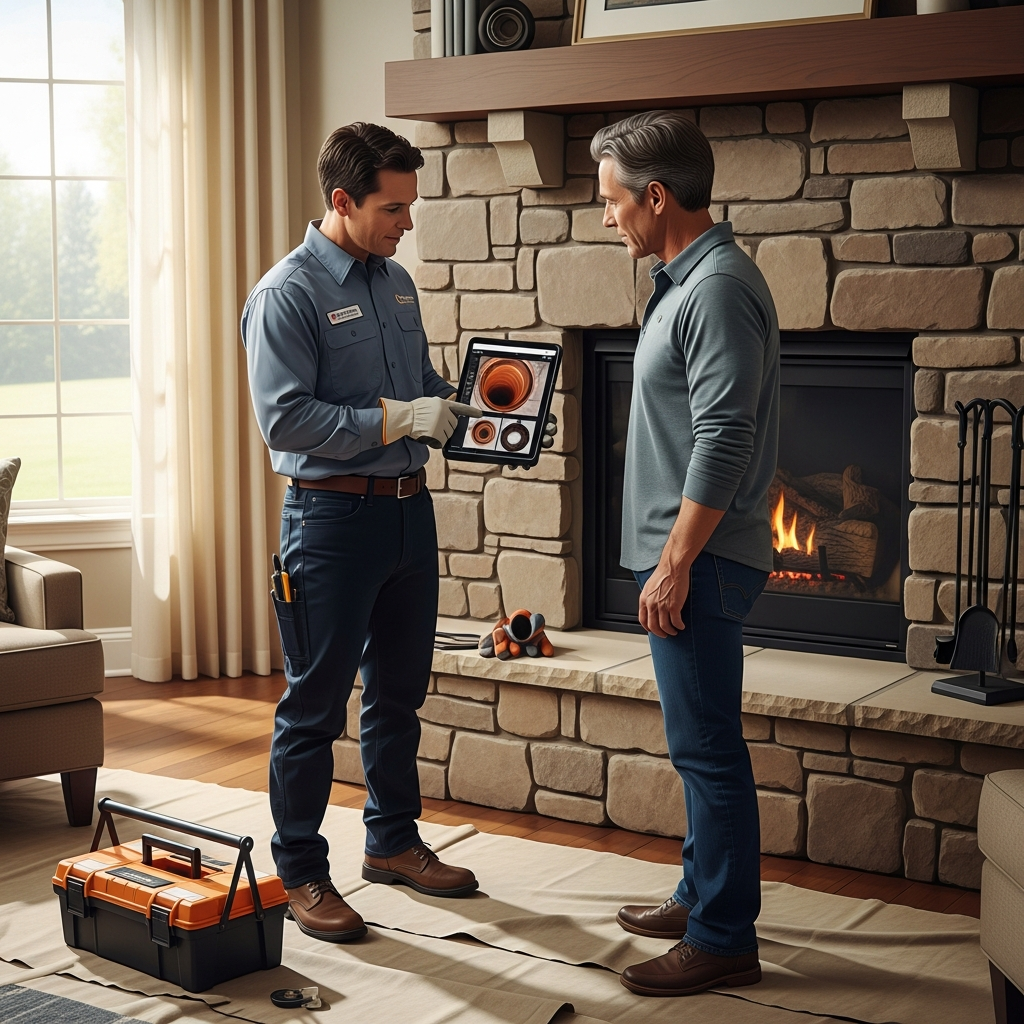
In my experience, the most telling moment in an inspection happens when the tech turns the tablet around and begins walking you through images. That narrative—here is the crown, here is the hairline crack, here is the evidence of moisture wicking into mortar joints—transforms a mysterious structure into understandable parts. When you hear references to established standards and manufacturer instructions, you can feel the difference between guesswork and disciplined assessment. Trusted companies invite questions and encourage you to accompany them for a look from the ground or at the hearth so the report makes sense later.
Dependable service also shows up after the appointment. A clear, written report that arrives when promised gives you a roadmap for maintenance or repairs. If the inspector recommends changes, you should understand why and which steps are most important. In a high-elevation city like Denver, where draft and combustion behave a bit differently, that context matters so you make informed choices about burning practices, make-up air, and appliance settings.
Why Local Knowledge Helps
Denver’s weather pattern is famously quick to change, and that can alter how a chimney performs from one week to the next. Freeze-thaw cycles can open new cracks in crowns, lift flashing, or loosen mortar faces. Gusty chinooks can scatter debris into caps and screens. Smoke behavior in high, dry air does not always mirror the textbook; a trusted inspector who has seen hundreds of local systems can spot when a symptom is ordinary for our climate versus a sign of something that needs attention.
Neighborhood history matters, too. Pre-war homes often reveal older lining strategies or partial retrofits. Post-war ranches sometimes feature added gas inserts with venting that deserves a careful second look. Newer townhomes may have multi-story chases with offsets the original builder never expected to service frequently. The inspector you invite should be fluent in this “Denver dialect” of construction.
Choosing a Company You Can Rely On
Start by confirming that any provider you consider carries appropriate insurance and follows recognized standards for inspection levels. Ask to see sample reports so you know what kind of documentation you will receive. Find out whether camera scans are part of the process and whether you can expect image annotations. These small steps quickly sort companies that are invested in transparency from those that are not. Along the way, it is helpful to benchmark offerings against established Denver chimney inspection services so you can compare like with like.
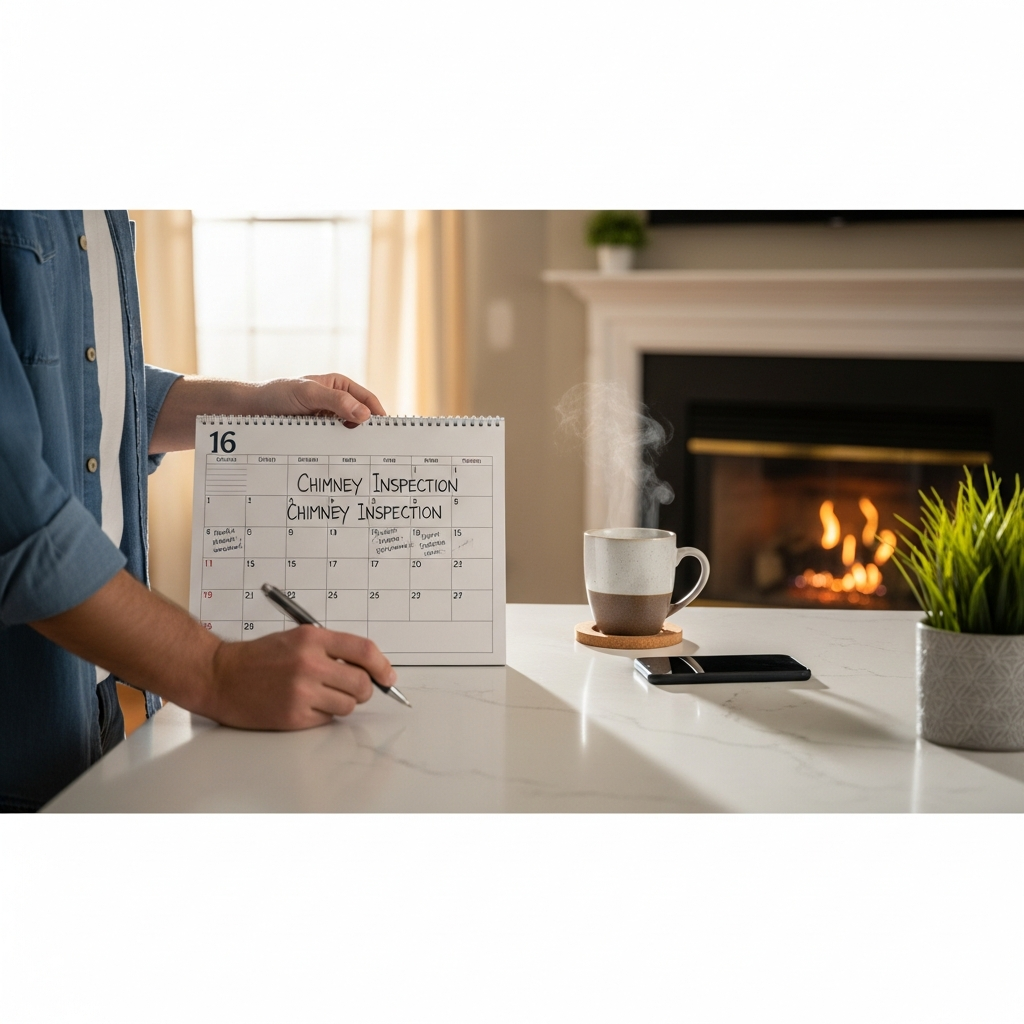
Scheduling wise, Denver’s busiest months fall as the first cold fronts arrive. If your calendar allows, book earlier in the fall to secure the time slot you want, or plan for a mid-morning visit after roofs have dried from overnight frost. If severe weather is in the forecast, expect a proactive call to reschedule roof portions of the visit for safety.
What to Expect on Inspection Day
The appointment typically starts with a conversation at the hearth. You will review the system’s use history, any draft or odor concerns, and recent changes to the home that could affect air movement. The inspector will protect the area, then examine accessible components inside before moving outdoors to evaluate masonry, flashing, caps, and crowns. If the scope includes internal imaging, you will see camera equipment used to capture the inside of the flue. Before leaving, a trusted technician explains preliminary findings and when to expect your written report.
Frequently Asked Questions
How often should I have my chimney inspected?
At least once a year is the general standard, even if you only burn occasionally. Denver’s climate can change conditions in a single season, so annual visits are the best baseline for safety.
Do gas fireplaces need inspections, too?
Yes. Gas units can develop venting issues, gasket wear, and condensation problems that are easy to miss without a trained eye. Inspections verify safe exhaust and overall system performance.
Will the technician go on the roof?
Most complete inspections include exterior and roof evaluations when it is safe to do so. Weather, pitch, and surface conditions can affect roof access, but inspectors plan for a thorough look at caps, crowns, and flashing whenever possible.
What if I have a condo or townhome?
Shared walls and multi-story chases introduce extra variables. Trusted inspectors coordinate access, review HOA guidelines, and verify how each unit’s venting interacts so the report reflects real-world conditions.
What kind of report should I expect?
Look for a clear narrative with photos, references to standards, and prioritized recommendations. The best reports help you understand what to do now, what to monitor, and why.
If you are ready for peace of mind before the next cold snap, choose a Denver team known for clear communication and careful work. Reach out today to schedule trusted chimney inspection services and enjoy your fireplace with confidence all season long.