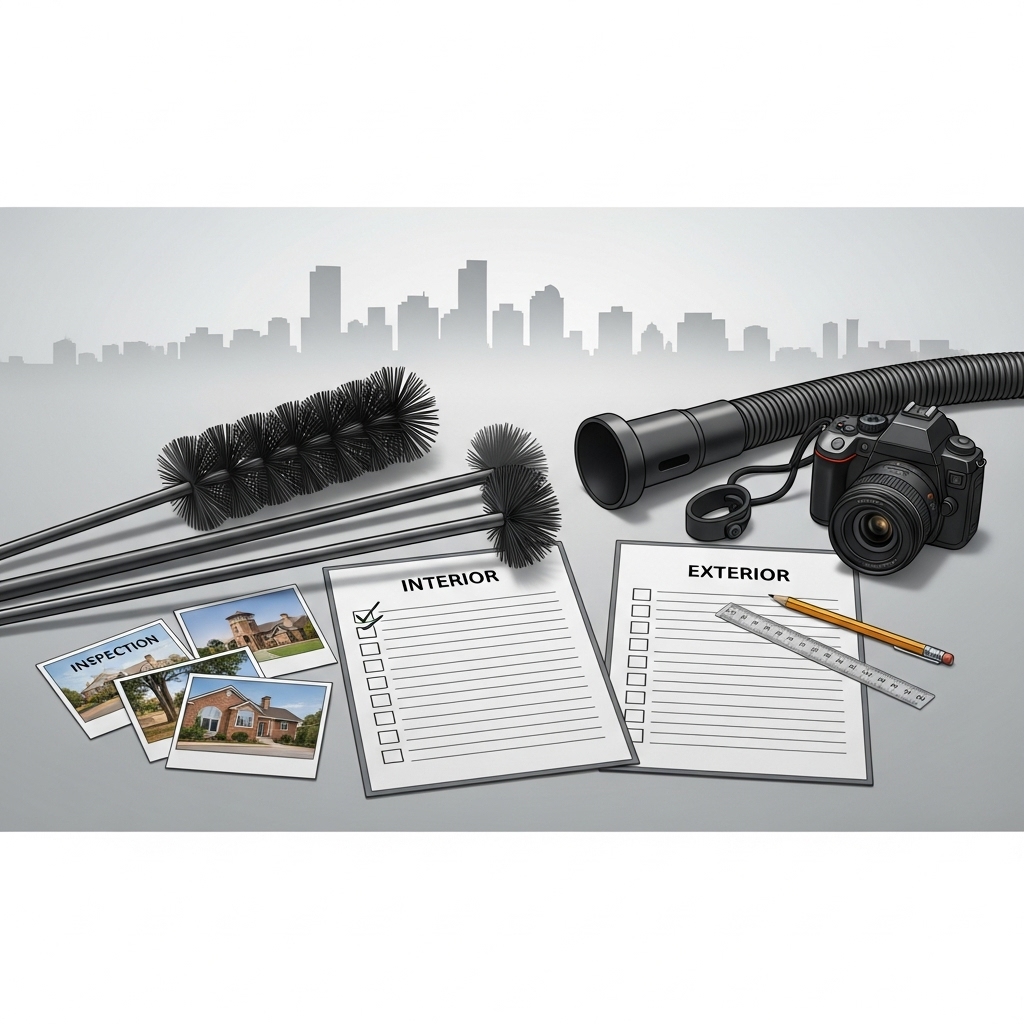

Winter arrives in Denver like a swift switch at altitude: one week you are enjoying a sunny afternoon on the patio, and the next you are brushing snow from the rails while the mountains hide behind flurries. That first sustained cold snap is when most homeowners rediscover their fireplaces and stoves, and it is also when the hidden weaknesses in a chimney reveal themselves. Getting your chimney professionally inspected before winter is not just a good idea; it is essential. The combination of freeze-thaw cycles, gusty chinook winds, and extended burning hours puts more stress on venting systems from November through March than at any other time. To stay ahead of the season, make a point of booking thorough chimney inspection services before the first deep freeze so your system is ready for performance and safety when you need it most.
Cold weather changes how chimneys behave
When outside temperatures drop, draft generally improves because the warm air in the chimney rises more forcefully relative to the cold outdoor air. That can be a good thing: fires light faster and burn cleaner. But cold weather also magnifies any existing restrictions or defects. A partially blocked cap that seemed fine in October may become a choke point in January once condensation and frost accumulate. Mortar joints that looked hairline during a fall walk-around can widen and admit more moisture after a few freeze-thaw cycles, seeding future spalling and letting cold air leak down the flue. An inspection spots those brewing issues so that fixes happen before you are relying on the system every evening.
The science of draft matters especially in modern, tight homes. Exhaust fans, range hoods, and even clothes dryers pull air out and can create a negative pressure that competes with your fireplace. On a stormy night, those dynamics can cause downdrafts, smoke spillage, or persistent odors. A pre-winter inspection evaluates damper operation, looks for obstructions, and confirms that the chimney termination rises to an appropriate height relative to the roofline and nearby structures so wind eddies cannot push smoke back down into the living space.
Creosote and condensation: a winter cocktail
Denver’s winters are cold, but the sun can be intense during the day. That means chimneys see wide swings in temperature over just a few hours, and those swings influence how deposits form. If you burn wood that is not fully seasoned, the water vapor and organic compounds condense on cooler flue surfaces as creosote. Early in the season, especially when homeowners are getting fires going with damp kindling or small, smoldering loads, creosote accumulates quickly. An inspection before heavy use measures what is present and, if needed, pairs with a cleaning to reset the system for the season. That clean baseline dramatically reduces the chance of a midwinter chimney fire and ensures the appliance’s air controls work as designed.
Gas appliances have their own cold-weather risk: condensation. If a gas furnace or insert vents into an oversized, cold masonry chimney without a correctly sized liner, the exhaust can cool too quickly, leading to water vapor condensing on flue walls and carrying acidic byproducts that corrode metal and masonry. Pre-winter inspections identify these size mismatches and recommend solutions so your gas appliances vent dry and safely all season long.
Snow, wind, and water find every weakness
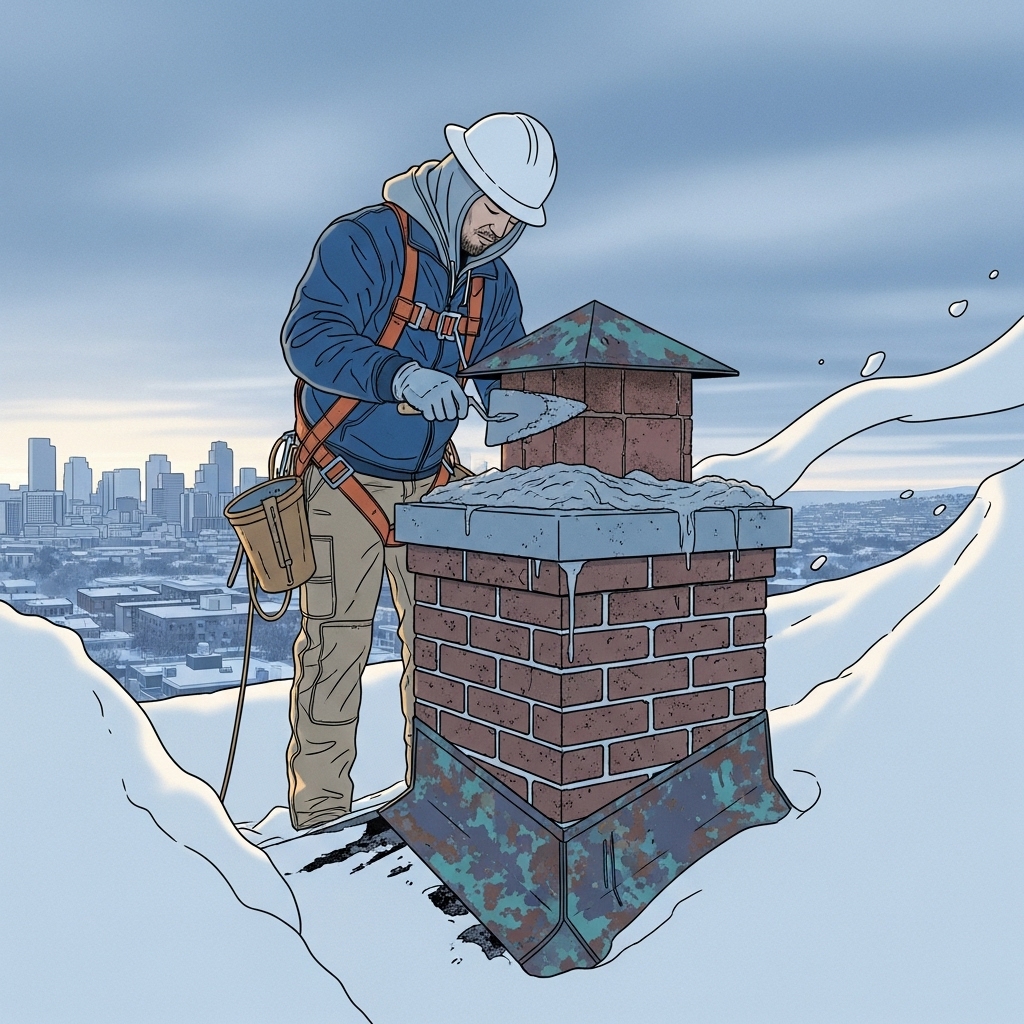
A good cap and a sound crown or chase cover are your first line of defense against snow and wind-driven rain. In Denver’s winter storms, moisture rarely falls straight down. It swirls, piles, and refreezes, and ice can creep beneath a loose flashing leg or into a hairline crack. Once there, expansion does the rest. Before winter, an inspector will look closely at the crown’s slope and integrity, confirm that the cap sheds water and blocks wildlife, and verify that the flashing where the chimney meets the roof is tight. These details keep water out of the chimney structure and, equally important, out of your attic and ceilings, where a slow leak can go unnoticed until a stain blossoms during a spring thaw.
Wind is another factor. Denver’s chinooks can rattle caps and push against poorly supported flue terminations. If a cap is undersized, deformed, or missing its spark arrestor mesh, embers can escape or birds can enter and nest. Before winter, those vulnerabilities are easy to address. After the first big storm, they become urgent repair calls. A proactive inspection stays ahead of the weather and the schedule crunch that follows it.
Performance tuning for comfort
Lighting a fire should feel simple: stack the wood, open the damper, and enjoy. If you find yourself fussing with kindling, cracking a window, or fighting smoke in the room, a pre-winter inspection can be transformative. Inspectors look at smoke chamber geometry and surface roughness, damper seal quality, and flue size relative to fireplace opening. When smoke chambers are rough or stepped, turbulence slows exhaust and encourages smoke to roll out the hearth. Parging those surfaces smooths the path. When dampers do not seal, your home loses warm air up the flue around the clock. A top-sealing damper can reduce that standby loss significantly while improving start-ups because the column of air in the chimney stays closer to room temperature between fires.
For manufactured fireplaces and direct-vent gas units, performance tuning means confirming the venting configuration matches the manufacturer’s listing, that terminations are clear of drifting snow, and that gaskets and glass are clean and intact. Winter is the season when a small misalignment or a slightly dirty pilot assembly stops being a minor annoyance and becomes the reason a living room is cold on a holiday morning.
Make time now, avoid the rush later
Every year across the Front Range, the calendar fills as soon as the first serious snowfall is in the forecast. The calls are predictable: smoke is coming back into the room, a bird is trapped in the flue, water stains appeared on the ceiling near the chimney, or the gas insert keeps shutting off. Many of these problems were seeded months earlier by a missing cap, a cracked crown, a nest, or a broken tile. Scheduling ahead with comprehensive chimney inspection services is the antidote to that scramble. You pick the timing, you have the bandwidth to review recommendations, and you can combine any needed fixes with other pre-winter maintenance like roof checks and furnace tune-ups.
Level 1, Level 2, and what you really need before winter
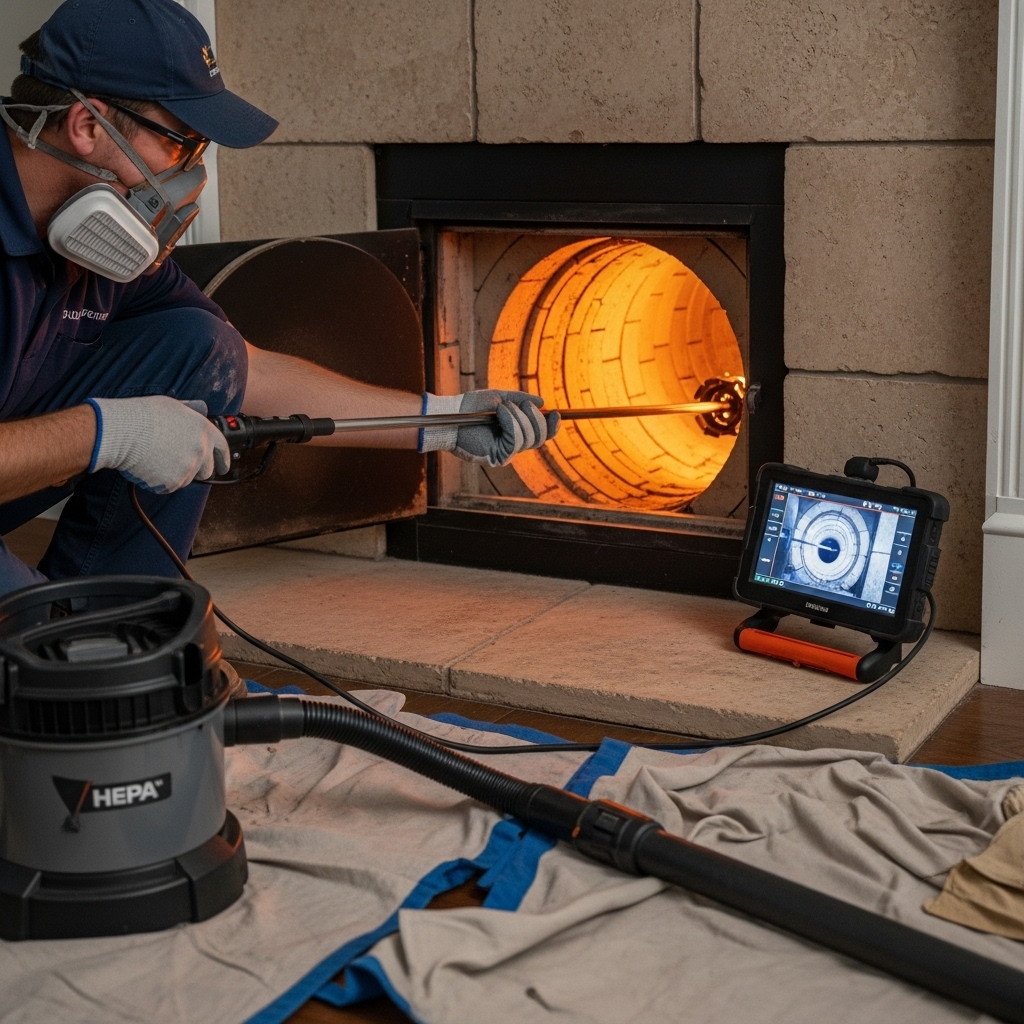
Most homeowners heading into winter benefit from a Level 1 or Level 2 inspection. If you have not changed your use and the system performed well last season, a Level 1 may be sufficient: it covers readily accessible areas of the chimney, appliance, and connector. If you changed appliances, bought or sold the home, experienced hail, or had any performance issues, a Level 2 is smart. It adds video scanning and examines accessible areas in attics, crawl spaces, and basements so you can see the condition of the flue from top to bottom and verify that clearances to combustibles are maintained wherever the chimney runs through the structure.
What you can do to prepare
In the week leading up to your appointment, burn seasoned wood if you are still using the fireplace and avoid smoldering fires that load the flue with damp smoke. On the day of the inspection, let the system cool fully and move fragile items from the hearth area. Make note of any smells when humidity spikes, any persistent drafts from the fireplace when it is idle, or any times smoke rolled into the room. Those observations help the inspector focus on likely culprits—an unsealed throat, a warped damper, or a short termination relative to a nearby ridge—and translate to faster, more accurate recommendations.
The peace of mind dividend
It is hard to overstate the comfort of knowing your fireplace and chimney are ready for the season. When the first heavy snow hits Washington Park or the Highlands and the city quiets under a soft white blanket, you can light a fire without a second thought. You are not listening for odd sounds at the cap or wondering whether that faint odor is normal. You know the cap is secure, the crown is sound, the liner is intact, and the damper works. That confidence is the real product of a smart pre-winter inspection.
Frequently Asked Questions
How early should I schedule a pre-winter chimney inspection?
Late summer to early fall is ideal. You beat the rush, and if the inspection reveals repairs, there is time to complete them before routines ramp up and before early storms make roof access more complicated.
Do wood stoves need inspections as often as open fireplaces?
Yes. Wood stoves often operate longer hours and at higher efficiencies, which can create different creosote patterns. Annual inspections verify clearances, connector pipe condition, and proper draft, and help ensure gaskets and baffles are doing their jobs.
What if I rarely use my fireplace?
Even if you only light a few fires a year, animals can nest, dampers can corrode, and crowns can crack. Gas appliances that share a chimney may still be venting through the same structure. An annual inspection protects against surprises the one time you really want to use the system.
Can an inspection improve indoor air quality during winter inversions?
Yes. Inspections catch partial blockages and poor draft conditions that push smoke into the room. They also verify that caps and terminations are functioning, which helps exhaust rise and disperse properly rather than recirculating near the roofline.
Is it safe to use the fireplace before an inspection?
If you used it safely last season and have noticed no issues, light, short-duration fires may be acceptable while you wait. But the safest course is to wait for the inspection, especially after hail, roof work, or long periods of disuse when animals may have nested.
What happens if the inspector finds a serious problem?
You will receive clear documentation with photos or video, an explanation of the concern, and practical options to address it. The goal is a plan that restores safety and performance in a way that fits your timeline and how you use the system.
Call to action
Before winter takes hold across Denver, put chimney safety and performance at the top of your checklist. Book trusted chimney inspection services now so your fireplace or stove is ready for snow days, holidays, and every cold night in between.