
Getting Your Chimney Winter-Ready in Denver
There is a particular feeling that arrives with the first real chill on the Front Range. It is part excitement for cozy evenings and part checklist for getting the house ready. At the top of that list for many Denver homeowners is the fireplace or stove. A winter readiness chimney inspection is your ticket to a safe, reliable season, and the best time to schedule it is before storms and deep freezes show up on the forecast. Starting early with established local chimney inspection services ensures you have time to address minor issues before they become mid-season headaches.
Denver’s winters can swing from bright, dry days to heavy, wet snows, with gusty winds cutting across neighborhoods from Green Valley Ranch to Berkeley. Those shifts put chimneys through paces. Masonry crowns experience freeze-thaw stress. Flashing where roof and chimney meet can lift during windy events. Factory-built systems rely on chase covers and support brackets that age in intense sun, then face snow loads a few weeks later. A winter readiness inspection accounts for these dynamics and zeroes in on the components most likely to be stressed once temperatures fall.
What a Winter-Focused Inspection Looks For
Think of it as a pre-season tune-up centered on safety and performance under cold, windy conditions. The inspector evaluates the firebox, smoke chamber, and damper to confirm they are moving freely and sealing as designed. The flue is documented, often with imaging, to assess liner condition, seams, and any offsets that could trap creosote or slow exhaust. Outside, caps, crowns, and flashing get special attention. A well-fitted cap keeps out animals and wind-driven debris. A sound crown sheds water and resists ice expansion. Proper flashing maintains a watertight seal where weather loves to intrude.
Draft behavior in winter differs from summer. Cold air can sit heavy in the flue, and a cold start on a still morning can push smoke into the room if the system is not primed. Inspectors look for signs that the chimney will establish draft efficiently, and they will often share techniques for warming the flue on frigid days. For gas units, they verify that venting remains clear, that gaskets and glass are intact, and that condensation is not causing unhelpful patterns on surrounding materials.
Denver-Specific Considerations
At our elevation, the thinner air changes how combustion and exhaust behave. Wood that burned perfectly during a mountain vacation might perform differently in a city bungalow. Add in the freeze-thaw cycle and strong chinook winds, and you have a recipe for conditions that change quickly. A winter readiness inspection tailored to Denver takes these factors into account, evaluating not just whether the system is intact, but also whether it is poised to perform in the coldest, windiest weeks of the year.
Construction variety across the metro also influences the checklist. Older brick chimneys can show subtle mortar recession or efflorescence after last winter. Newer homes with factory-built systems rely on chase covers that need to be snug and free of rust or deformation. Multi-flue stacks common in certain neighborhoods merit extra time because each flue can behave differently in winter, especially when one serves a wood appliance and another serves a gas furnace or water heater.
Timing Your Appointment
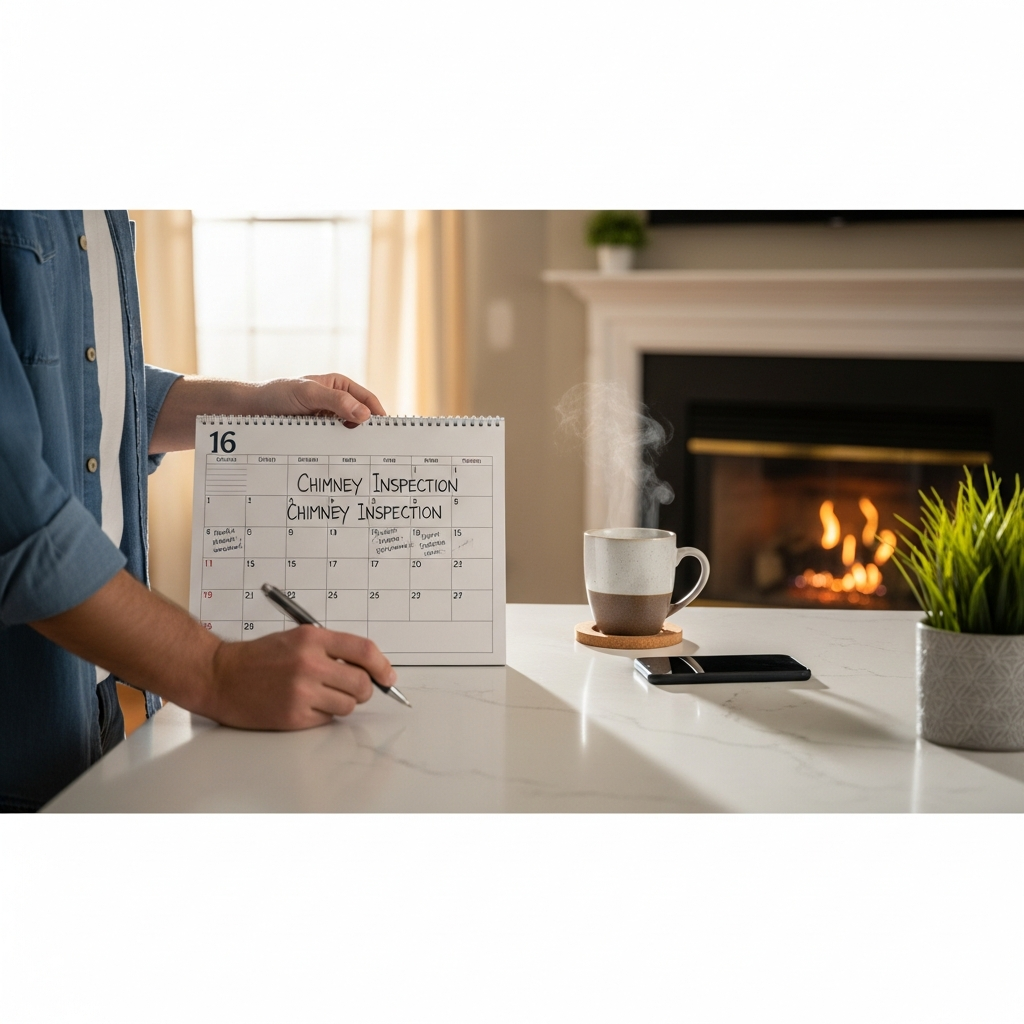
Early fall is ideal. You beat the rush, secure a convenient time slot, and give yourself breathing room for any follow-up work. If you miss that window, do not wait—schedule as soon as you can. Even a December inspection can improve performance and peace of mind for the remainder of the season. On the morning of your appointment, expect a confirmation call if the forecast includes snow or strong wind; roof safety is paramount, and reputable teams will adjust as conditions dictate.
Inside the home, preparation helps. Clear the hearth area, move fragile items, and make a note of any symptoms you have observed, such as new odors on windy days or a stubborn draft at start-up. Share your burn habits as well: how often you use the system, what kind of fuel, and whether you have changed anything since last winter. Those details help the inspector tailor recommendations.
Performance Tips You Will Hear
A good winter readiness visit ends with practical advice. For wood systems, that may include strategies for starting clean, hot fires, recognizing when wood is truly seasoned, and avoiding low, smoldering burns that create heavy creosote. You might discuss make-up air if your home is very tight, or small adjustments to how you crack a window or pre-warm the flue before lighting. For gas units, the conversation often touches on verifying the clarity of the vent path, paying attention to glass and gasket integrity, and noticing any unusual flame behavior that indicates service is needed.
The goal is not just a safe chimney, but an enjoyable one. When draft is strong and the system is tuned to the season, smoke clears quickly, odors are minimized, and the room warms the way you expect. When you combine careful inspection with a few simple habits, winter evenings become easy and comfortable.
Comparing Providers
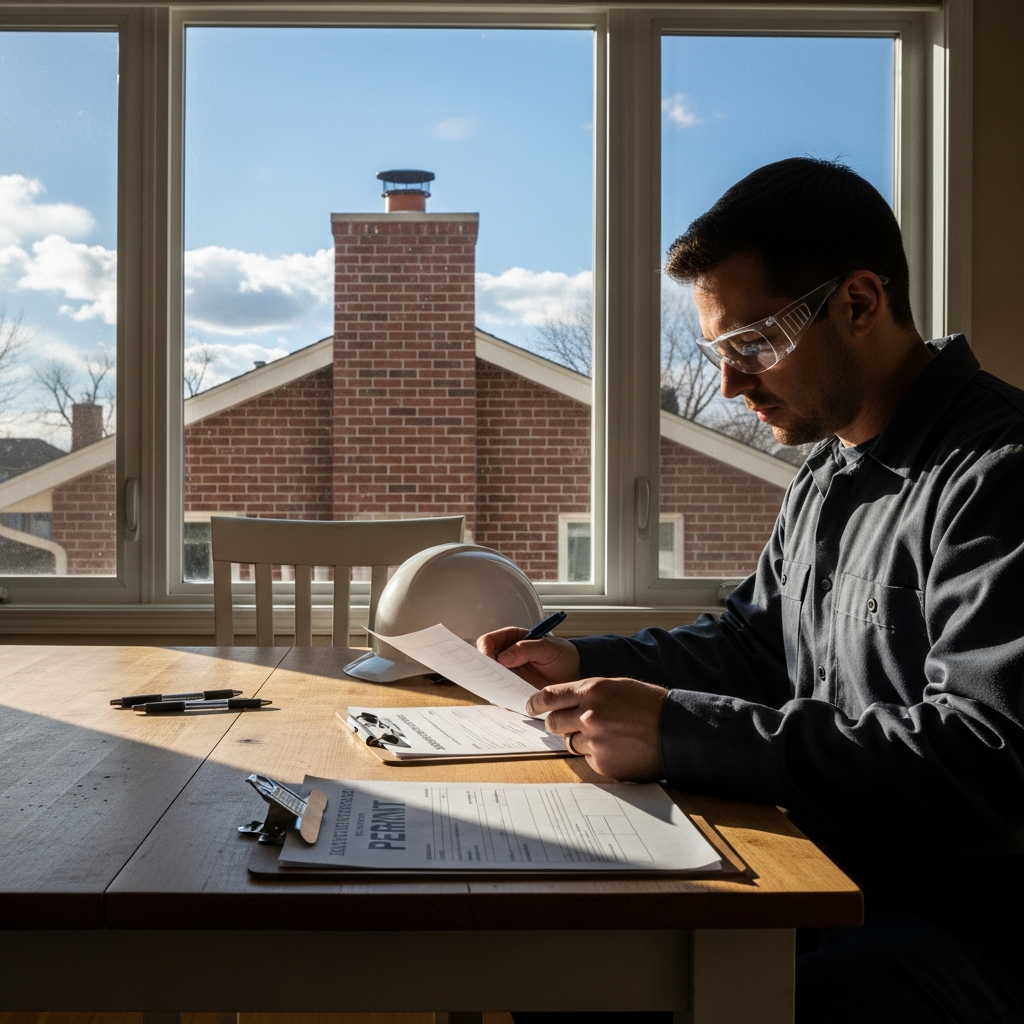
When you look for a company to handle winter readiness, focus on process and documentation. Ask whether camera scans are part of the inspection, how images are annotated, and how the report is delivered. Confirm insurance coverage and safety practices for roof work in icy conditions. On the scheduling side, find out how the team communicates if weather forces a change. These questions reveal a company’s professionalism quickly and help you choose confidently. It can also be helpful to study the scope of established Denver chimney inspection services so you know exactly what is included before you book.
After your appointment, a clear, timely report helps you prioritize any next steps. If minor sealing or part replacement is recommended, you will understand why and how it affects winter performance. If everything looks good, you will head into the season with the reassurance that your system is ready.
Frequently Asked Questions
When is the best time for a winter readiness inspection?
Late summer through early fall is ideal, but it is never too late. Even mid-season inspections can improve safety and performance for the remaining cold months.
Do gas fireplaces need a winter readiness check?
Absolutely. Gas units benefit from verification of vent clarity, gasket integrity, and overall system behavior in cold weather. Their clean flames can hide issues that only appear under winter conditions.
Will the inspector go on the roof in snow?
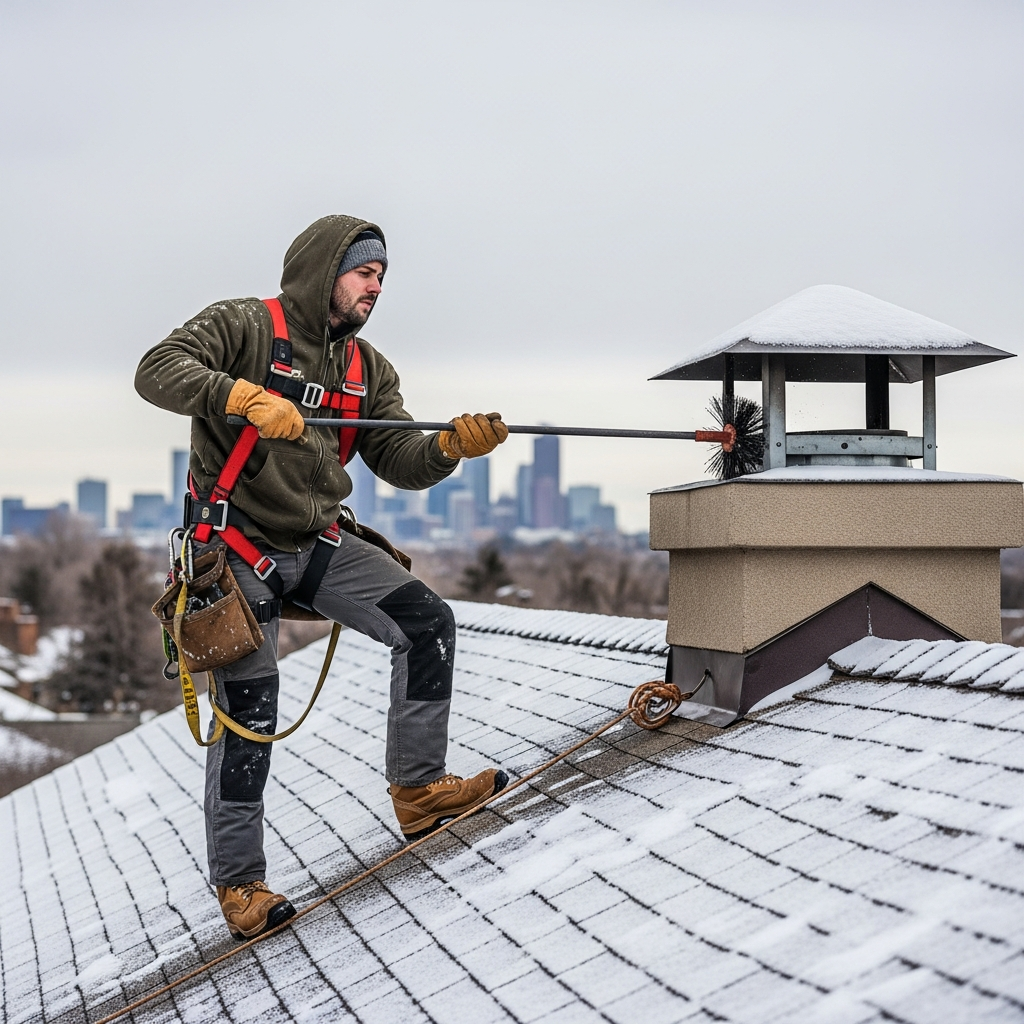
Only when it is safe. Reputable teams prioritize safety and may reschedule roof portions during snow, ice, or strong winds, completing exterior work when conditions improve.
What if I notice smoke spillage on cold mornings?
That is a common cold-start symptom. An inspection can verify that the flue is clear and offer techniques for warming the chimney to establish draft quickly on frigid days.
How should I prepare my home for the visit?
Clear the area around the hearth, secure pets, and note any symptoms you have observed. Sharing your burn habits and any recent home changes helps the inspector tailor recommendations.
If winter is around the corner and you want a season of safe, cozy fires, do not wait. Schedule a Denver-based winter readiness visit with a team that documents clearly, explains findings in plain language, and treats your home with care. Reach out today to book winter chimney inspection services so you enter the cold months prepared and confident.