
Every homeowner who calls after a storm or before winter asks a version of the same question: what will it take to get my chimney back in shape, and how do I plan for it responsibly? In Denver, the right estimate is more than a number on a page—it is a roadmap that explains the condition of your system, outlines priorities, and shows how to reach a safe, durable result without surprises. A thoughtful estimate reflects real-world experience with our climate and construction styles, and it frames chimney repair as a series of smart decisions rather than a mystery handled out of sight on the roof.
Let’s start with what an estimate should accomplish. It should identify what is urgent, what is preventative, and what is optional. Urgent items are those that affect safety or allow water into the home: a missing cap, a cracked crown over the flue, an unstable section of masonry, or a flue liner concern. Preventative work addresses vulnerabilities that will predictably worsen in Denver’s weather, like marginal flashing or joints that are beginning to open on the windward side. Optional items might be aesthetic improvements or convenience upgrades such as a top-seal damper. When an estimate lays these out clearly, you can prioritize, phase work if needed, and move forward with confidence.
What Goes Into a Quality Chimney Repair Estimate
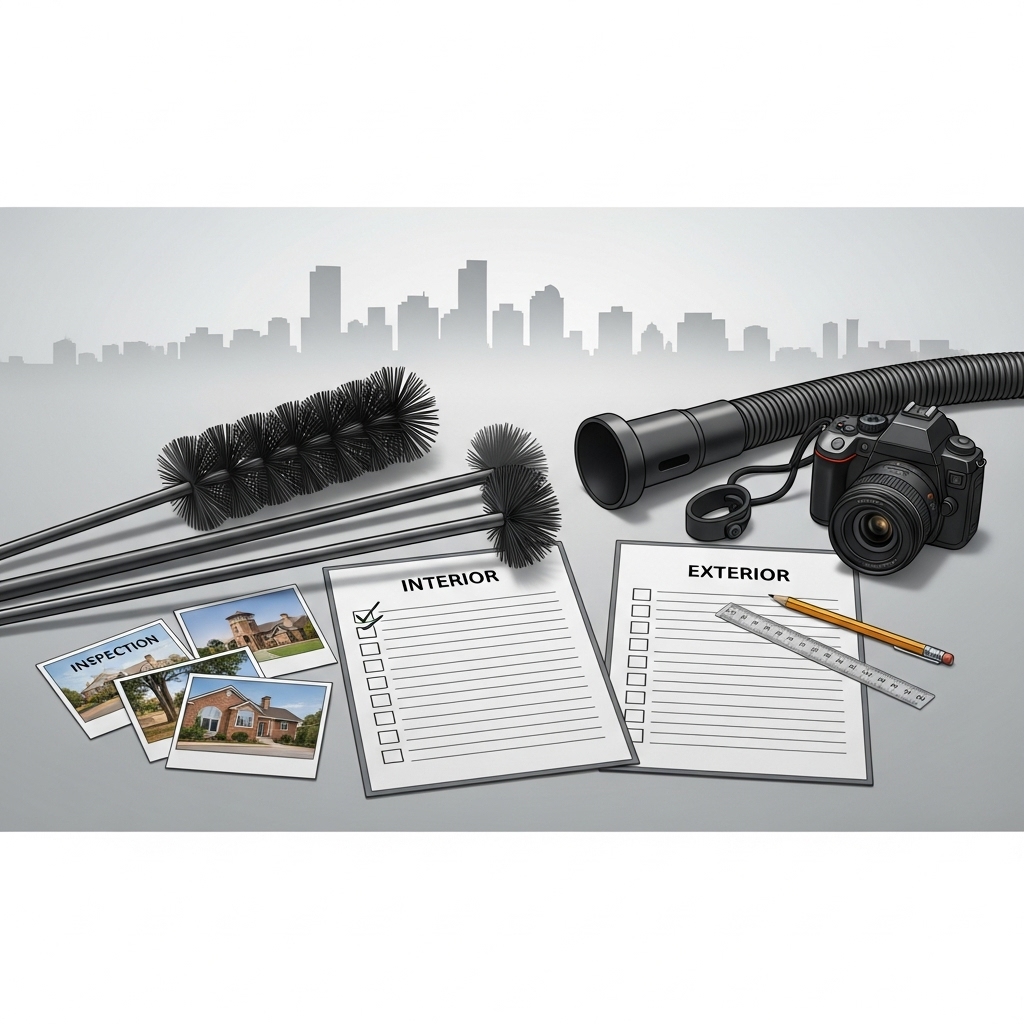
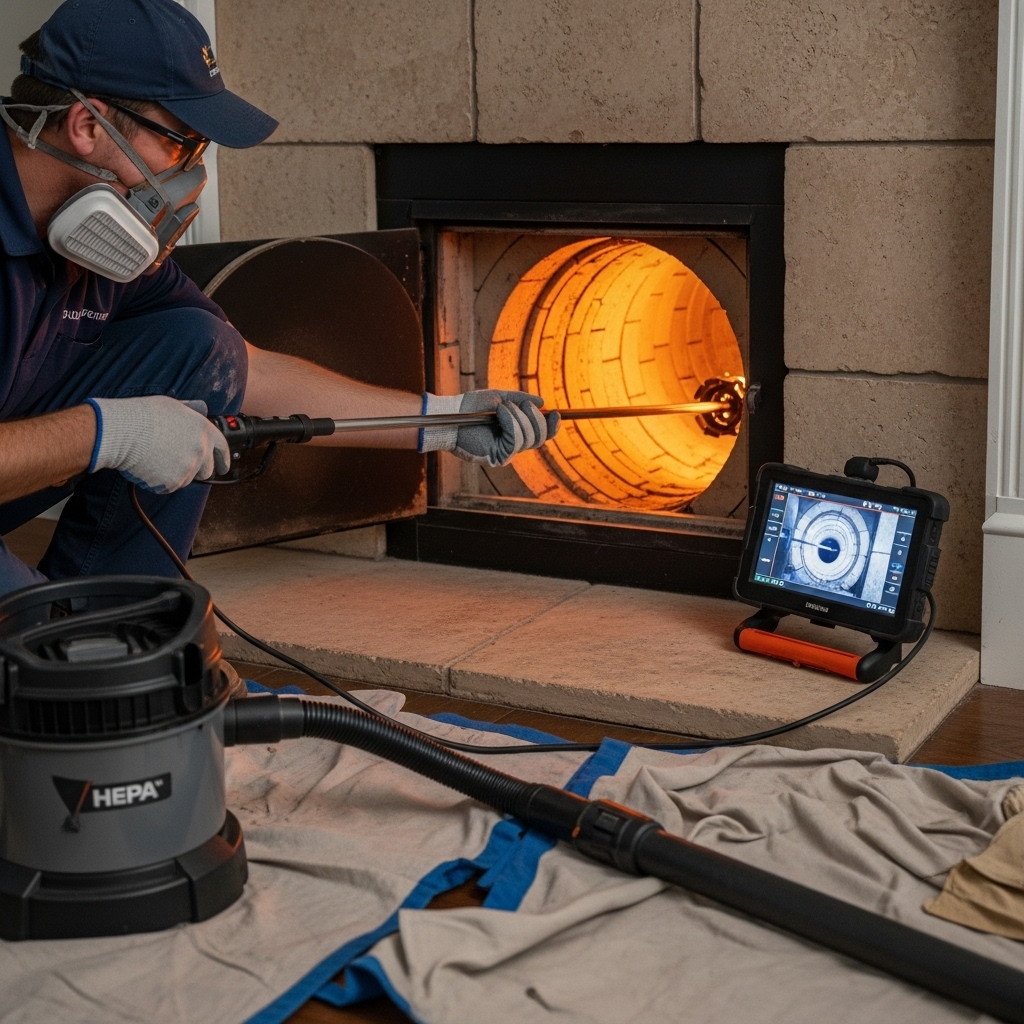
A site visit is the foundation. Photographs, moisture readings, and a rooftop inspection give a shared picture of conditions. We check caps, crowns, mortar, brick faces, flashing, and, where appropriate, run a camera down the flue. Inside, we test dampers, review the firebox, and inspect appliance connections if the chimney serves a furnace or water heater. This isn’t busywork; it’s the evidence that supports each line of the estimate. When you can see the crack, the open joint, or the water stain tied to a flashing gap, the plan stops feeling abstract and starts feeling like common sense.
Clarity in scope is next. Each recommended task should come with a description of methods and materials: rebuild crown with fiber-reinforced mix and drip edge; install heavy-gauge stainless cap sized to flue; tuckpoint selected joints on north and west faces; integrate new counterflashing into mortar joints; install stainless liner sized to appliance; or rework smoke chamber transitions for smoother airflow. These details are your assurance that the work is designed for longevity, not just a quick pass with sealant.
Denver Factors That Shape the Plan
Our weather dictates certain priorities. Hail and wind mean top assemblies—cap and crown—are critical. Freeze-thaw cycles reward compatible mortars and crowns with gentle slopes. Strong UV exposure encourages the use of stainless steel and careful selection of sealants. Roof geometry matters, too. Chimneys in valleys or near tall neighboring homes meet wind and water differently, and estimates should reflect those realities with appropriate flashing details or the addition of a cricket to direct flow.
Home age and construction type are equally influential. Historic brick may require softer, lime-rich mortars and gentle methods to preserve fabric. Newer homes often have factory-built flues with specific termination requirements. In both cases, the estimate should reflect the system you have, not just a generic fix. A one-size approach usually fits poorly.
Transparency Without Guesswork
Homeowners sometimes ask for a quick figure over the phone. It’s understandable—you want to plan. But chimneys are complex, and the same symptom can have different causes. A leak at the living room ceiling might be flashing, a crown crack, a brick joint, or a combination. Guessing invites disappointment later. A clear, documented site assessment leads to a better estimate and a better outcome. If there are unknowns—say, conditions that will be visible only after removing a cap or opening a small section of crown—those are noted up front with a plan for how any findings will be addressed.
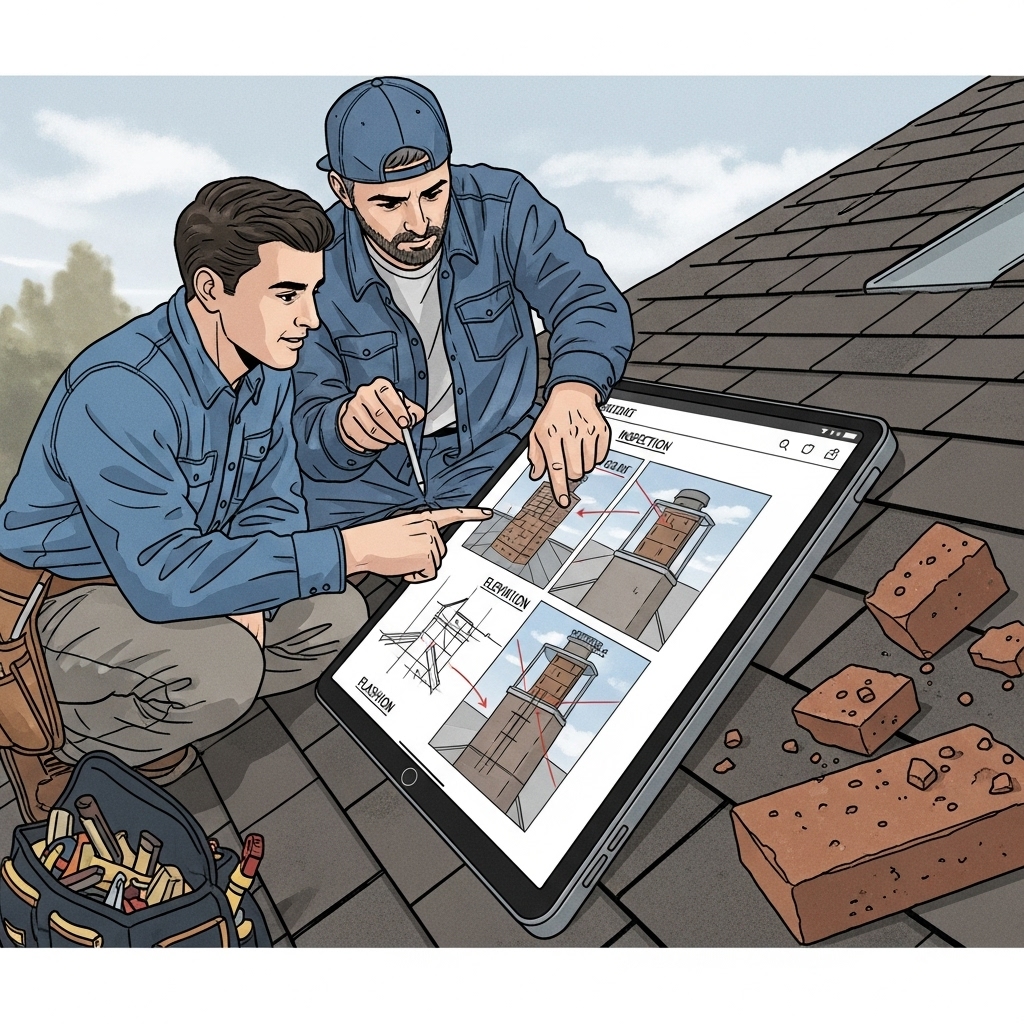
We also aim to eliminate jargon. When the estimate says “tuckpoint,” it should explain where and why; when it says “reline,” it should describe the liner type and what safety or performance issue it solves. Photographs labeled with arrows or short notes help, especially for roofline work you can’t easily see yourself.
Phasing Work to Fit Your Timeline
Not everything has to happen at once. An effective estimate can outline a sequence that addresses critical items first and schedules secondary work at a sensible interval. For example, you might stabilize a crown and install a cap now, then tackle tuckpointing and flashing improvements in early spring. This approach recognizes both weather and household schedules. It also aligns with Denver’s rhythms: get the top tight before hail and heavy summer rains, ensure joints and flashing are renewed before freeze-thaw returns.
Phasing isn’t just about timing; it’s about minimizing rework. We plan so that each step supports the next. There’s no sense in finishing tuckpointing only to return later and cut fresh counterflashing lines. Good sequencing conserves effort and protects the finished product.
Materials and Methods That Deliver Value
Value in chimney work comes from longevity and performance. Stainless steel caps with reinforced corners outlast thin-gauge alternatives. Crown mixes that include proper reinforcement and are shaped with a drip edge shed water efficiently. Compatible mortar ratios respect your masonry and resist cracking. Flashing that is truly integrated—stepped and counterflashed properly—beats any surface-level sealant approach. These choices might feel like details on paper, but they are the difference between a fix that holds and a fix that is back on your list next season.
Inside the flue, liners must be sized to the appliance and installed with attention to transitions and support. Top-seal dampers, when appropriate, control energy loss and improve comfort on cold nights. Each recommendation in a solid estimate has a clear purpose, and, taken together, they create a system that works in concert.
Communication and Trust
The easiest estimate to approve is one you fully understand. That’s why we welcome questions and walk you through photos and scope line by line. If an option exists—repair versus replacement, partial versus full—those choices are explained along with their implications for performance and future maintenance. Trust is built not only in what we recommend but in how we explain it, and in our willingness to adapt the plan to your goals while maintaining safety and durability.
After the work is complete, documentation matters too. Before-and-after photos, notes on materials used, and maintenance suggestions turn the estimate into a record for your home. The next time hail hits or the seasons turn, you’ll have a playbook to reference, not just a memory of what was done.
Comparing Estimates the Right Way
When you receive more than one proposal, look beyond the bottom line to the story each one tells. Does it address the specific conditions observed at your home? Are materials and methods described clearly? Is flashing integration included or is it a vague note about sealant? Are caps heavy-gauge stainless with welded seams, or unspecified metal? Does the plan consider Denver’s weather patterns—hail, wind, freeze-thaw—or is it generic boilerplate? These questions help you compare on substance, not just a headline figure.
It’s also fair to ask how unforeseen conditions will be handled and communicated. A good estimate establishes that process up front, so there are no surprises if a hidden issue is discovered mid-project. That clarity keeps a project on track and preserves trust.
What to Expect on Project Day
On the day work begins, you should know the sequence: setup, access, safety protections, and cleanup standards. Ladders and scaffolding are set carefully to avoid landscaping damage. Dust control is planned for interior work. We coordinate with you on appliance downtime and access needs. The crew should be able to point to the estimate and show where they are in the plan. That transparency turns a potentially disruptive day into a predictable one.
At completion, a walkthrough ties the work back to the estimate: here is the new crown with its slope and drip edge; here is the cap, squared and secure; these are the repointed joints; here is the reworked flashing; this is the liner termination; and these are your maintenance notes. That moment of clarity is as important as the repair itself.
Frequently Asked Questions About Estimates and Planning
Can you provide a quick estimate without a site visit?
We can share general guidance about typical approaches, but an accurate, reliable estimate requires seeing your chimney. The same symptom—like a leak—can have multiple causes, and a site visit prevents guesswork and surprises later.
What if hidden issues are discovered during the work?
The estimate should outline how discoveries are handled. We pause, document the finding with photos, explain options, and agree on next steps before proceeding. That process keeps you in control and avoids scope creep.
How do I prioritize if the estimate includes several recommendations?
Start with safety and water management: caps, crowns, unstable masonry, and flashing. Then move to preventative measures like tuckpointing and breathable repellents where appropriate. Optional upgrades come last. A good estimate will label these priorities clearly.
Is it better to repair or replace a damaged component?
It depends on condition and context. If a cap is lightly dented but secure, repair might be appropriate. If corrosion is widespread, replacement is smarter. The same logic applies to crowns and liners. The estimate should explain why a recommendation is made in your specific case.
How should I compare estimates from different companies?
Compare scope, materials, methods, and how each plan addresses the conditions documented at your home. Look for clarity around flashing integration, cap specifications, mortar compatibility, and sequencing. Choose the plan that best fits your chimney and Denver’s climate.
What kind of documentation will I receive?
You should receive photos, a description of materials used, and maintenance recommendations. This record helps with future planning, insurance needs, and resale questions.
When you’re ready to move from uncertainty to a clear, actionable plan, we’re here to help. We’ll assess your chimney, explain what we see, and map a sensible path forward that respects your home and Denver’s weather. If you want a steady, no-surprises process that ends with a safe, durable system, start with expert chimney repair and feel confident about every step that follows.