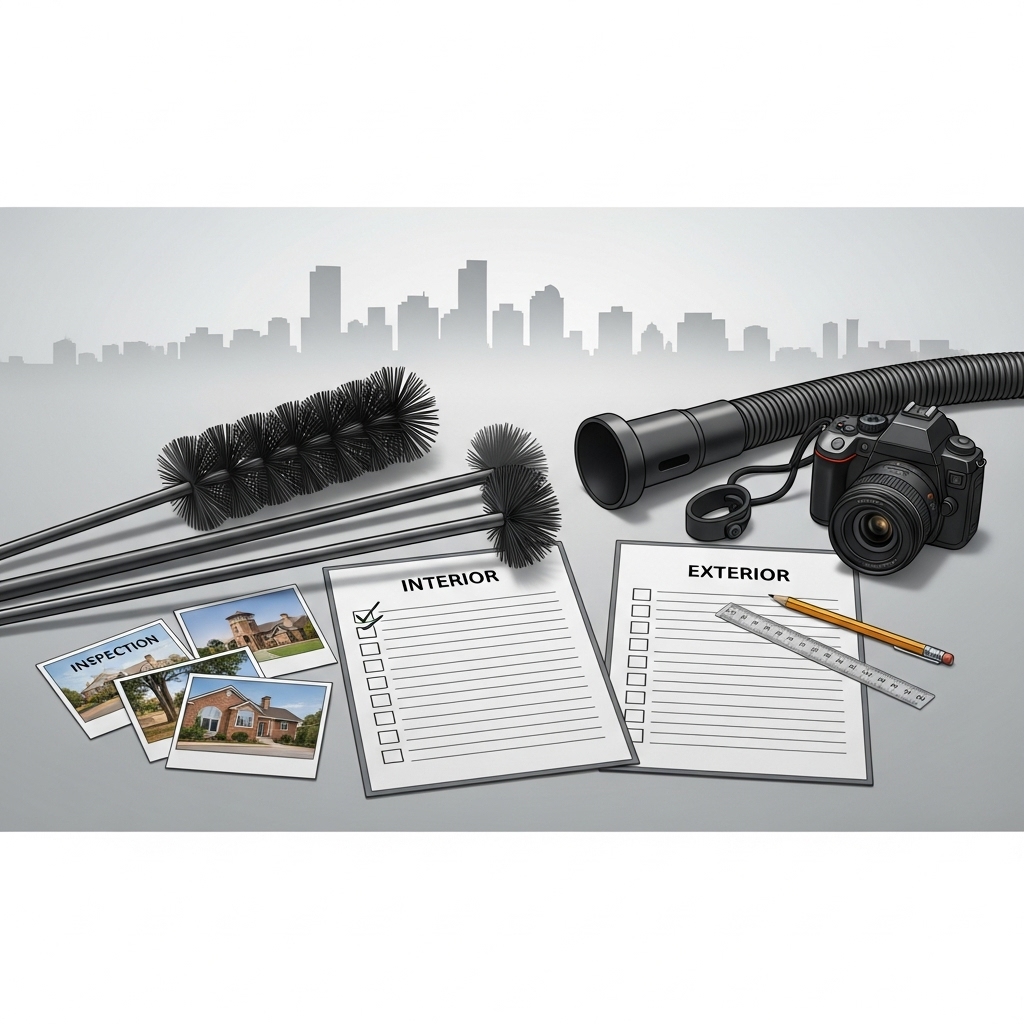

Every Denver winter brings a familiar rhythm: the first whisper of snow over the foothills, the scent of woodsmoke in crisp evening air, and that satisfying crackle from the living room hearth. The secret to enjoying those moments is preparation. Before the cold settles in, it pays to give your chimney the attention it’s been waiting for through spring and summer. As someone who’s climbed more roofs than I can count from Lowry to Highland, I can tell you that a focused preseason check saves frustration—and protects your home. If you’re starting to plan chimney repair and cleaning before the first real freeze, understanding what matters most in our climate will set you up for a safe, efficient, and cozy season.
Denver’s weather is full of contrasts. Dry, sunny afternoons can yield to sudden squalls, and snowmelt may run in the gutter by lunch only to freeze on the eaves after sunset. Chimneys feel those swings. Masonry expands and contracts, crowns take on pooled water if they’re not sloped properly, and flue liners endure rapid temperature changes from cold start to roaring fire. Taking stock now means small issues—like a loose cap or a hairline crack in the crown—don’t turn into long winter headaches.
Why preseason cleaning makes such a difference
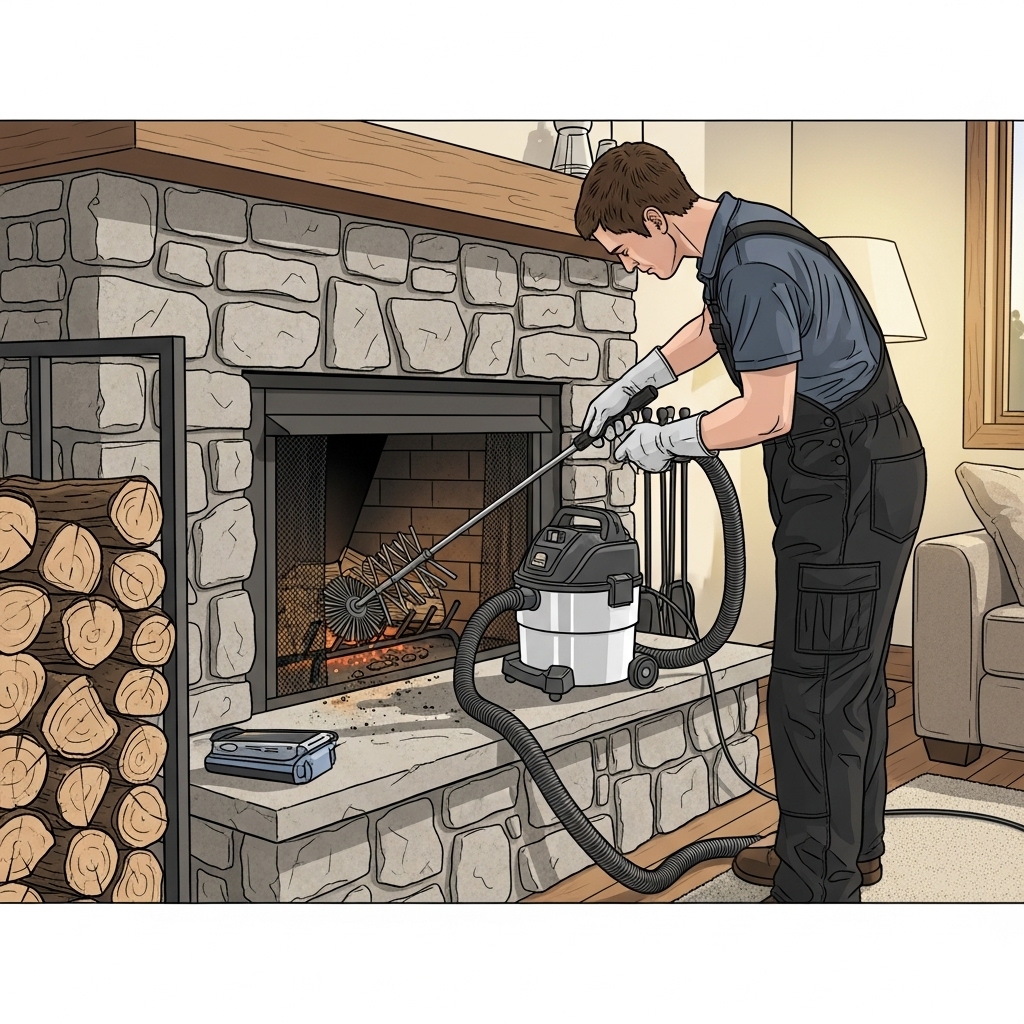
Creosote is the sticky, sometimes flaky residue left behind by wood smoke. It accumulates faster when fires smolder or when you burn resinous wood, and it clings more readily to a flue that never fully heats up. A professional cleaning before winter clears this buildup so your first fires draft easily and burn cleaner. In gas systems, cleaning removes cobwebs, debris, or animal nesting that can settle during the quiet seasons and disrupt proper venting.
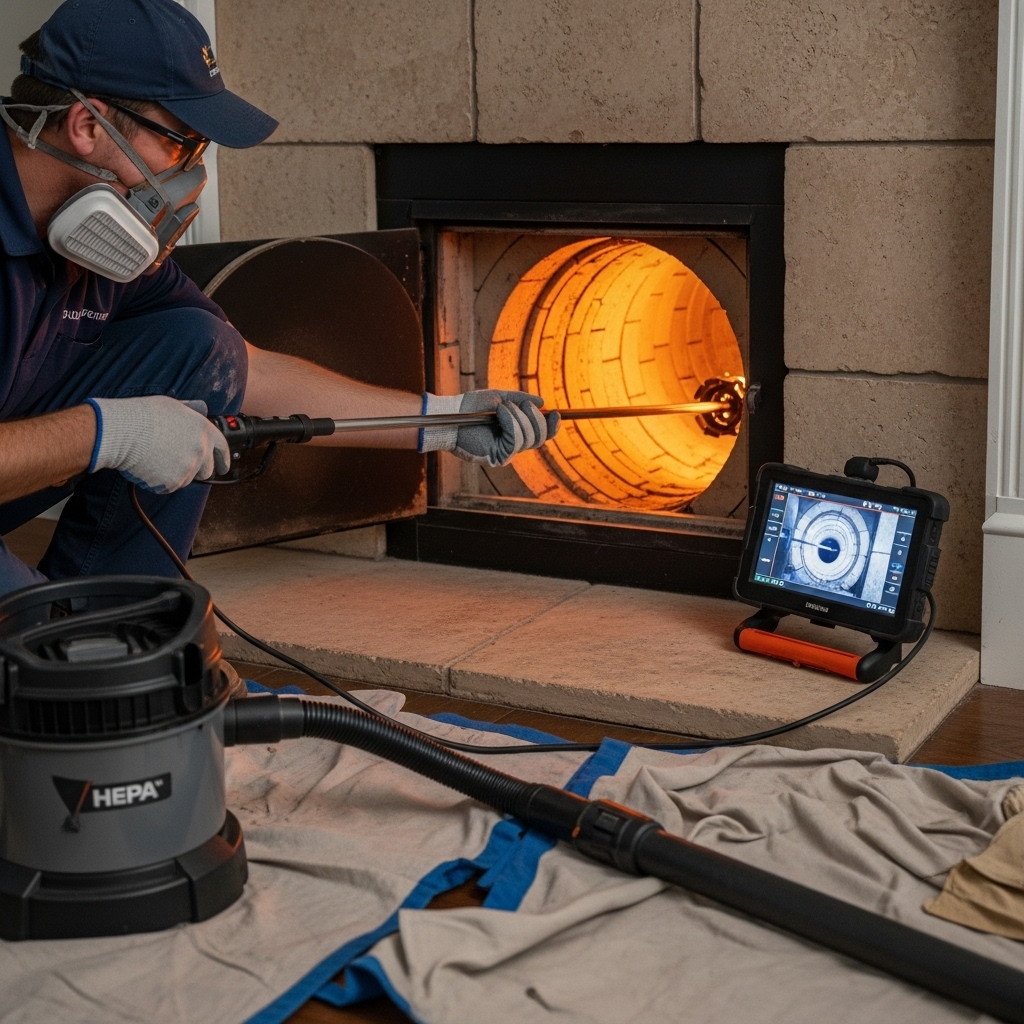
Cleaning is more than just soot removal; it’s also the moment to see the flue clearly. With deposits out of the way, a camera inspection reveals liners, joints, and transitions. If tiles are cracked or a stainless liner has been abraded, you want to know before you light nightly fires. Early detection means solutions can be planned without the pressure of a cold snap.
Attention at the top: crown, cap, and termination
Denver’s intense sun, wide temperature swings, and gusty winds all converge at the very top of the chimney. A crown should slope with a defined drip edge, and there should be expansion allowance around the liner. Cracks, ponding, or a crown poured tight to the flue invite water in. The cap needs to shed rain and discourage animals while allowing free exhaust. We also check termination height relative to rooflines and nearby obstructions, because proper height supports stable draft in both calm and windy conditions.
These elements—crown, cap, and termination—work together. When they’re in good shape, water stays out, animals stay away, and smoke moves upward easily. When one fails, the others are stressed. Evaluating all three before winter helps ensure the whole system is ready.
Flashing and the roof connection
Many “chimney leaks” reported in January turn out to be roof leaks at the chimney junction. In fall, we look closely at step flashing and counterflashing, especially where heavy snow tends to drift or where the roof pitch sends runoff directly toward the stack. Sealants should do little more than back up good metalwork; if caulks are doing the heavy lifting, it’s time to rethink the connection. On tile, slate, or metal roofs, the approach adjusts so the flashing integrates without damaging fragile materials.
Inside the attic, a quick check after heavy rain or wet snow provides clues about water pathways. Staining along rafters near the chimney can indicate that moisture is slipping behind flashing or entering from a compromised crown. Addressing these points before repeated freeze-thaw cycles protects both the chimney and the surrounding structure.
Firebox, smoke chamber, and damper readiness
At the hearth, the firebox should be sound and free of loose masonry. The smoke chamber above benefits from a smooth, sealed surface to guide exhaust into the flue. Rough brick or gaps create turbulence that disrupts draft and encourages creosote to cling. Parge-coating and sealing restore this area to efficient service. The damper—whether a traditional throat style or a modern top-sealing unit—needs to open and close fully. A properly closing damper also keeps beloved warm air in the living space when the fireplace isn’t in use, which is a noticeable comfort during cold snaps.
For gas fireplaces and inserts, preseason service includes verifying the vent path, checking the log set or burner, and confirming that safety valves and sensors behave as they should. Even in a gas system, a clear, correctly sized flue is essential to safe operation.
Wood choice and burning habits matter
Good burning habits start with seasoned wood. Logs that have air-dried for many months shed moisture and burn hotter and cleaner, reducing creosote formation. Stack wood under cover with sides open to airflow and avoid burning painted or treated pieces. Build fires that catch quickly and breathe, rather than smoldering. These habits help the flue warm evenly and minimize residue.
It’s also wise to think about frequency. Occasional fires on very cold nights can be lovely, but if the flue starts from a deep chill every time, it experiences more thermal stress. If you plan to use the fireplace regularly, a consistent routine helps stabilize temperatures and performance.
Altitude and draft: Denver’s special variable
At elevation, air density drops, and so does buoyancy. That means draft can be a little more finicky here than at sea level. Liner sizing, termination height, and the design of the cap all influence how smoke and gases move. During a preseason inspection, we evaluate these elements together so your fireplace lights easily and stays smoke-free. If you’ve ever noticed backpuffing or a stubborn start, it may be a sign that one of these variables needs adjustment.
Homes tightly sealed for energy efficiency sometimes compete with their chimneys for air. Kitchen range hoods, bath fans, and even high-efficiency furnaces can create negative pressure that steals the air a fireplace needs. Part of a good pre-winter check is making sure the home and the chimney play well together—sometimes with simple strategies like cracking a nearby window at startup or adjusting how appliances run while the fireplace is burning.
When repairs join cleaning
It’s common to identify small repairs during cleaning. Hairline crown cracks, a loose cap, or a tired damper can be addressed before the first snow sticks. Repointing a few weathered joints near the top courses restores water shedding, and sealing the smoke chamber smooths the path upward. If a camera finds flue damage, we discuss relining options suited to your appliance and use patterns. Bundling this work with cleaning reduces disruptions and gets you to that first fire with confidence.
Homeowners often ask how long such work takes. The answer depends on access, roof pitch, and the extent of the repair. What matters most is protecting the home during the process—covering landscaping, safeguarding roof surfaces, and keeping the interior tidy. With thoughtful staging, even multi-step projects move along smoothly.
Midseason check-ins and ongoing care
Once winter is underway, a quick check after the first few fires gives feedback. Draft behaving? Any odors? Does the cap sit square after a wind event? These small observations guide adjustments and confirm that preseason work is paying off. If you notice unusual smoke behavior or staining after a storm, prompt attention keeps a minor concern from growing.
As the season winds down, another light cleaning may be warranted, especially after heavy use. Removing late-season creosote and confirming that melting snow isn’t sneaking into the system sets you up for a quiet spring and an easy start next fall.
DIY vs. pro: finding the balance
Many homeowners handle simple tasks confidently—keeping the hearth clean, stacking seasoned wood, and watching for visible changes on the exterior. But climbing onto roofs, especially in icy conditions, is risky, and the eye can miss subtle issues that a camera reveals easily. A professional brings the right tools and the experience to connect dots between crown, cap, flashing, and liner. The ideal balance lets you do what’s safe and convenient while relying on expert help for the deeper checks and repairs.
If you’re comparing options for Denver chimney repair and cleaning, look for an approach that treats the chimney as a system. Clean, inspect, then repair with the whole picture in mind. This sequence respects your time and keeps the home ready for whatever winter decides to deliver.
FAQ
How often should a chimney be cleaned in Denver?
Annual inspections are a smart baseline, with cleanings performed as needed based on use and findings. Wood-burning systems that see regular fires often benefit from cleaning once a year before winter. Gas systems merit a check to ensure the vent path is clear and components are functioning properly.
What’s the biggest winter risk for chimneys here?
Freeze-thaw damage driven by water entry is a major concern. Cracked crowns, loose flashing, and missing caps let moisture in, where it expands and contracts with temperature swings. Addressing these points in the fall reduces winter stress dramatically.
Can I burn pine from the mountains?
Yes, if it’s properly seasoned. Mountain softwoods burn well when dry, but they can produce more creosote if burned wet or smoldered. Keep splits small, store them under cover with airflow, and aim for hot, efficient burns.
Why does my fireplace smoke at startup?
A cold flue, negative pressure in a tight home, or an undersized or oversized liner can cause backpuffing. Preheating the flue by holding a lit twist of newspaper near the throat, cracking a nearby window, and confirming liner sizing and termination height can all improve starts.
Is it okay to skip the cap?
A cap is crucial. It keeps rain, snow, and animals out while containing embers. Skipping it invites moisture and nesting that compromise draft and can damage the liner. A well-fitted cap is inexpensive insurance for the entire system.
Winter is more enjoyable when your chimney is clean, tight, and ready. If the first frost is already in the forecast and you want peace of mind, schedule a preseason visit with local specialists who treat the chimney as a system from top to hearth. For a timely inspection, thorough cleaning, and smart fixes tailored to our climate, connect with experts in chimney repair services who will help you settle in for the season with confidence.