When a fireplace starts to smoke or a carbon monoxide detector chirps at odd hours, Denver homeowners often discover the root of the problem is hidden where the eye can’t easily see: inside the flue. The flue is the liner that guides heat, smoke, and gases up and out, and in our climate—where winter nights drop quickly and daytime sunshine can warm masonry fast—flue systems are tested by dramatic temperature swings. As a local who has inspected countless chimneys from Wash Park to Sloan’s Lake, I can say that flue damage rarely appears overnight. It develops from small stress points that expand over seasons, whether the liner is clay tile, stainless steel, or another approved material. If you’re beginning to research chimney repair, understanding how flues fail and how we fix them will help you make confident decisions.
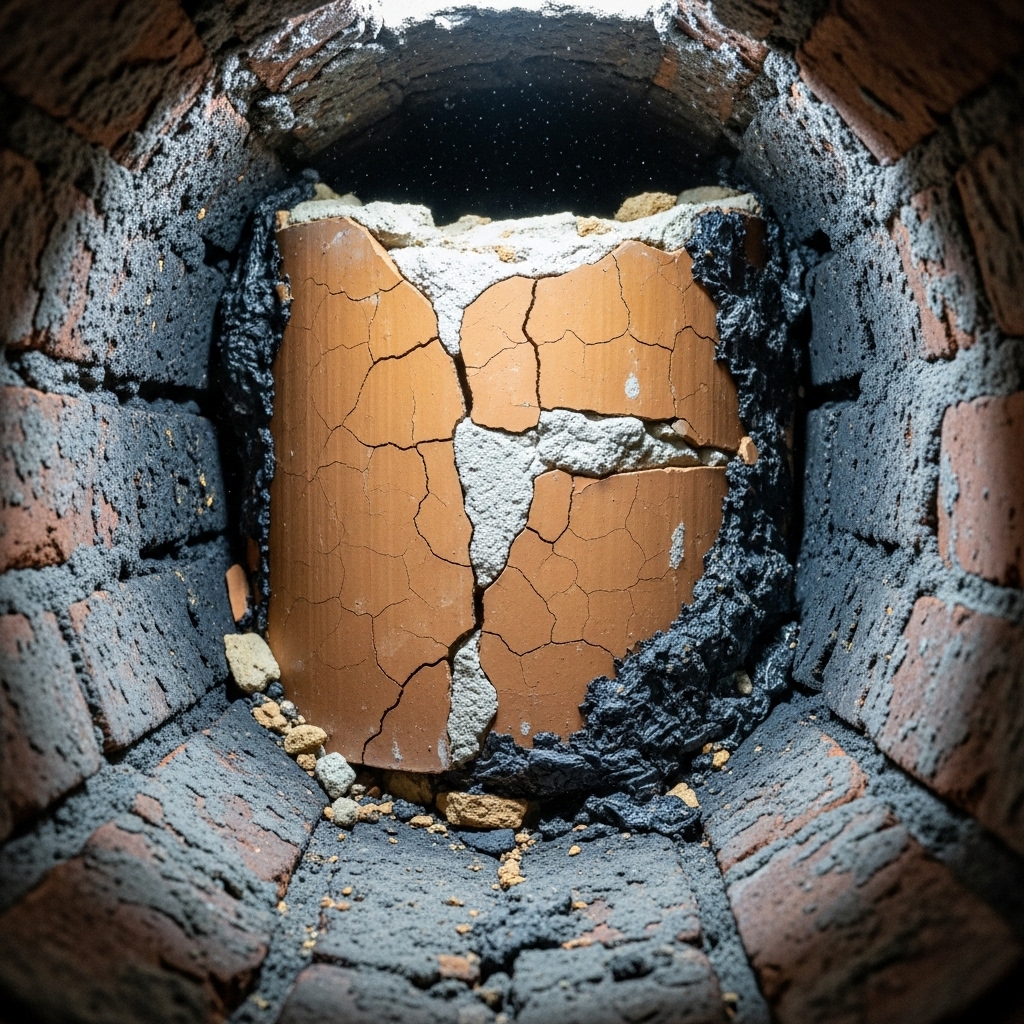
Clay tile liners remain common in older Denver homes. They’re durable, but they depend on sound mortar joints and gentle thermal transitions to thrive. When wood fires burn hot and then die rapidly, or when a cold flue sees a sudden blast of heat, tiles can expand and contract unevenly. Hairline cracks form, joints loosen, and over time small voids open that disrupt the smooth interior surface the flue needs to draft well. Meanwhile, gas appliances venting into the same system introduce moisture that condenses on cool walls, especially during shoulder seasons. That moisture can mix with combustion byproducts, creating mild acids that slowly erode the liner surface.
How flue problems announce themselves
Few homeowners climb to the rooftop and peer down a flue with a flashlight, so the first alarms come from symptoms: a subtle smoky smell after a fire, a fireplace that seems harder to light, or dark stains where the firebox meets the surround. Sometimes a damper won’t seat fully because a tile has shifted near the throat. Other times, a gas log set runs fine for months and then starts tripping a CO detector during a cold snap. These signs point to disturbed draft, internal roughness, or gaps that allow gases to slow and swirl instead of moving straight up and out.
Creosote also plays a role. In wood-burning chimneys, especially those fired on occasional weekends, a flue that doesn’t fully warm up can encourage creosote to cling. Over time, the rougher the interior surface, the easier it is for deposits to build. Flue damage and creosote accumulation often reinforce each other—cracks create turbulence that collects debris, and debris holds moisture that worsens cracks. It’s one reason professional inspections and cleanings are paired: cleaning reveals the truth of the liner, and the camera tells you what lies ahead.
Camera inspections and what they reveal
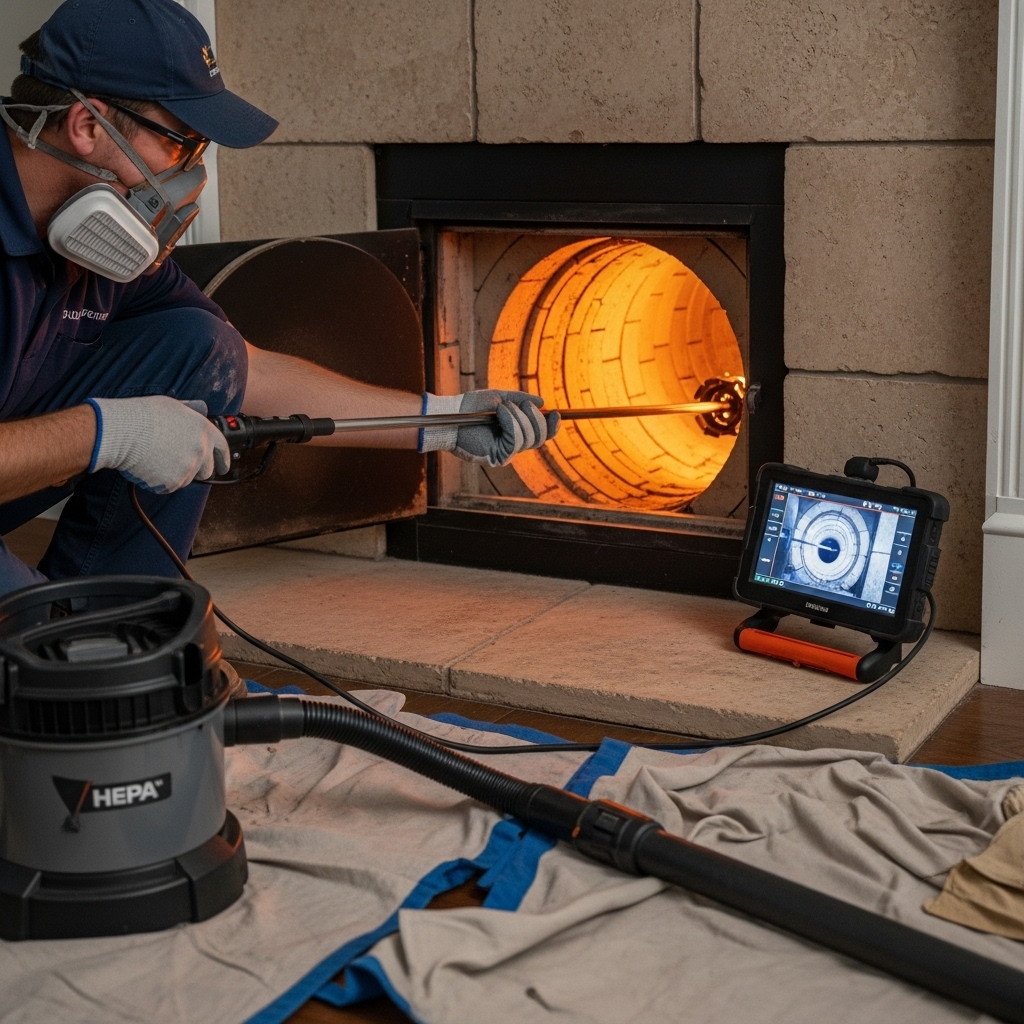
The most decisive tool for diagnosing flue issues is a high-resolution camera designed for chimney use. Starting at the firebox and moving upward, we can see tile joints, offset transitions, and any irregularities. On stainless systems, we look for abrasion, crushed sections, or improper sizing that affects draft. The camera doesn’t guess; it shows where thermal stress or moisture has done its work. From this evidence, we can plan whether localized repair, targeted sealing, or full relining is the right path.
Some homeowners worry that discovering damage automatically means major disruption. In reality, there’s a spectrum of solutions. If the smoke chamber above the firebox is rough or leaky, parge-coating to create a smooth, sealed funnel can dramatically improve performance without touching the rest of the flue. If tiles are cracked in just one or two sections, a partial approach may be feasible. For liners that show widespread fractures, gaps, or outdated sizing relative to the appliance, a comprehensive relining strategy is usually the safest, most durable answer.
Relining options suited to Denver homes
Relining is about restoring a safe, properly sized pathway for exhaust. Stainless steel systems are popular because they’re adaptable, resilient, and compatible with both wood and gas appliances when specified correctly. They must be sized to the appliance and the chimney height to maintain appropriate draft; too large and smoke lingers, too small and backpuffing can occur. In some cases, a cast-in-place system or other code-approved methods create a continuous, insulated lining that bonds to the interior, reducing turbulence and improving heat retention. The specific choice depends on the existing structure, the intended fuel, and how the fireplace or appliance is used.
Denver’s altitude influences draft as well. Thinner air affects how quickly hot gases rise, and chimneys that perform acceptably at sea level may need subtle adjustments here. That can mean liner sizing tweaks, attention to termination height, or ensuring the cap and crown don’t restrict flow. These are local nuances that matter because they make the difference between a system that works on paper and one that works on a cold January night when you want a clean-burning fire without smoke in the room.
Moisture management and flue longevity
Moisture is a silent adversary. A flue that admits rain or snow from above invites trouble; so does a system that lets warm, moist exhaust linger and condense on cool surfaces. A well-fitted cap is the first line of defense, keeping water and animals out while allowing proper venting. Up top, the crown should slope to shed water and include expansion allowance for the liner. Down below, ensuring the smoke chamber is sealed and the damper closes cleanly reduces the amount of conditioned air that escapes when the system isn’t in use. In a dry climate like ours, it’s tempting to think moisture isn’t a big factor, but winter storms and spring wet spells are enough to do slow, steady damage if water can enter freely.
Another nuance: gas conversions. Many Denver homeowners have converted wood fireplaces to gas inserts or log sets without rethinking the flue. Gas exhaust is cooler and moister, and in an oversized clay tile flue it can condense rapidly, creating conditions that degrade mortar joints over time. Right-sizing the liner and ensuring proper termination helps prevent this problem and keeps the system in good standing.
Safety considerations and performance goals
Safety drives every decision with flue repair. The liner separates high heat and combustion byproducts from the home’s framing and living spaces. Gaps or cracks are more than an efficiency issue; they can become pathways for carbon monoxide or sparks. Performance and safety go hand in hand, because a smooth, continuous liner drafts better, burns cleaner, and reduces the likelihood of odors and smoke rollouts. The goal is always the same: a system that handles the fuel you use, suits the chimney’s geometry, and stands up to our local climate.
For many homeowners, a key part of the process is understanding what will change after the repair. With a properly sized, continuous liner, you’ll notice easier starts, less smoke, and more consistent heat. Cleaning becomes more straightforward because the interior is uniform. And with a good cap and crown, moisture ingress from above is curtailed. If you’re weighing options for chimney repair in Denver, prioritize a clear inspection record and a plan that addresses every point where gases or water can wander.
The repair journey from start to finish
Work typically begins with a clean-out to remove any deposits that obscure the camera’s view. After documentation, we review options with you, discussing which methods align with your fireplace or appliance and how they fit the chimney’s dimensions. If relining is chosen, careful preparation prevents debris from entering the home, and protective measures guard the roof and landscaping. Installation proceeds methodically, and the termination is set with proper clearances and cap configuration. When the system is complete, a smoke test or operational test verifies performance, and you receive documentation for your records.
Post-repair, maintenance is simple but essential. Annual inspections catch small changes early, especially after heavy winter use. If you burn wood, seasoned fuel and thoughtful fire-building go a long way. If you run gas, periodic checks ensure everything remains properly tuned. Over the years, a well-maintained liner rewards you with reliability and peace of mind.
FAQ
What are the most common causes of flue damage in Denver?
Thermal shock from rapid heating and cooling, moisture condensation on cool liner surfaces, and creosote buildup that traps acids are leading causes. Settling and aging mortar can also open gaps at tile joints. Each factor is influenced by our climate and how the fireplace or appliance is used.
How do I know if my chimney needs a new liner?
Recurring smoke rollouts, carbon monoxide alerts, visible cracks in accessible tile sections, or camera findings that show widespread fractures point to relining. A professional evaluation with video documentation provides a clear basis for your decision.
Can I keep using my fireplace if the flue is cracked?
Using a fireplace with a compromised flue is not advisable. Cracks and gaps can allow heat and gases to reach areas they shouldn’t, including living spaces and combustible framing. The safe path is to pause use until the system is inspected and repaired.
Does altitude affect liner sizing?
Yes. Thinner air at Denver’s elevation changes draft dynamics. Proper liner sizing and termination height, along with a cap that doesn’t restrict flow, help achieve reliable performance here. Local experience with sizing and installation details makes a difference.
What maintenance keeps a flue healthy after repair?
Annual inspections, routine cleanings as needed, and attention to moisture control at the top of the chimney preserve the liner. For wood systems, burning seasoned wood and avoiding smoldering fires reduces creosote. For gas, ensure the appliance is tuned and venting as designed.
If you want a system that starts easily, drafts cleanly, and stands up to Denver’s winters, connect with a team that understands liners, crowns, and caps as parts of one whole. When you’re ready to schedule or ask detailed questions, reach out to specialists in chimney repair services who will document the problem clearly and craft a solution built for our climate.