
When a fast-moving thunderhead rolls off the Front Range and pelts Denver neighborhoods with ice, you can practically hear roofs and chimneys taking the brunt of it. Hail in our city is not just a loud inconvenience; it is a concentrated assault on the highest, most exposed parts of your home. In the aftermath, homeowners often walk out to a yard glittering with ice pellets and a creeping worry about hidden damage overhead. In those first uncertain hours, it helps to have a local, level-headed perspective on what to check, what to avoid, and how to prioritize truly urgent needs. That’s where an experienced approach to chimney repair becomes a lifeline after a storm, not just a routine maintenance task. As someone who has climbed more than a few soaked ladders after those evening downpours, I can tell you there is a sensible path from panic to peace of mind.
The unique character of Denver’s weather is at the heart of the problem and the solution. Our hailstones often arrive with strong winds and rapid temperature shifts, which means chimneys take hits on corners, caps, crowns, and mortar joints all at once. A quick glance from the ground might show a dented metal cap or a missing shingle around the chimney, but the more consequential issues can be subtle: hairline fractures in a concrete crown, split mortar joints that will grow with the next freeze-thaw cycle, or a bent screen that now funnels water into the flue. After a storm, think in terms of layers. The outside shell may look bruised while the hidden pathways of air and moisture are where real harm begins.
Understanding Hail’s Impact on Chimneys in Denver
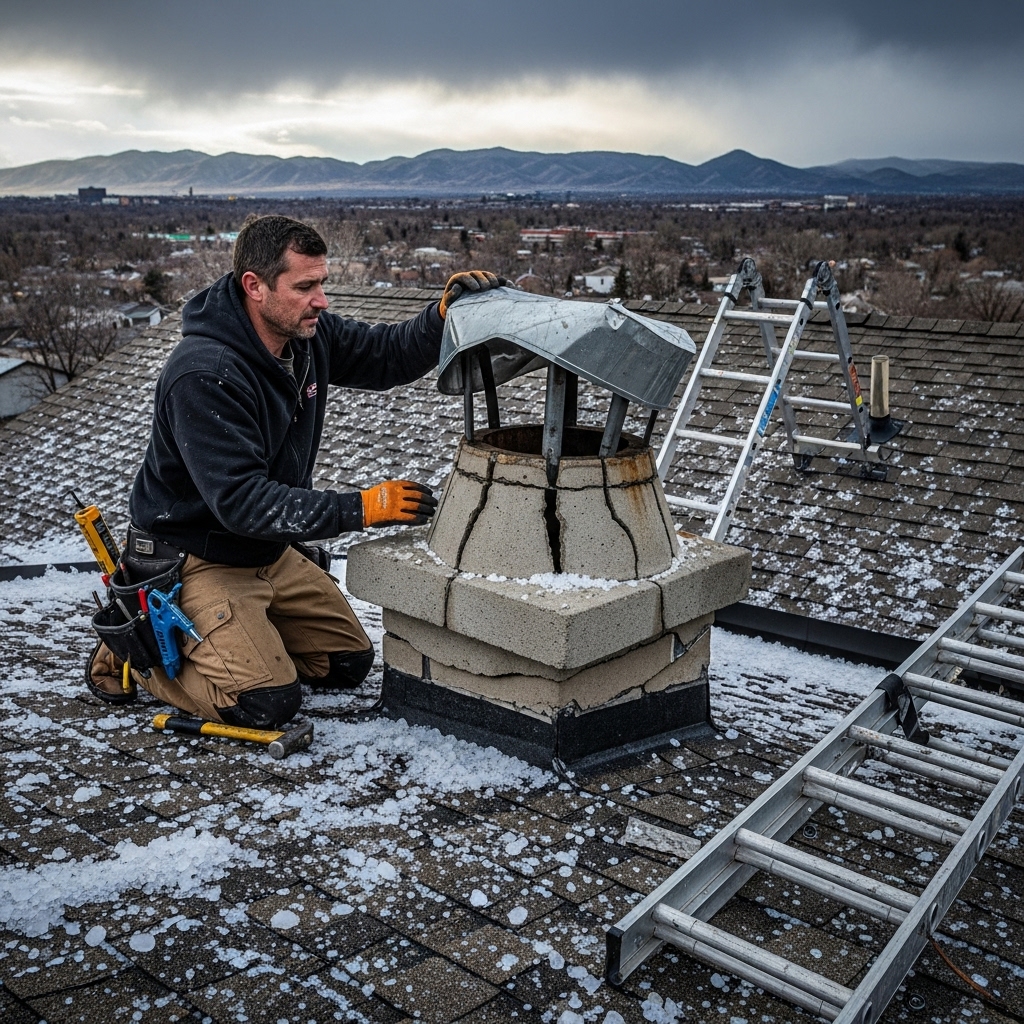
If you have brick or stone masonry, hail is like a chisel wielded by the wind. Corners of bricks spall when struck repeatedly, and the light gray crust of a concrete crown—intended to shed water—can craze and crack under sudden impacts. Metal components suffer too, particularly galvanized caps, which may dent, warp, or have seams loosened by vibration. Even stainless steel can be bent if a larger stone strikes a poorly supported edge. Add to that the flashing, which is the sheet metal bridging the roof and chimney; hail can loosen its seal or lift adjacent shingles, leaving small gaps that only reveal themselves during the next rain.
Inside the system, damage is more about consequences than direct impact. If the cap is bent or dislodged, water and hail can enter and ricochet down a terra-cotta or metal liner, leaving chips, scratches, or even a cracked flue tile. Creosote in wood-burning flues can be dislodged, tumble onto a damper, and hold it open or shut. Gas appliances venting into a chimney are not immune either; if hail knocks a cap off, wind-driven rain can interfere with draft and cause appliance safety lockouts or, in worst cases, promote backdrafting into living spaces. The point is simple: the damage you can’t see often matters most.
What to Do in the First 24 Hours After a Hailstorm
Safety comes first. If you suspect major damage, avoid using the fireplace or any appliance venting into the chimney until you get a clear, professional assessment. Do a ground-level inspection with binoculars if you have them. Look for a crooked or missing cap, shattered crown edges, newly discolored sections of brick, or shingles curled up around the chimney base. Inside, check for damp smells around the fireplace, water on the hearth, or soot displaced on the damper or firebox floor. If you have a carbon monoxide monitor—and you should—verify it’s operating and placed nearby.
Document everything. Digital photos of hail piled on decks, dents on metal handrails or gutters, and any visible chimney issues will help establish the scale of the storm for insurance purposes. If water is actively entering, place a container under drips inside the fireplace and lay towels to protect flooring. Avoid climbing on a wet roof or attempting to reattach a cap by yourself; what looks like a small task can become dangerous in an instant on slick shingles. Temporary measures are better left to trained hands, such as installing a secure, weather-tight temporary top or shrink-wrapped crown covering that won’t become a sail in the next gust.
How Pros Assess Hail Damage to Chimneys
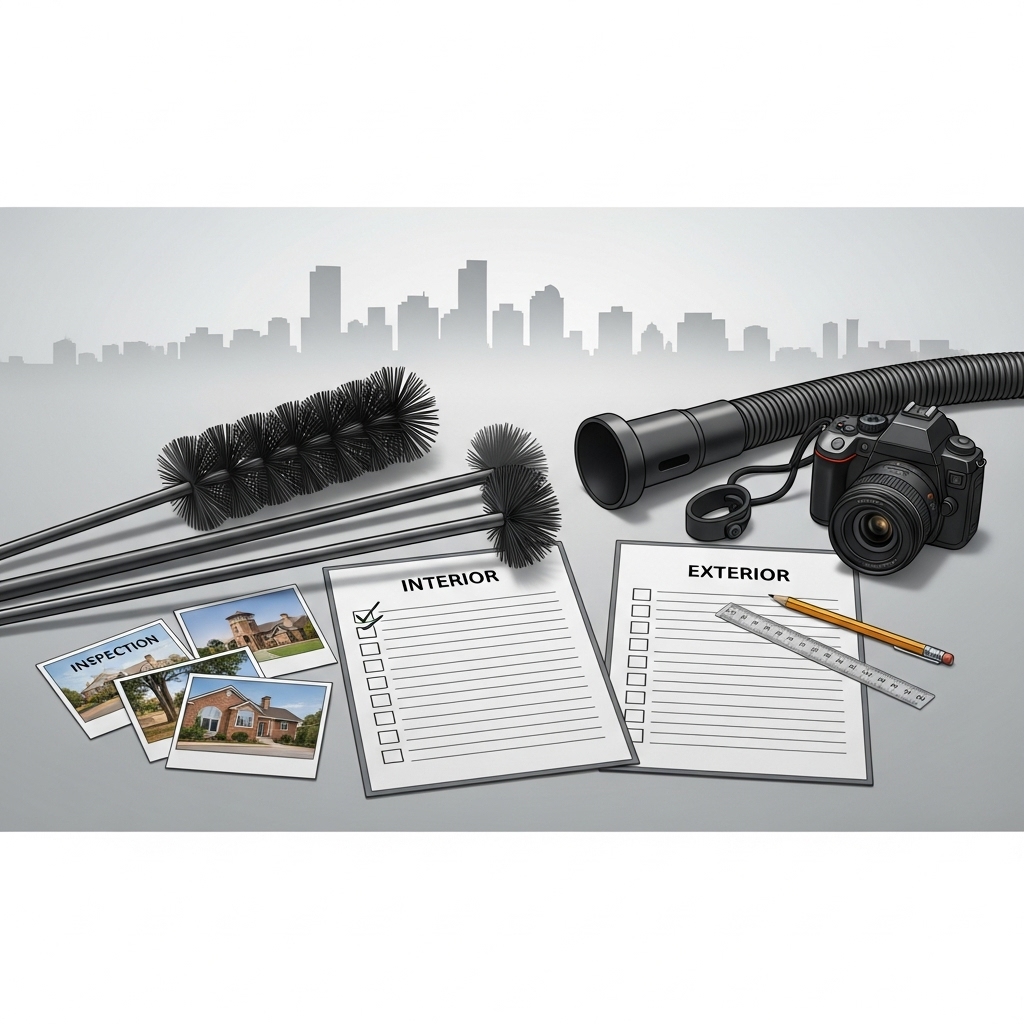
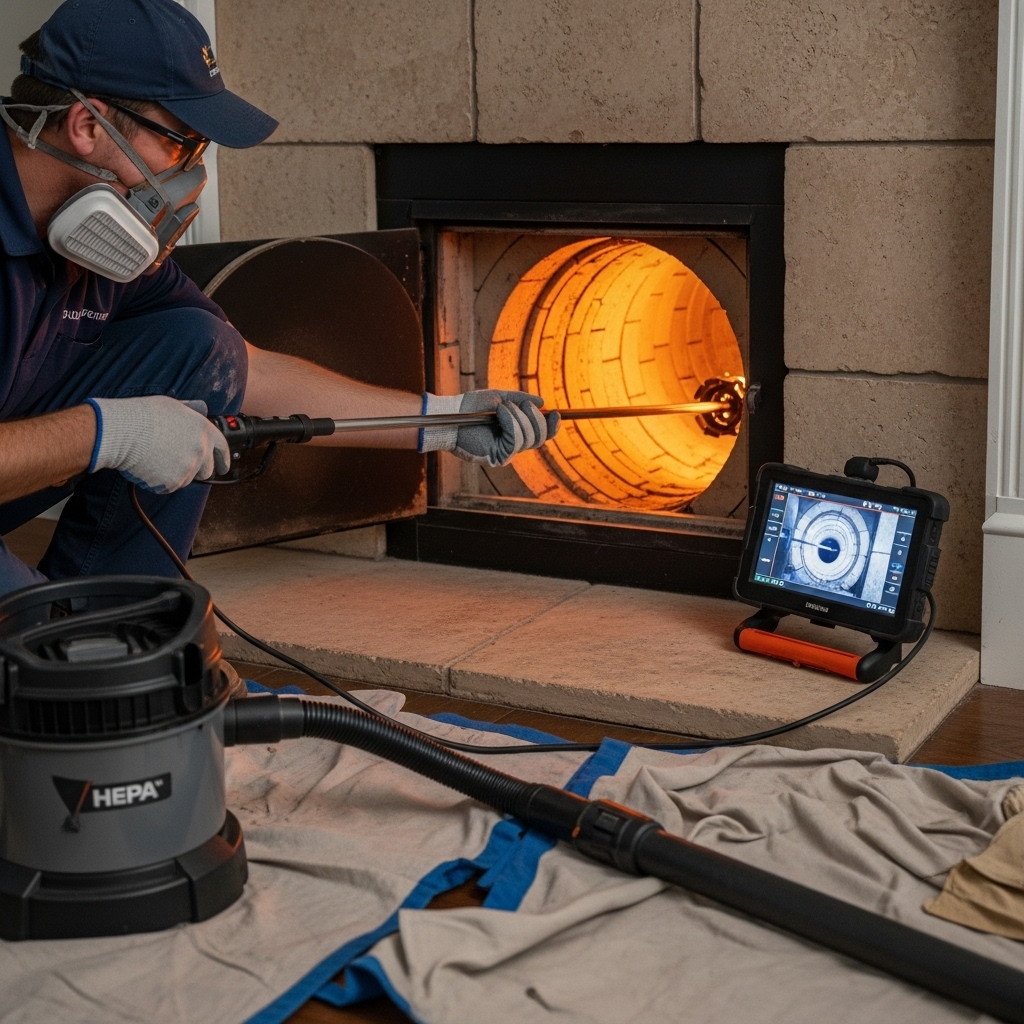
A systematic inspection separates storm effects from preexisting wear. We start with the cap: Is it square to the flue? Are the seams intact and the mesh undistorted? Then the crown: Tap-testing can reveal delamination that isn’t obvious to the eye. Mortar joints are inspected for fresh fractures and loose aggregates, a telltale sign of impact. We also run a light down the flue and, if conditions warrant, use a camera to look for cracked tiles, offset joints, or metal liner scarring. At the roofline, we trace the step and counterflashing, verify seal integrity, and check adjacent shingles and underlayment for hail strikes or lifted edges that could invite leaks where chimney meets roof.
Inside, the damper must move freely, and the smoke chamber transitions are checked for new gaps that could catch creosote. On gas systems, draft measurements confirm that the venting pressure is correct. This detailed approach is not just thorough—it creates a map for prioritizing repairs. A dented cap that still sheds water may be cosmetic, while a hairline crown fracture right over the flue could let water into the top of the chimney with every storm that follows. Every recommendation ties back to a tangible finding so you can see the logic as well as the result.
Emergency Stabilization and Temporary Protections
When a storm has opened a pathway for water, speed matters. Emergency actions focus on keeping weather out while preserving the chimney’s ability to breathe. A secured temporary top can cap the flue until a new metal cap is fabricated or sourced. If the crown is fractured, we may bridge cracks with a flexible, breathable sealant as a stopgap, understanding that a longer-lasting crown repair or rebuild will follow. Flashing may get a temporary reinforcement designed to tolerate wind until permanent reworking can be scheduled. These are not shortcuts; they are measured steps that buy time without compromising the structure or encouraging trapped moisture.
Of course, not every situation is emergent. Sometimes the best immediate response is a firm “do not use” tag on the fireplace until follow-up repairs are made. That might feel disappointing, especially when the storm knocked out your backyard plans and now your fireplace too, but Denver’s changeable weather rewards patience and planning. The goal is to make sure that the next afternoon squall does not turn a manageable problem into a cascade of damage inside walls and ceilings.
Permanent Repair Options After Hail
Once the immediate risks are under control, we turn to durable solutions. A properly sized, heavy-gauge stainless steel cap with reinforced corners and a securely welded spark arrestor tends to shrug off future hail far better than lighter options. For brick chimneys, rebuilding or resurfacing a crown with a high-strength, fiber-reinforced mix and a proper drip edge can transform the top from a sponge into a shedding shield. Tuckpointing removes compromised mortar and replaces it with a mortar matched to the original in composition and color, which is important both aesthetically and structurally. On the inside, relining options range from replacing individual damaged terra-cotta tiles to installing a continuous stainless liner, depending on what the inspection reveals.
Flashing repairs are both art and science. Denver’s winds swirl across rooftops in counterintuitive ways, so we detail step flashing carefully and integrate counterflashing into mortar joints or reglets with clean, watertight lines. We also pay attention to the roof’s water flow around the chimney. Where appropriate, adding a small cricket on the uphill side can divert water past the chimney rather than letting it pool and exploit micro-gaps. Each repair is chosen with future storms in mind, not just as a response to the last one.
In the midst of planning, homeowners often ask how to choose between a list of good options. The simplest lens is performance under our local conditions. Materials that resist impact and repel water matter most. Installation methods that allow the system to expand, contract, and dry out are the next priority. This is where an experienced local perspective pays off. You do not need an encyclopedia of products—you need a coherent solution that fits your chimney, roof, and usage patterns. When that plan includes a thoughtful approach to chimney repair as a system rather than a series of isolated fixes, you get results that stand up to our storm season.
Insurance, Documentation, and Timelines
Hail events are, thankfully, something insurers in Colorado know well. The most productive claims move on a foundation of clear photos, specific findings, and a detailed scope that distinguishes storm damage from normal aging. We prepare reports that your adjuster can understand, tying each recommended repair to an observed condition and a likely storm mechanism. This helps keep the conversation focused and lets you move forward without getting stuck in definitions. Timelines depend on weather and material availability. Metal caps and liners may have short lead times, while a crown rebuild might wait for a stretch of dry weather. The goal is to stage the work so that each step sets up the next—no wasted effort, no backtracking.
Prevention Before the Next Storm
Hail will visit us again; the question is how ready your chimney will be. Upgrading to impact-resistant caps, maintaining a sound crown with a slight slope and drip edge, and keeping mortar joints tight are foundational steps. Add breathable water repellents to exposed masonry where appropriate, and make sure flashing transitions are crisp and intact. Annual inspections before peak storm season can catch small vulnerabilities: a loosening cap fastener, a crown hairline, or a joint that just started to open. A small adjustment now often prevents a much larger repair later.
Think of the chimney as part of a weather system that includes your roof, attic ventilation, and fireplace use. For example, heavy soot accumulation can trap moisture, and a damp, sooty flue is more vulnerable to damage when pelted by hail-driven water. A clean, dry flue with a solid top and a resilient crown is your best baseline. That way, when a storm punches through the city, you know your home’s highest line of defense is ready.
Working with a Local Team You Trust
There is a confidence that comes from working with folks who know the difference between an ordinary dent and the kind of damage that will haunt your ceiling in September. Local technicians see the patterns: where hail tends to strike hardest on certain roof pitches, how often certain caps hold up, and what a real freeze-thaw crack looks like compared to a cosmetic blemish. We also know that emergencies rarely fit into comfortable schedules, and that quick communication matters. When you call, you should feel like a priority, because in the window between storms, that’s exactly what you are.
Frequently Asked Questions About Post-Hail Chimney Damage
How can I tell if my chimney was damaged by hail if I can’t safely get on the roof?
Start with ground-level observations. Look for a crooked or missing cap, fresh chips on brick corners, or debris in the fireplace that wasn’t there before. Binoculars are helpful, and discoloration or a glint of bent metal can be a giveaway. Ultimately, a professional inspection confirms what you can’t see from the yard, including crown fractures and flue damage.
Is it safe to use my fireplace or furnace after a hailstorm?
If you suspect any damage at all, it’s best to wait until an inspection verifies safe operation. A displaced cap or damaged flue can impair draft and, in some cases, allow carbon monoxide to enter living spaces. Utility appliances venting into the chimney should be tested for proper draft before you resume normal use.
What repairs are most urgent after hail?
Anything that keeps water out rises to the top of the list. Re-securing or replacing a damaged cap, stabilizing a cracked crown, and verifying watertight flashing are typically the most urgent steps. Interior flue issues are also critical if the chimney is in active use, particularly with gas appliances.
Can a cracked crown be sealed, or does it need to be rebuilt?
It depends on the severity and pattern of the cracking. Hairline cracks can often be bridged with high-quality, breathable sealants as an interim measure, while widespread delamination or deep fractures usually call for a full crown rebuild to ensure long-term performance.
Will insurance typically cover hail-related chimney damage?
Hail is a recognized peril on most homeowners policies in Colorado, and it is commonly covered when the damage can be tied to a specific storm event. Detailed documentation helps. Your contractor’s report and photos provide the clarity adjusters need to process a claim efficiently.
How quickly should I schedule an inspection after a storm?
As soon as possible. Demand surges after large hailstorms, and addressing issues early prevents additional water intrusion from subsequent weather. Even if the first available repair appointment is days away, an early inspection can identify whether temporary protections are needed.
Do metal chimney caps withstand hail better than masonry tops?
They serve different purposes. A metal cap protects the flue opening from weather and animals; a masonry or concrete crown sheds water off the top of the chimney. Heavy-gauge stainless caps resist hail well when properly supported, and a well-built crown creates a durable, complementary shield. Together, they’re far stronger than either component alone.
Can I do anything now to prepare for the next hail season?
Yes. Ensure you have a robust cap, a sound crown with a drip edge, tight mortar joints, and well-integrated flashing. Schedule a pre-season inspection to catch small issues, and keep the flue clean and dry. A little preparation goes a long way when the sky turns dark over the foothills.
If last night’s storm left you worried about what you can’t see above your roofline, you don’t have to wait and wonder. Reach out to a local team that understands Denver’s weather and treats urgent calls with the attention they deserve. We can assess the damage, stabilize what’s vulnerable, and map out durable solutions that will stand up to the next round of storms. When you’re ready to restore confidence in your chimney, start with trusted chimney repair and get your home back to normal with a plan built for Colorado’s climate.