
Historic homes are Denver’s living memory. From Queen Anne gems in Capitol Hill to Craftsman bungalows in Berkeley, their masonry chimneys form a skyline of corbels, decorative bands, and clay pots that tell the story of past builders. Repairing these chimneys is as much conservation as it is construction. It requires reading materials, respecting patina, and making carefully chosen interventions that extend life without erasing character. If you’re beginning to explore chimney repair for a historic property, you’ll find that a preservation-minded approach can deliver safety and performance while keeping the original look intact.
Age brings idiosyncrasies. Lime-rich mortars were once the norm; they’re softer and more flexible than modern Portland-heavy blends. That softness is not a flaw—it’s a feature. In older systems, the mortar was intentionally sacrificial, meant to weather before the bricks did, allowing for future maintenance without damaging the units. When repairs ignore this principle and use a mix that’s too hard, the brick ends up bearing stress it was never meant to carry. In Denver’s freeze-thaw cycles, that mismatch can speed spalling, cracking, and salt migration. Respecting the original material palette is the first rule of historic chimney care.
Assessment with preservation in mind
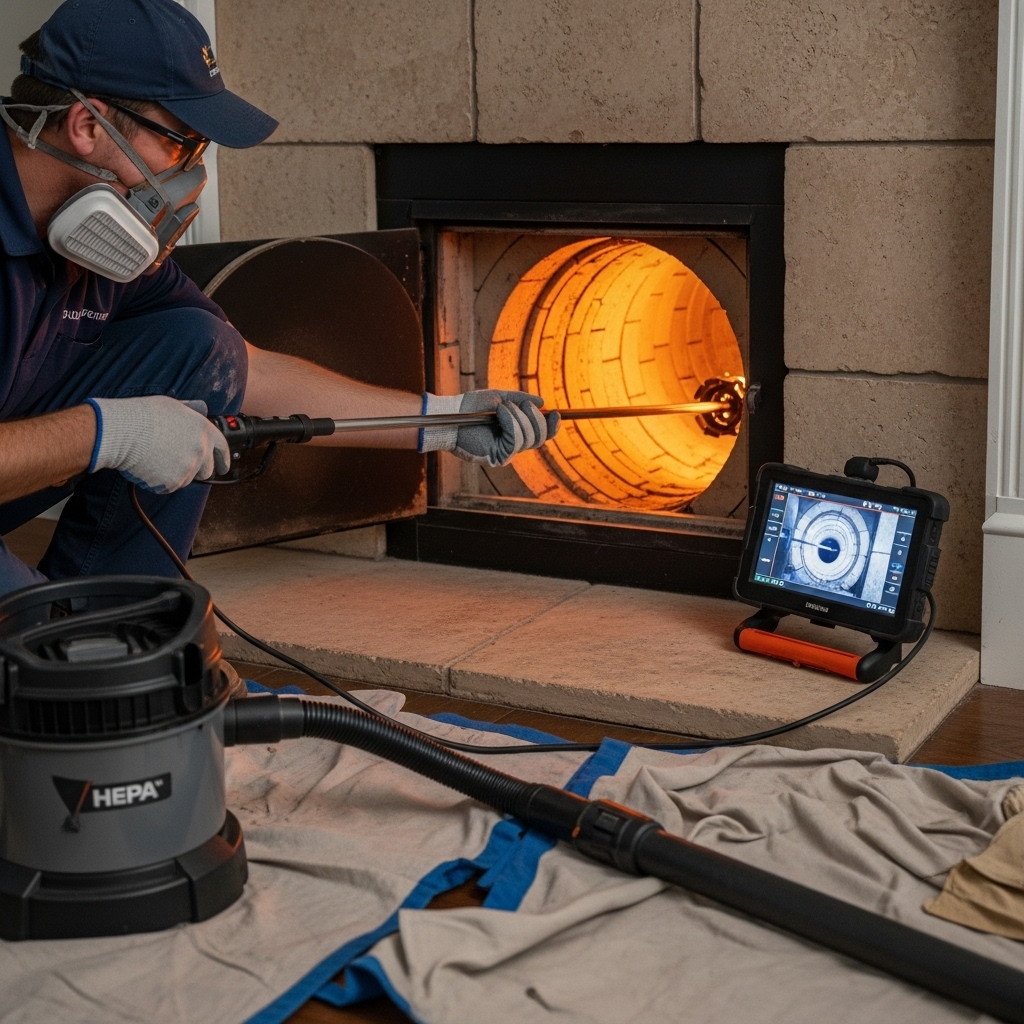
A historic chimney assessment begins with questions about history. What era is the home? Has the fireplace or heating appliance changed? Do additions or roof alterations intersect the chimney? We then examine mortar hardness, joint profiles, brick density, and the condition of decorative elements like corbels or terra-cotta crowns. Inside, we evaluate the flue, smoke chamber, and damper, mindful that many historic fireplaces were built for different fuels or draft expectations than today’s appliances. The goal is a plan that solves safety and weathering issues while retaining what makes the chimney unique.
Documentation matters here. Detailed photos, notes on mortar color and aggregate, and samples when appropriate allow for accurate matching. Where districts require review, clear documentation smooths approvals. Even outside of formal oversight, the process helps homeowners visualize outcomes and ensures the crew on site knows exactly what they’re preserving.
Mortar matching and joint profiles
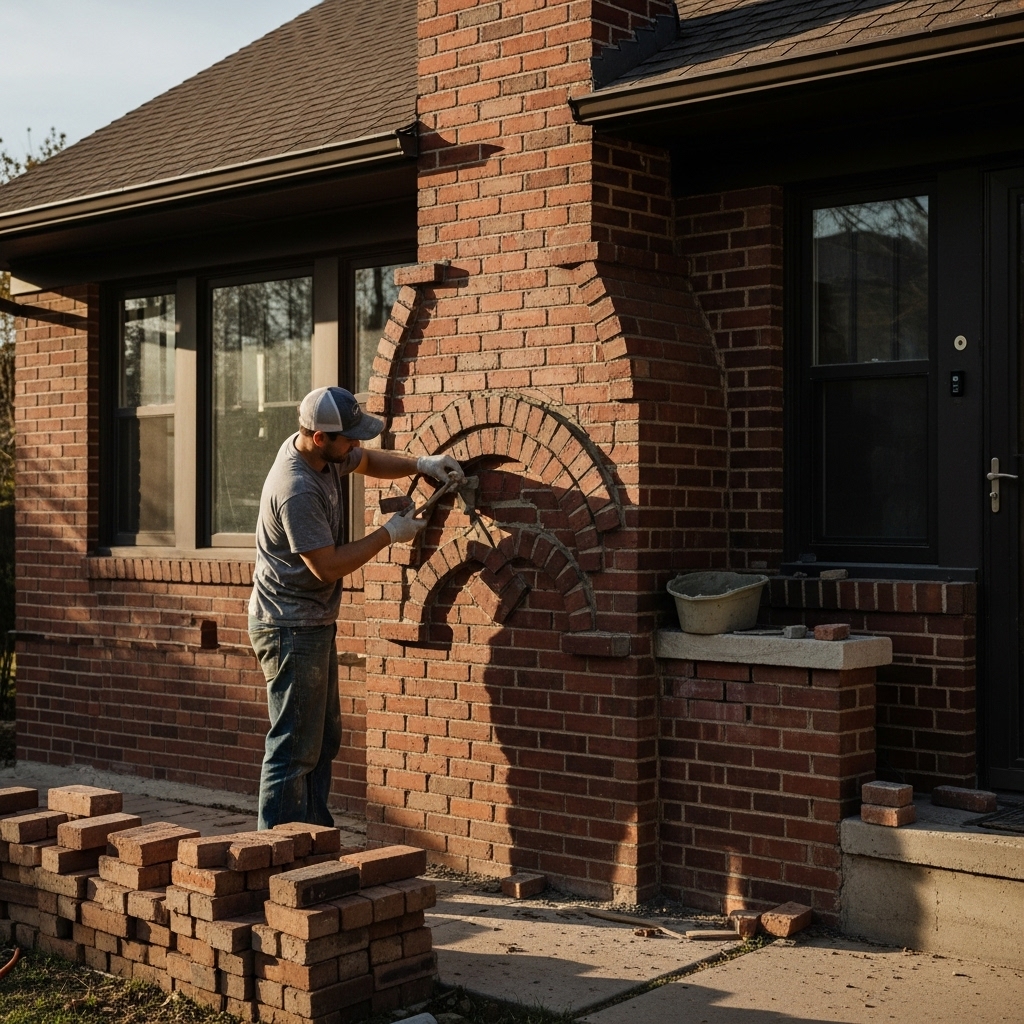
Repointing historic masonry is an art of restraint. We test and choose a mortar mix that echoes the original in color, texture, and hardness. The joints are tooled to match neighboring areas, whether they display a slightly recessed finish, a weathered bevel, or a flush profile typical of the home’s era. This fidelity isn’t cosmetic alone; it affects how water sheds and how the structure breathes. A compatible mortar allows the wall to exchange moisture naturally, reducing the risk of trapped water that can freeze and pry materials apart.
Care extends to the rhythm of the brickwork. Older brick often varies in size and color, and the irregularities form the charm of the facade. Replacing units is done sparingly and with close attention to visual continuity. When replacement is necessary, we source reclaimed or locally compatible brick to avoid a patchwork look. The objective is a repair that blends so well it becomes invisible to casual view.
Decorative elements and structural realities
Historic chimneys may include corbeled courses, insets, terra-cotta details, or ornate pots that shape draft and silhouette. These elements are vulnerable to water and thermal stress because they project and create ledges. Rebuilding a failing corbel isn’t simply stacking new brick; it’s integrating flashing planes, drip lines, and mortar bedding that matches the original appearance while shedding water more effectively. Terra-cotta needs gentle treatment to avoid cracking, and any anchoring must accommodate expansion.
Structural concerns arise when settlement or modifications elsewhere in the home transfer stress to the chimney. Slight leans, stair-step cracking, or differential movement where additions tie in all demand careful evaluation. Solutions range from strategic repointing to partial reconstruction, always with an eye to preserving as much original material as feasible. When a rebuild is necessary, blending new work with old requires mockups and patient craftsmanship.
Flue safety without sacrificing character
Many historic fireplaces were built for wood fires that drafted through large, unlined cavities or early clay tiles. Today’s safety standards call for continuous liners that contain heat and combustion byproducts. The good news is that relining can be accomplished with minimal disruption to the exterior. Stainless steel systems sized to the fireplace opening or appliance give modern safety while the outer masonry remains unchanged. In some cases, cast-in-place solutions create a smooth, insulated interior that improves draft and reduces creosote without altering the chimney’s silhouette.
The smoke chamber and damper also deserve attention. Smoothing the chamber with appropriate materials improves airflow, and a discreet top-sealing damper can preserve the look of the throat while preventing conditioned air loss when the fireplace is idle. Together, these updates deliver performance in keeping with historic aesthetics.
Water management: crown, cap, and flashing
Historic chimneys are only as resilient as their water management. Crowns should be sloped with a distinct drip edge, and any flue tiles must have expansion allowance to prevent cracking. Caps need to be proportionate and subtle, keeping rain and animals out without drawing attention. At the roofline, step flashing and counterflashing should integrate with original materials. On tile or slate roofs common to older homes, we use methods and tools that protect fragile surfaces while creating a dependable seal.
Because older bricks and mortars are more absorbent, breathable water repellents are sometimes used on the upper courses to slow absorption while allowing vapor to escape. This balance keeps the wall from trapping moisture—a key principle in preservation.
Gentle cleaning and conservation ethics
Cleaning historic masonry is about removing soiling and biological growth without erasing time. Low-pressure rinsing, soft brushes, and carefully selected detergents prevent damage. Abrasive blasting or harsh acids can destroy patina, alter the surface, and reduce durability. Conservation ethics favor the least intrusive method that achieves the goal. The same mindset applies to repairs: do as much as necessary, as little as possible, and make interventions reversible where you can.
In Denver’s dry, sunny climate, it’s tempting to assume gentle cleaning is always sufficient. However, shaded north elevations can harbor biological growth, and sheltered ledges on corbels or pots may accumulate grime. The strategy adapts to each chimney’s microclimate, always prioritizing protection of the original fabric.
Working within districts and coordinating approvals
For properties within local historic districts or subject to landmark review, early coordination simplifies everything. Submitting a clear scope with photos, mortar specs, and drawings of crown or flashing details helps reviewers understand that the work respects the home’s integrity. Most boards welcome projects that improve safety and weather resistance when the visual impact is minimal. By engaging early, you avoid delays and ensure the final outcome aligns with both preservation standards and practical needs.
Even outside formal review, neighbors and future buyers appreciate careful, well-documented work. A record of thoughtful interventions demonstrates stewardship and becomes part of the home’s story.
Balancing modern use with historic fabric
Many owners of older homes wish to use their fireplaces regularly, or they’ve installed efficient inserts to provide supplemental heat. Balancing this modern use with historic materials requires correct liner sizing, proper termination height, and components that respect the original appearance. Often, the best compliment is when visitors can’t tell anything was repaired, only that the fireplace burns cleanly and the chimney weathers storms without complaint.
Communication is key throughout the process. We collaborate with homeowners to prioritize outcomes: safety, longevity, and preservation. If you’re comparing options for Denver chimney repair on a historic property, ask how each choice supports those outcomes while minimizing visual change. The right partner will speak fluently about materials, detailing, and local weather.
Seasonal timing and craft pacing
Mortar and crown work benefit from stable temperatures and controlled curing, making spring and early fall attractive windows. That said, protection and planning allow for success across much of the year. Historic projects especially reward pacing—time to test mortar colors, mock up joint tooling, and adjust techniques to the quirks of the original work. Rushing risks mismatches that stand out against the weathered facade.
After the repair, care is straightforward: gentle cleaning as needed, annual inspections, and prompt attention to small changes. Historic masonry appreciates a light touch and regular observation more than aggressive interventions.
FAQ
Will repointing with modern mortar harm my historic chimney?
It can if the mortar is too hard for the original brick. Historic chimneys often need lime-rich, flexible mixes that are compatible with softer units. Using a harsh mix can transfer stress to the brick and accelerate damage. Proper analysis and matching protect both appearance and longevity.
Can I upgrade safety without changing how the chimney looks?
Yes. Relining, smoke chamber smoothing, and discreet damper solutions all improve safety and performance without altering the exterior character. The goal is modern function hidden inside historic form.
What if my chimney leans slightly?
A slight lean may be longstanding and stable, or it may signal active movement. A careful evaluation determines whether targeted repointing and stabilization will suffice or whether partial rebuilding is needed. The priority is to retain as much original material as possible while ensuring safety.
How do you match old brick and mortar?
We assess color, aggregate, hardness, and joint profile, then create test panels to confirm the match. For brick replacement, we source reclaimed or compatible material. The aim is for the repair to blend seamlessly so the chimney’s story remains intact.
Does a new crown belong on a historic chimney?
Yes, provided its profile is modest, it includes a drip edge, and it allows for flue expansion. The crown is a protective element; built correctly, it shields the original masonry and respects the chimney’s lines.
If your historic chimney needs careful hands and a preservation mindset, partner with local specialists who understand materials, weather, and design review. To start a conversation about a plan that safeguards character while improving safety, reach out to experts in chimney repair services who appreciate the responsibility that comes with working on Denver’s architectural heritage.