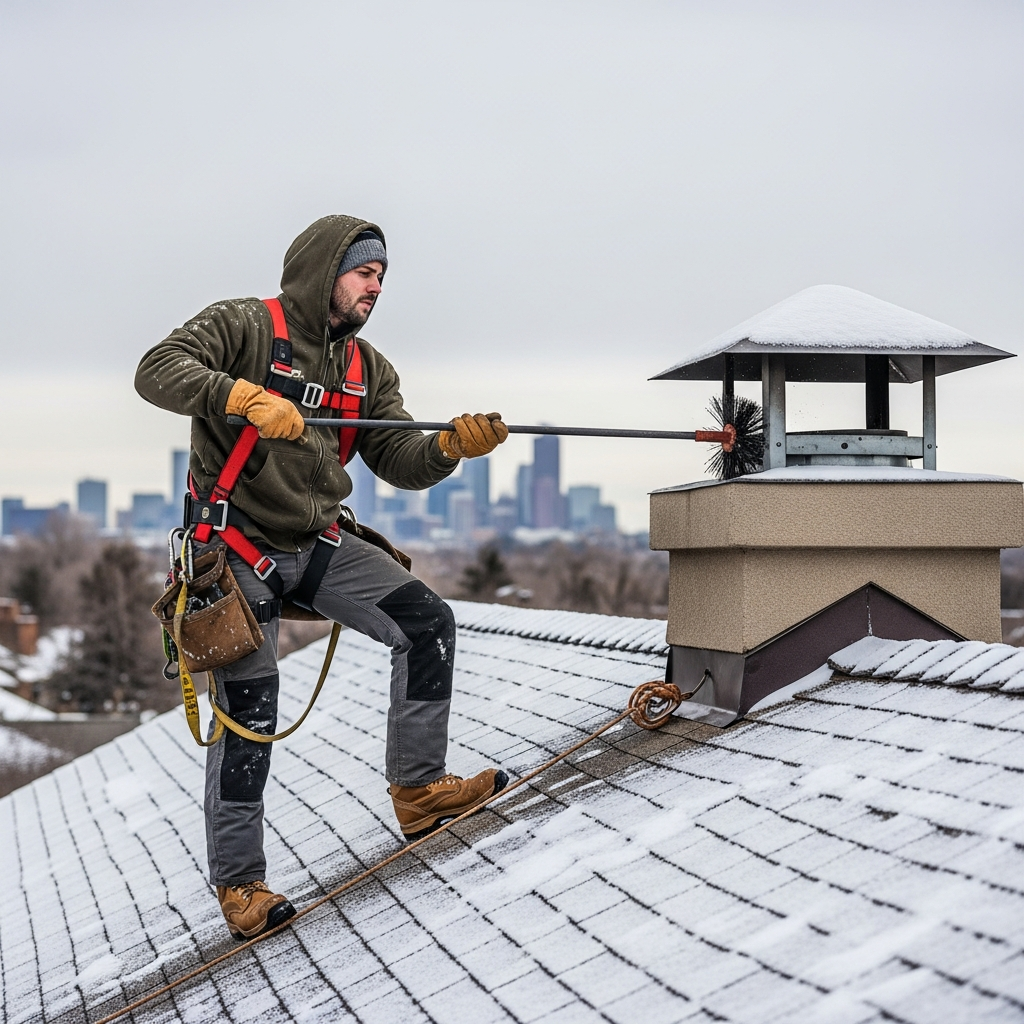

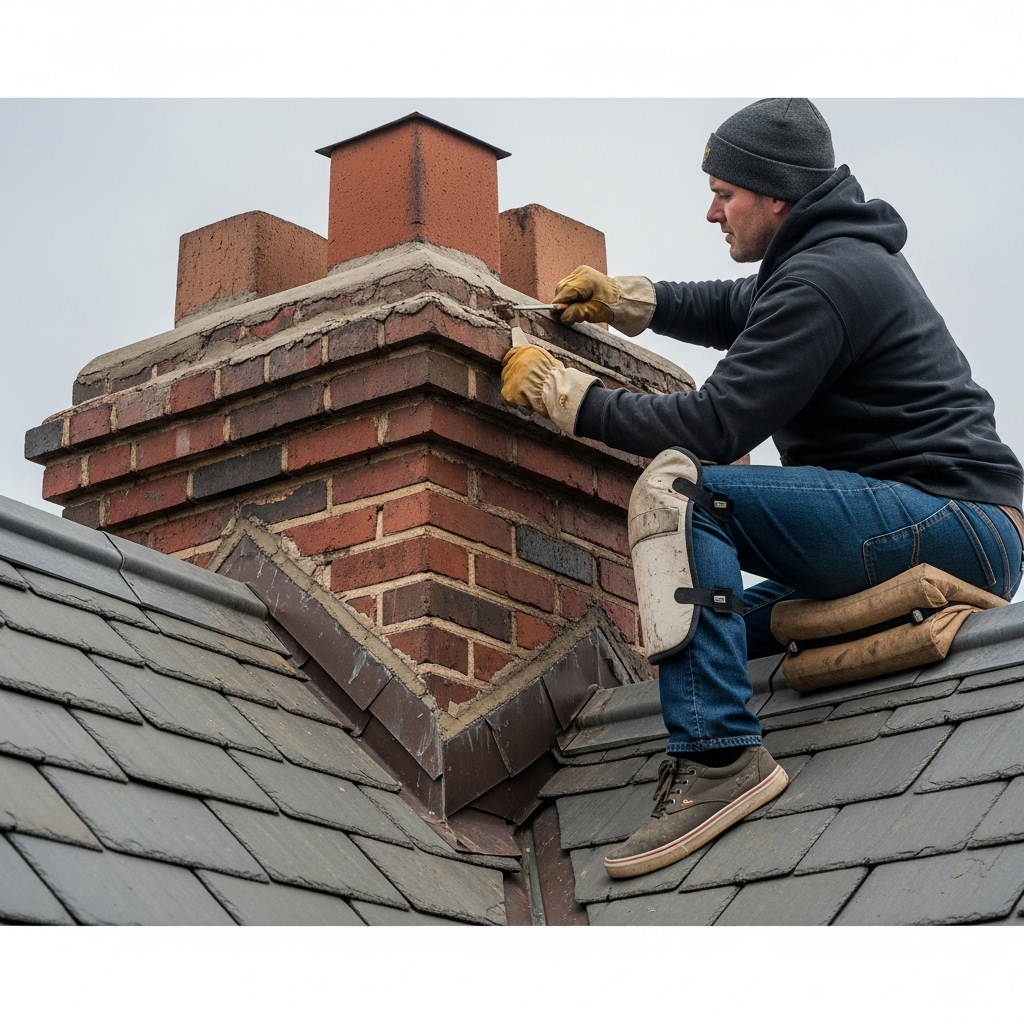
Walk down a snowy Denver block in Capitol Hill, Baker, or Congress Park, and you’ll see why people fall in love with historic homes. Brick softened by a century of sun, arched lintels over tall windows, slate roofs patched with care—the city’s older houses hold warmth even before a fire is lit. Caring for their chimneys, however, asks for more than routine know-how. It asks for a sensitivity to original materials, an understanding of how these systems evolved through coal, wood, and gas eras, and a craftsman’s patience. Choosing the best professional for such work isn’t about slogans; it’s about fit. It begins with a conversation with a Denver-area chimney sweep who respects the stories your home carries and knows how to keep them intact while ensuring safe, modern operation.
Historic chimneys are a record of practical decisions made over decades. A single stack may have served multiple fireplaces on different floors, a parlor stove, and later a gas log set. Mortar may have been repointed with harder mixes at some point, creating patches that weather differently than the original lime-rich joints. Crowns could have been rebuilt, sometimes beautifully, sometimes hastily. Inside the flue, clay tiles may be intact in stretches and missing in others, or a stainless liner may now carry the combustion products of a new insert. The best professional reads this history like a map, careful not to disturb what is sound while addressing what needs care.
Respect for Original Materials
Older brick and mortar react differently to Denver’s freeze-thaw cycles than modern units. Soft brick sheds moisture readily and can spall if trapped water freezes. Lime-based mortars move with the seasons and prefer compatible repairs. The right approach uses materials in harmony with the original fabric and avoids overly rigid products that shift problems elsewhere. At the crown and flashing, gentle methods and well-chosen sealants keep water out without smearing modern textures across historic lines.
Inside the flue, clay tiles often perform well when intact. Where they have fractured or receded at joints, a camera view guides the plan. For appliances adapted to older chimneys—wood stoves and inserts especially—stainless liners are common. The best work respects both the new and the old: liners sized appropriately for the appliance, properly insulated where required, and supported to avoid imposing new stresses on aging masonry.
Gentle Access and Cleanliness
Historic interiors deserve careful protection. A professional who specializes in older homes arrives with drop cloths for long hallways, corner guards for stairways, and containment strategies that keep soot where it belongs. Access paths are mapped to avoid bumping original woodwork or plaster, and equipment is staged so that nothing leans on delicate trim. These details are not niceties; they are how you know a team understands what it means to work in a home that has outlived generations.
On the roof, safe, thoughtful access matters too. Slate and clay tile roofs require a different touch than asphalt shingles. Ladders are padded, contact points are chosen with care, and work is planned for dry weather whenever possible. The goal is to leave no trace of the visit beyond a chimney that draws well and sheds water.
Balancing Preservation and Performance
Owners of historic homes rightly value authenticity. At the same time, they want fires that light easily, burn cleanly, and leave rooms smelling like cedar and company, not smoke. The best professionals are translators between eras. They recommend solutions that preserve sightlines and materials while delivering modern performance. That might mean a discreetly installed liner sized to stabilize draft, a cap with a low profile that still manages Denver winds, or a gentle reshaping of a smoke chamber to smooth flow without erasing the masonry’s character.
In many older homes, multiple hearths share a single stack or sit back-to-back. Understanding these relationships is crucial. A change to one appliance can affect another in subtle ways—pressure interactions, shared termination dynamics, or shifts in how air moves through a house after new windows are installed. The right partner doesn’t look at a single opening in isolation; they see the building as a system and plan accordingly.
Documentation That Honors the House
Communication in historic homes includes teaching. After a visit, homeowners should receive photos and plain-English notes that explain what was found, why it matters, and how recommended steps will respect original fabric. When repairs are needed, the plan should outline materials and methods with an eye toward reversibility where possible. For owners pursuing formal preservation guidelines, documentation helps align chimney work with broader restoration goals.
It’s also helpful to compare images over seasons. A small crown fissure documented in autumn can be checked in spring to see whether freeze-thaw cycles widened it. A flue tile that looked sound last year can be re-photographed to confirm it’s holding up. This steady record helps you budget time and attention without guesswork and without alarming surprises.
Neighborhood Nuances Across Denver
Capitol Hill’s late 19th-century homes share DNA but express it differently than early 20th-century bungalows in Congress Park or the eclectic mix in Baker. In some blocks, chimneys soar above steeply pitched roofs and ride the wind like flagpoles. In others, short stacks hide in roof valleys and collect snowdrifts. The best professionals tailor cap design, termination height, and flashing details to these microclimates. Experience in your neighborhood matters because it means the team has seen how local wind and weather behave on your block, not just in theory.
Historic alleys can be narrow, fences stubborn, and parking scarce. Crews that work these areas regularly arrive prepared for the logistics. They carry ladders that nest through tight spaces, protect landscaping edged close to old foundations, and plan routes through houses lined with original millwork. These quiet competencies speak loudly about respect.
When Upgrades Make Sense
Some improvements feel like betrayals until you see how sensitively they can be done. A well-chosen cap prevents animals, manages wind, and keeps precipitation from wandering into the flue, all without shouting from the roofline. An insulated liner in an exterior stack stabilizes draft and reduces condensation, protecting both the appliance and the masonry. A carefully installed outside air kit for a stove in a tight home can ease start-ups without carving new holes where they don’t belong. The guiding principle is simple: changes should be legible but quiet, improving daily use while leaving the spirit of the house intact.
When a fireplace transitions to an efficient insert or a wood stove replaces a tired open hearth as a primary heat source, the best teams coordinate every step. They verify the hearth’s heat resistance, clearances, and floor protection. They size and install venting that respects both the appliance and the chimney. And they explain the new system in friendly terms so the first winter with it feels like a reunion with warmth, not a learning curve.
The Craft of Cleaning in an Old House
Cleaning in a historic home isn’t a single technique; it’s a collection of choices that respect materials. In an unlined masonry flue, brushes are chosen to be effective without scouring the interior. In a lined system, rotary tools are calibrated to preserve stainless steel. Soot containment is extra careful because old plaster and finishes dislike fine dust. And the work doesn’t stop at residue removal—smoke chambers may be gently shaped, and damper mechanisms eased back into smooth operation.
Because many older homes saw periods of coal use, inspections sometimes reveal residue types that behave differently when warmed by a modern wood or gas fire. Understanding these histories prevents misdiagnosis. The best professionals read these clues calmly and adjust their approach so that a flue isn’t treated as if it were built yesterday.
Trust, Built Over Seasons
Choosing the best partner is as much about temperament as technique. You want a crew that answers questions without hurry, that enjoys the craft and the stories, and that treats your home as a collaboration rather than a job site. Over time, that relationship becomes a memory of the house itself: the way snow piles on your dormers, the squeak in your stair, the spot on the roof that dries last.
That trust turns into practical advantages. When the first cold week hits and everyone wants a fire, you’ll already be on the calendar because your team knows your rhythm. When a spring storm blusters and you wonder if the cap took a beating, a quick check-in brings reassurance. And when you consider a change—a new insert, a sensitive repair—you have advisors who know your house well enough to weigh in with precision.
FAQ: Historic Homes and Chimney Care in Denver
What makes historic chimneys different to care for?
Materials, age, and evolution. Soft brick and lime mortar respond differently to weather than modern units, and many systems have been adapted over time. Care respects original fabric while ensuring safe, reliable operation today.
Can modern inserts or stoves live comfortably in an old fireplace?
Yes, when planned with care. Properly sized and insulated liners, appropriate clearances, and attention to hearth protection make for a safe, efficient pairing that doesn’t overwhelm the room’s character.
How do you protect delicate interiors during service?
We map access routes, protect floors and woodwork, use containment to capture fine dust, and stage equipment to avoid contact with fragile surfaces. Care is deliberate and visible from the moment we arrive.
Will a new cap look out of place on my historic roofline?
Not if chosen thoughtfully. Low-profile designs manage wind and wildlife while keeping visual noise down. The aim is to blend protection with the home’s silhouette rather than compete with it.
Is camera inspection important in older chimneys?
Very. Interiors often hide changes from past eras of use. Cameras reveal tile condition, joint continuity, and transitions that inform gentle, targeted care.
What if multiple fireplaces share a single stack?
We map relationships carefully, confirm that each appliance has a safe, continuous path, and plan work so adjustments to one don’t compromise another. Communication ensures everyone in the home understands how the system works as a whole.
Denver’s historic homes have weathered blizzards, sunshine, and everything in between. With the right partner, their fireplaces and stoves can keep doing what they’ve always done: gather people, steady the room, and turn winter into a season to savor. When you’re ready to plan the care your house deserves, reach out to a Denver chimney sweep who brings respect for the past and practical skill for the present, and enjoy the warmth with confidence.