
Ask five Denver homeowners what they love most about their fireplace season, and you’ll hear a familiar chorus: the quick warmth after a day on I-70, the hushed glow during those fat, drifting snowfalls, and the simple ritual of setting kindling just so. Keeping that comfort steady takes more than a match and dry wood; it depends on a clean, well-managed flue. Around the metro area—from Harvey Park bungalows to Park Hill Tudors—chimney care varies with house style, appliance type, and the way families burn. People often ask how to understand the planning and scope behind professional cleaning, especially when comparing options. A good first step is a conversation with a local chimney sweep who knows our roofs, our winds, and our winter habits.
When we talk about cleaning, we’re really talking about stewardship of a living system. Fire creates heat and fine byproducts, and the chimney must move those byproducts safely up and out, day after day. Denver’s dry air and big temperature swings make that job dynamic. The flue runs hot when a storm rolls in and cools quickly under clear skies the next morning. Those swings influence how creosote condenses on liners and tiles, and they shape what a professional finds during a visit. No two homes are quite the same, even when the appliances are identical. That’s why any thoughtful explanation of cleaning begins with context—how the system is built, how it’s used, and how the household breathes.
What Professional Cleaning Actually Involves
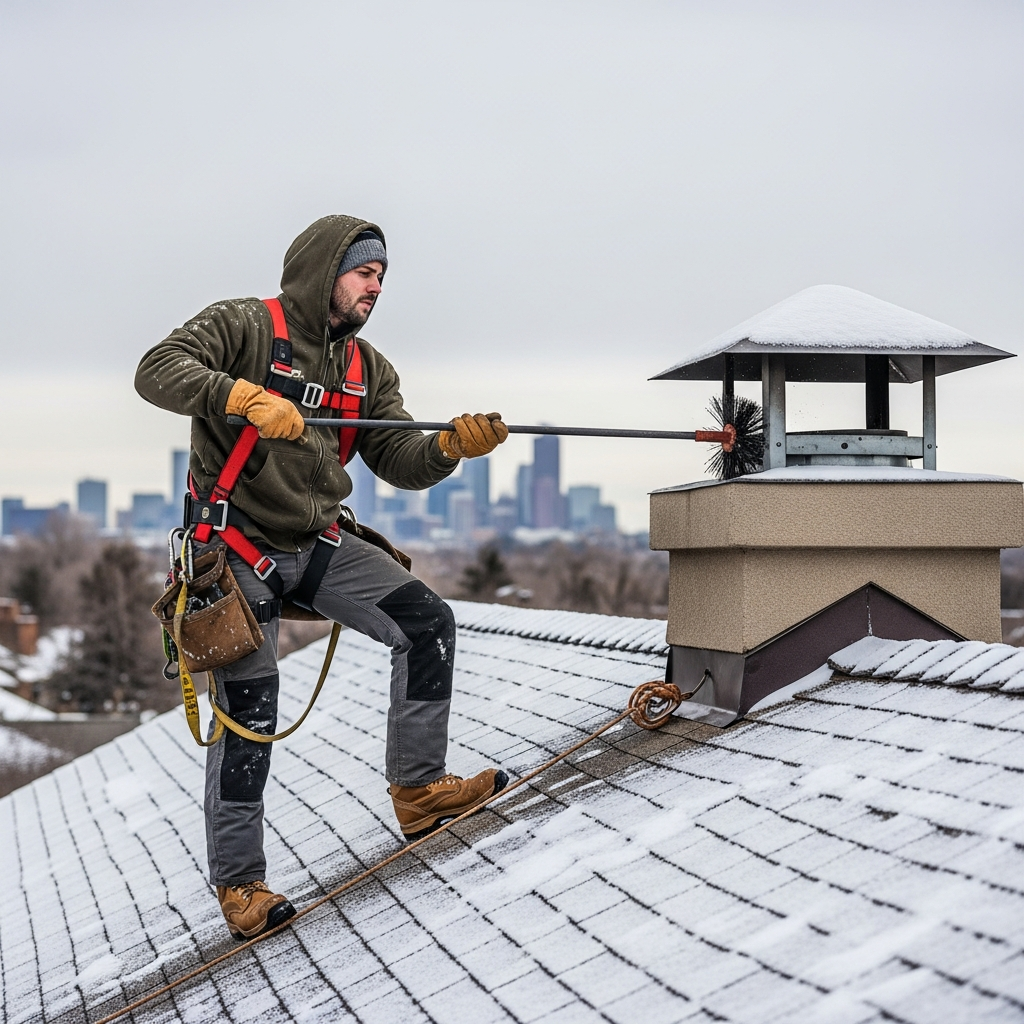
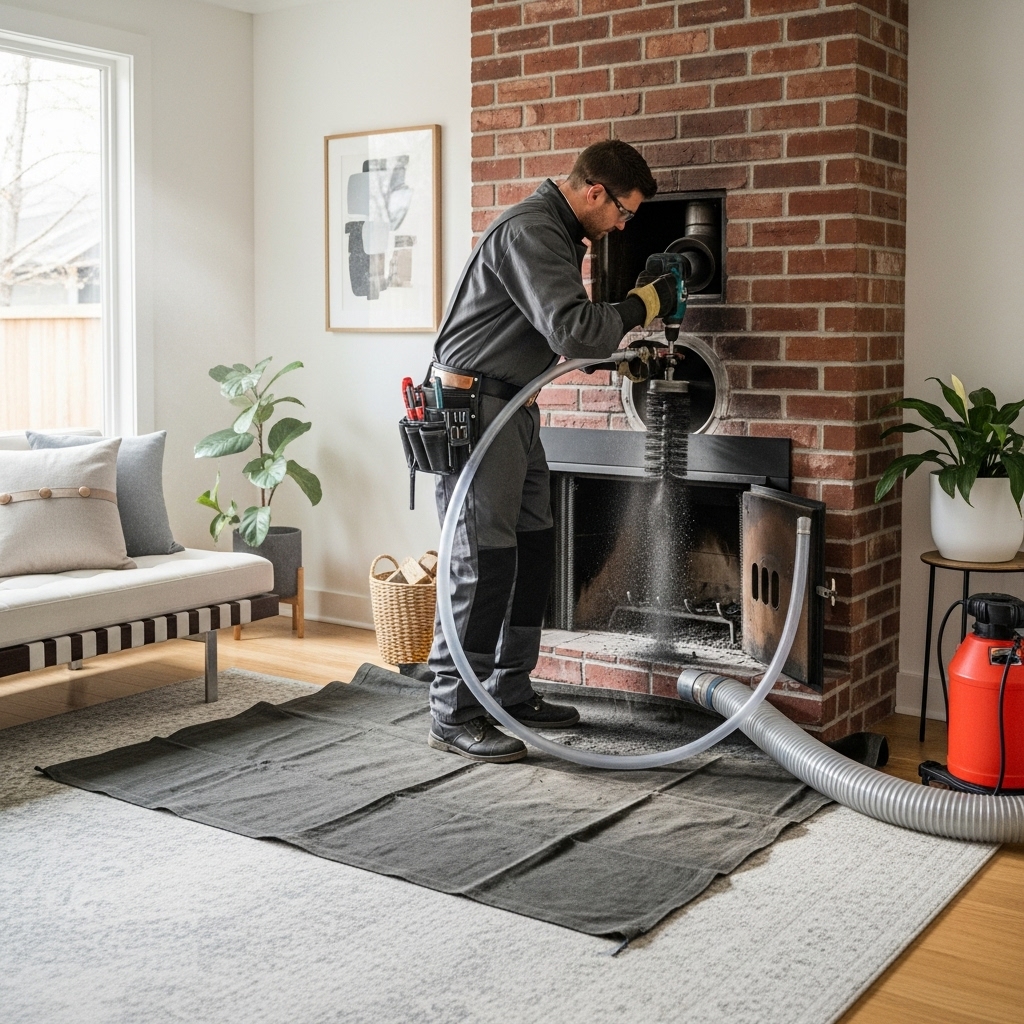
Cleaning is more than pushing a brush through a pipe. A complete visit starts with protecting your space. Hearth and flooring get covered, registers are sealed where needed, and we bring negative-air containment to capture fine particulates. We then evaluate from top and bottom, because what the cap shows can differ from what the throat or connector reveals. If the access is safer from the roof, we’ll start there and work toward the appliance. If winter snow makes the roof tricky, we work from inside with containment set. The point is to adapt to the site while maintaining control over soot and dust.
Once set up, we remove the cap if necessary and inspect the termination for visibility, corrosion, and animal activity. In Denver, starlings and raccoons love warm flue cavities. Even a fine mesh screen can collect lint-like soot that narrows the opening, especially on windy ridges where ash dances and hooks to metal. A few minutes spent here sets up the rest of the visit. Inside, we access the smoke chamber and flue or, for stoves, the connector pipe and baffle area. Tools range from hand rods with gentle bristles to rotary systems that allow precise contact with stainless steel without roughing its surface. Choosing the right tool keeps the flue’s interior in good shape for many winters.
With material loosened and captured, we move into inspection mode. Lights and cameras help assess liners, tiles, mortar joints, and transitions. For prefabricated fireplaces and factory-built chimneys, we confirm the integrity of seams, joints, and required clearances to nearby framing. In masonry fireboxes, we check the condition of firebrick and refractory panels. In wood stoves, we confirm that baffles, air tubes, and door gaskets are sound. You end up with a clear picture of what was removed and what remains to watch for over time.
Denver’s Altitude, Weather, and the Way They Shape Chimney Care
Altitude affects draft and the density of combustion gases. On a bitter January night, the temperature difference between your flue and the outside air can be dramatic, which strengthens draft but can also encourage more aggressive condensation at the top if burns are damped too quickly. In contrast, bluebird days bring wide temperature swings that cause metal chimneys to expand and contract. Over years, those cycles can loosen fasteners or change how a cap sits on its crown. This is why a cleaning visit always includes a look at the mechanical connections that hold your system together, not just the surfaces that get dirty.
Wind is another Denver constant. Depending on how your house sits relative to nearby structures and the prevailing westerlies, you may experience downdrafts or swirls that disrupt a steady draw. During cleaning and inspection, we note these patterns and recommend cap designs that tame turbulence. Sometimes a taller termination helps; other times, a baffled cap smooths the flow without changing the silhouette.
Fireplace Types and How They Influence Cleaning
Masonry fireplaces are classic along tree-lined streets and in older brick homes. They rely on a clay tile flue or, in some cases, a relined stainless path. Over time, tiles can crack or mortar can recede, and while cleaning removes byproducts, inspection identifies those structural concerns. Factory-built fireplaces, common in newer neighborhoods, perform beautifully when kept within their tested parameters. Cleaning for these systems focuses on gentle methods that respect listed components and on ensuring the termination remains well screened and watertight.
Wood stoves and inserts often ask for a deeper dive during cleaning. Baffles are removed, air passages confirmed, and the connector pipe is cleared with care. On catalytic units, we inspect the combustor housing and look for signs that the honeycomb is plugging or aging. On non-catalytic units, we verify that air tubes are secure and that the stove is sealing as it should. These steps are routine and mean you get back to steady heat with a system that breathes the way it was designed to.
How Household Habits Change What We Find
Cleaning reflects the story of how you burn. Homes that light occasional ambiance fires will look different than those where the fireplace is part of the heating plan. In neighborhoods with easy access to beetle-kill pine, we sometimes see more frequent reloads and, if technique slips, slightly cooler burns that generate more fine soot. In households that use hardwoods and keep a steady bed of coals, we tend to see even, powdery residue that cleans up quickly. Neither is inherently better; both can be clean if managed well. The point of the visit is to understand your pattern and offer tips that reduce accumulation between appointments.
Ventilation habits also matter. Newer, tightly sealed homes can create negative pressure that tugs against a chimney’s natural draft. If you run a range hood or bath fan while trying to light, the flue may hesitate to move smoke upward. Part of cleaning is noticing these interactions and offering practical fixes—simple adjustments that make every fire easier and cleaner.
Planning and Communication Make All the Difference
From the first phone call, good service should feel calm and unhurried. We’ll ask about your appliance, your roof, and any recent changes to the home—new windows, a remodel, or a different cap. During the visit, we talk through what we see and why it matters. Photos clarify findings, and a written summary gives you a record you can refer to in a year. This steady, transparent approach is how you avoid surprises when winter truly settles over the city.
If a homeowner wants to sync chimney care with other tasks—gutter work, roof evaluation, or window cleaning—we coordinate so ladders go up once and everyone stays safe. In smaller lots and tight alleys, we plan parking and access thoughtfully. It’s all the little things that keep a visit smooth and respectful of your time.
Midseason Adjustments and the Value of Knowing Your System
Sometimes a system that was spotless in October needs attention in January. Perhaps you started burning every night instead of every weekend, or you used more softwood than expected. The stove’s signals are subtle but consistent: stubborn starts, glass that darkens faster, or a smell that lingers in the afternoons. In fireplaces, you may notice a bit more smoke curling back into the room when you open the doors. A quick call can reset the season. When you have a relationship with a Denver team that knows your home, midseason support becomes simple.
For many homeowners, the biggest insight that comes from a thorough cleaning is confidence. Knowing the flue is clear, the cap is secure, and the appliance is breathing correctly transforms how you use your fire. You relax. You light more easily. You host without worrying that a downdraft will embarrass you mid-dinner. That’s the real value of professional care: making the small joys of winter reliable.
How Cleaning Interacts With Long-Term Upgrades
A thoughtful cleaning visit sometimes sparks a conversation about upgrades that smooth daily life. A better cap that resists our gusts. An insulated liner for an exterior masonry chimney that struggles on cold mornings. A simple outside air kit for a stove in a tight house. None of these are obligations; they’re options, offered so you can choose the improvements that match how you live. When you pace those changes over seasons, you build a system that feels effortless year after year.
Reading Soot Like a Story
Technicians get used to reading soot the way a mechanic reads a spark plug. Fluffy, gray deposits suggest strong, hot burns. Sticky, dark sheen points to cooler, slower fires, often with wood that’s holding more moisture than ideal. Layered flakes near a bend can hint at turbulence or a spot that cools faster. This isn’t judgment; it’s information that guides gentle recommendations for the next stretch of winter. It’s also why a cleaning visit that includes inspection saves time later. You catch patterns early and adjust before they become frustrations.
Working Safely on Denver Roofs
Roofs along the Front Range ask for respect. A sunny morning can turn slick by afternoon. Access on a century-old Victorian differs from a 1990s tri-level with composite shingles. Every cleaning plan includes time for safe access, set-up, and tear-down. We watch the forecast, carry the right ladders, and protect gutters and landscaping. Homeowners appreciate this care, not just because it keeps their property intact but because it signals that everything about the visit has been considered.
Communication After the Work
Once the flue is clean and the room is tidy, we walk through findings in plain language. If everything looks excellent, you’ll hear that. If we saw early signs of wear on a cap screen or minor cracking in a refractory panel, we’ll show you photos and offer a plan. The aim is never to overwhelm; it’s to provide a clear snapshot of your system so you can decide what, if anything, you want to schedule before the next deep cold.
FAQ: Chimney Cleaning in Denver
How often should a chimney be professionally cleaned in the Denver area?
It depends on use and appliance type. Many households do well with an annual visit; daily burners or wood stove users may prefer a check midseason as well. The real guide is how the system is performing day to day.
What signs suggest my chimney needs attention now?
Slow starts, smokier fires than usual, a damper that feels sticky, or visible soot falling when you open internal doors are common cues. If you smell smoky odors indoors on warm afternoons, that’s another signal.
Is cleaning different for wood stoves versus open fireplaces?
Yes. Stoves and inserts call for component removal, gasket checks, and attention to the connector pipe and baffle area. Open fireplaces focus more on the smoke chamber and flue as well as masonry or listed panels.
Can I reduce buildup between professional cleanings?
Burn seasoned wood, establish hot starts, and avoid extended smoldering. Keep make-up air in mind in tight homes, and use a cap that manages wind effectively. Simple habits make a noticeable difference.
What happens if wind is a constant issue at my house?
We evaluate chimney height, nearby obstructions, and cap design. Sometimes a taller termination helps; other times, a directional cap smooths turbulence. A cleaning visit is the perfect time to assess these options.
Will cleaning be messy?
With proper containment and the right tools, cleaning should be tidy. Floors and furnishings are protected, and soot is captured at the source. When the crew packs up, your room should look just as it did before the visit.
Denver winters are too beautiful to spend them coaxing a reluctant fire. If you’re feeling unsure about how your system is performing, or if it’s simply been a while, make time for a conversation. A seasoned local team will listen, explain, and leave you with a fireplace or stove that feels reassuringly simple to use. When you’re ready to plan, reach out to a trusted chimney sweep who understands our neighborhoods, our roofs, and the kind of warmth you want in your home.