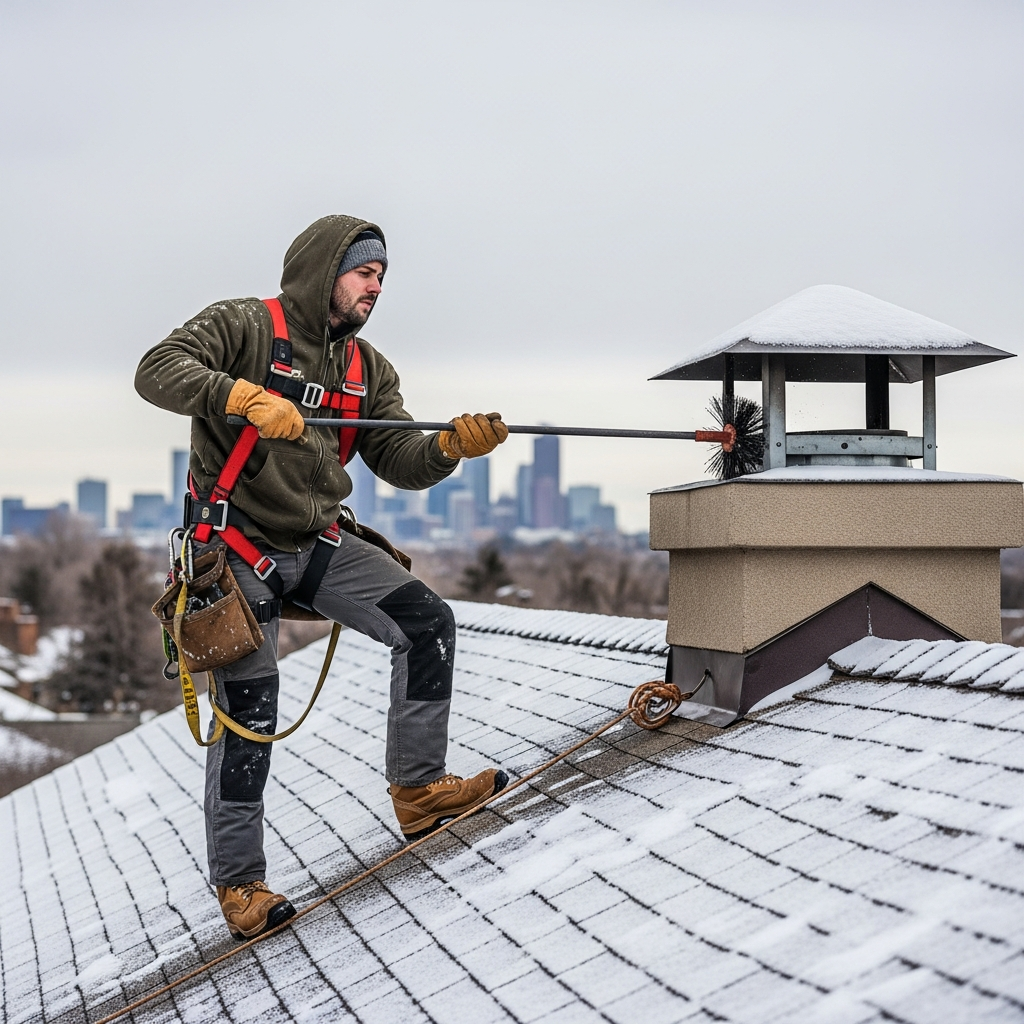

Every home in Denver tells a different story with its chimney. In a Capitol Hill Victorian, the flue may have carried coal smoke a century ago before being adapted for modern use. In a Sloan’s Lake townhome, a contemporary gas insert works inside a shared masonry shaft. Up in the foothills, a timber-frame cabin might rely on a wood stove that runs every night all winter. When people ask how to plan for professional evaluation across such varied settings, they often want to understand how home type influences scope and timing. While each inspection follows core standards and a disciplined process, the details shift with architecture, appliance, and neighborhood. As a local professional, I’ve learned that the clearest path starts with an honest conversation. A seasoned Denver-area chimney sweep can translate the particularities of your home into a plan that feels straightforward.
Inspection is the quiet engine of fireplace and stove safety. Before cleaning or repairs, before winter parties and snow days, an inspection establishes where things stand. It answers simple questions—Is the flue continuous? Are clearances correct? Does the cap manage our winds?—and it records the answers with photos so you can make decisions confidently. While the word suggests clipboards and checklists, the work is far more tactile. It’s hands on brick and liner, eyes on joints and seams, and the patient use of cameras in places most homeowners will never see.
Single-Family Homes: Bungalows, Ranches, and Two-Story Classics
In Denver’s single-family homes, inspections often start with a walk around the property. Roof pitch, chimney height, and tree cover shape the approach. Inside, we examine the firebox, smoke chamber, and damper on masonry fireplaces, or the appliance and connector on stoves and inserts. Many older houses have masonry chimneys with clay tile liners that have served faithfully for decades. We look for tile fractures, mortar erosion at joints, and any signs of moisture that may have crept in through a crown or flashing. Where a stainless liner was installed to adapt for a different appliance, we confirm proper sizing, insulation, and termination.
In newer single-family construction, factory-built fireplaces and metal chimneys are common. These systems are excellent when maintained within their listed specifications. Inspections for these units focus on the integrity of metal components, ensuring that seams remain tight, support brackets are sound, and required clearances to framing remain intact. We pay attention to the termination cap, which in our windy corridor can suffer from loosened fasteners over time.
Townhomes and Rowhouses: Shared Walls and Shared Considerations
Townhomes in neighborhoods like LoHi and Highlands Ranch introduce shared elements that shape the inspection plan. Even when each unit has its own flue, they often penetrate a common roofline, which changes access and sometimes the way wind behaves at the termination. We coordinate access with management or neighbors and take additional care to document conditions at the roof so everyone involved understands what was found.
Inside, the inspection for a townhome fireplace or stove mirrors that of a single-family home, but we stay alert for signs that building pressure dynamics could be affecting draft. Shared garages, tight envelopes, and sealed stairwells can all influence how a flue breathes. If a unit has been remodeled—new windows, added kitchen exhaust—we confirm that the appliance still operates within comfortable parameters. The point is to keep each household’s fires clean and simple without impacting neighbors.
Condominiums: Complex Stacks and Building Coordination
Condominium buildings in Denver present unique inspection contexts. Fireplaces may vent into individual metal flues, into shared chases with multiple terminations, or into older masonry shafts adapted over time. Access is carefully planned with building management, and documentation becomes especially important. We use cameras to verify continuity within concealed chases, confirm that terminations remain properly screened, and ensure that any required firestops and clearances are intact.
Inside a condo unit, a factory-built fireplace is common. Inspection focuses on the condition of listed panels, the damper assembly, and the integrity of joints that connect the firebox to the chimney. Because these systems are designed to function as tested packages, we follow the manufacturer’s guidelines closely. That disciplined approach keeps residents safe and simplifies communication with the HOA or management when findings are recorded.
Historic Homes: Charm, Craft, and Gentle Methods
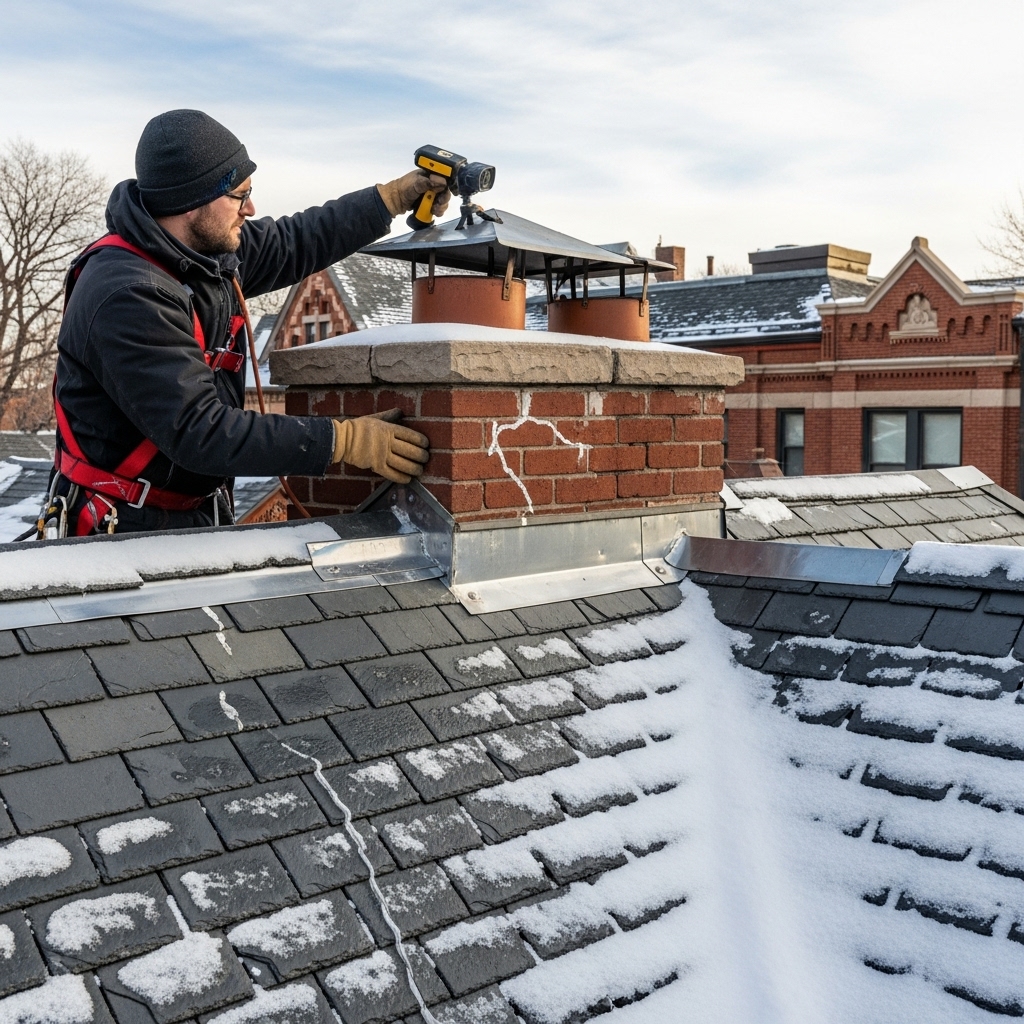
Denver’s historic districts bring distinct challenges and joys. Chimneys may have seen multiple eras of use—coal, then wood, then gas, then back to an insert. Brickwork can be soft, mortar may have been repointed with materials that don’t perfectly match the original, and flues may not align neatly with modern expectations. Inspections in these homes are patient and thorough. We evaluate crowns and flashing, look for mortar wash failures on older stacks, and use cameras to map interior changes made over the decades.
When an older masonry chimney now serves a modern appliance through a stainless liner, we confirm that the liner is sized for the appliance, properly insulated, and supported. We also protect the historic fabric. That means gentle access methods, avoiding unnecessary openings, and working with owners to plan any improvements in a way that respects the home’s original character. A clear, well-illustrated report helps preservation-minded owners make informed choices.
Mountain Cabins and Foothill Homes: Wind, Snow, and Daily Use
Cabins and homes along the Front Range foothills often rely on wood stoves for daily heat in winter. That usage pattern requires inspection that blends evaluation with practical advice. We look closely at stove baffles, door gaskets, and the first lengths of connector pipe, where much of the season’s residue collects. At the roof, gusts and drifting snow change how caps perform. We confirm that screens remain clear and that the termination height meets the practical demands of the site, especially where nearby trees or ridge lines cause turbulence.
These homes also test flashing and crowns with freeze-thaw cycles. Inspections note hairline cracks or gaps early so they can be addressed in fair weather rather than during a February storm. Documentation is invaluable here, because a photo record year over year shows how the structure is aging in a demanding climate.
Gas Fireplaces and Inserts: Clean Flames, Important Details
Many Denver homes use gas appliances for convenience, and it’s easy to assume they are maintenance-free. Inspections prove otherwise. We verify that the venting remains continuous, properly supported, and free of corrosion. We check that the firebox media is placed to manufacturer specifications and that the glass seal is intact. In direct-vent systems, fresh air intake and exhaust must both be clear to maintain balanced combustion. Even clean flames deserve careful eyes, because safe operation depends on many small details working together.
In older conversions where a gas log set sits in a masonry fireplace, the inspection also considers the original chimney. We confirm that the flue is appropriately sized for the appliance and that the damper is secured or adapted as required. A camera view can reveal whether prior use left residues that might cause odors when warmed by gas operation. Again, the goal is clarity so owners can use their hearths with confidence.
What an Inspection Report Should Provide
A good report is both technical and readable. It should include photos of key areas: the cap, crown, flashing, firebox, smoke chamber, and representative views of the flue interior. It should explain findings in plain language and note any items that merit monitoring over time. If a repair or upgrade is recommended, the rationale should be tied to safety, performance, or longevity, not jargon. For multi-unit buildings, the report becomes part of the building’s maintenance history and helps future managers understand what was done and why.
Communication matters just as much as the pages themselves. We walk through the report after the inspection so questions are answered while the images are fresh in mind. Homeowners who understand their chimney systems make better decisions about timing and scope, and they feel more at ease when winter arrives.
Scheduling: The Best Times for Different Home Types
Single-family homes are easiest to schedule ahead of the fall rush. Late summer and early autumn provide predictable weather and safer roof access. Townhomes and condos benefit from even earlier planning so management can coordinate access and notifications. Historic homes may need longer appointment windows so that careful methods aren’t rushed. Foothill homes should consider spring or early fall visits when winds are calmer and snowpack has receded from steep roofs.
No matter the home, flexibility helps. We watch forecasts closely and adjust so that crews can access roofs safely. If weather keeps us inside, interior evaluations and camera work can proceed, with exterior checks completed when conditions improve. The priority is safety and thoroughness, not speed.
Working With a Local Partner
Denver homes share a climate but not a template. That’s why local knowledge is invaluable. A seasoned team knows which neighborhoods funnel wind, which blocks carry more soot from nearby construction, and which rooflines demand special ladders. They remember that your bungalow has a stiff gate in the alley and that your condo’s parking garage has a tight clearance at the ramp. This memory is not trivia; it’s service. It means every inspection builds on the last, and every recommendation fits the way you actually live.
If you’re just beginning to map out your hearth plan for the year, an introductory conversation goes a long way. Share how you use your fireplace or stove, what you’ve noticed, and what you hope to change. A trusted chimney sweep will listen first, then outline a practical approach tailored to your home type.
FAQ: Inspections by Home Type in Denver
How does home type change the scope of an inspection?
Single-family homes focus on individual chimneys and roof access. Townhomes add coordination at a shared roofline. Condos require careful documentation within shared chases. Historic homes emphasize gentle methods and preservation, while foothill homes consider wind, snow, and daily wood stove use.
Do gas fireplaces need inspection as often as wood-burning systems?
Yes. Gas burns cleanly but depends on sealed components, balanced venting, and clear air paths. Annual evaluations help ensure safe, efficient operation and catch small issues before they affect use.
What signs suggest I should schedule sooner rather than later?
Persistent odors, difficulty lighting, visible staining on the exterior stack, or unusual sounds at the cap on windy days are all good prompts to call. New appliances or recent remodels that changed the home’s tightness also warrant a look.
Is camera inspection always necessary?
Not always, but it’s often helpful, especially when interior flue surfaces are concealed or when symptoms suggest hidden changes. Camera views provide a record that families and building managers appreciate.
How long does an inspection usually take?
It varies with home type and findings. A straightforward single-family fireplace inspection is relatively quick, while multi-unit buildings or historic homes may take longer to document thoroughly. The aim is always clarity and safety over speed.
What if my building requires prior notice for roof access?
We manage coordination, provide documentation, and schedule with management so that access is orderly and transparent. Clear communication prevents surprises and keeps neighbors informed.
Denver’s homes are as varied as the people who live in them. A careful inspection honors that diversity by adapting to each setting while holding a steady standard of safety and clarity. When you’re ready to plan your next evaluation—whether you live in a classic brick bungalow, a sleek condo, or a mountain cabin—reach out to a local chimney sweep who understands the nuances of our city and the rhythms of our winters.