Fireplaces add comfort and character to Denver homes, but behind the glow is a hard-working system that must stay structurally sound to remain safe. Over time, components wear out, weather takes a toll, and normal use produces residues that can mask deeper problems. This guide explains the most common chimney repairs, how to recognize early warning signs, and how professional services address issues in a climate marked by intense sun, sudden snow, and freeze–thaw cycles. If you would rather have an expert assess and resolve concerns from the start, consider scheduling a trusted chimney sweep who can inspect, diagnose, and recommend appropriate repairs.
Chimney repair is about protecting your home from heat, smoke, moisture, and animals while preserving efficient draft. Whether you have a masonry chimney with a clay tile liner or a prefabricated metal system, each component contributes to safety. Understanding typical problems helps you make informed decisions and prioritize repairs before small issues grow into major headaches.
Denver Climate and Chimney Wear
Denver experiences large day-to-night temperature swings. Moisture that seeps into tiny cracks can freeze and expand, widening gaps in crowns and mortar joints. Strong winds can loosen caps and flashing, while intense sun degrades sealants. Soot and creosote can trap moisture against surfaces, accelerating corrosion. Regular inspections spot these patterns early so repairs can be targeted and cost-effective.
Common Chimney Repairs and What They Address
Crown Repair and Rebuild
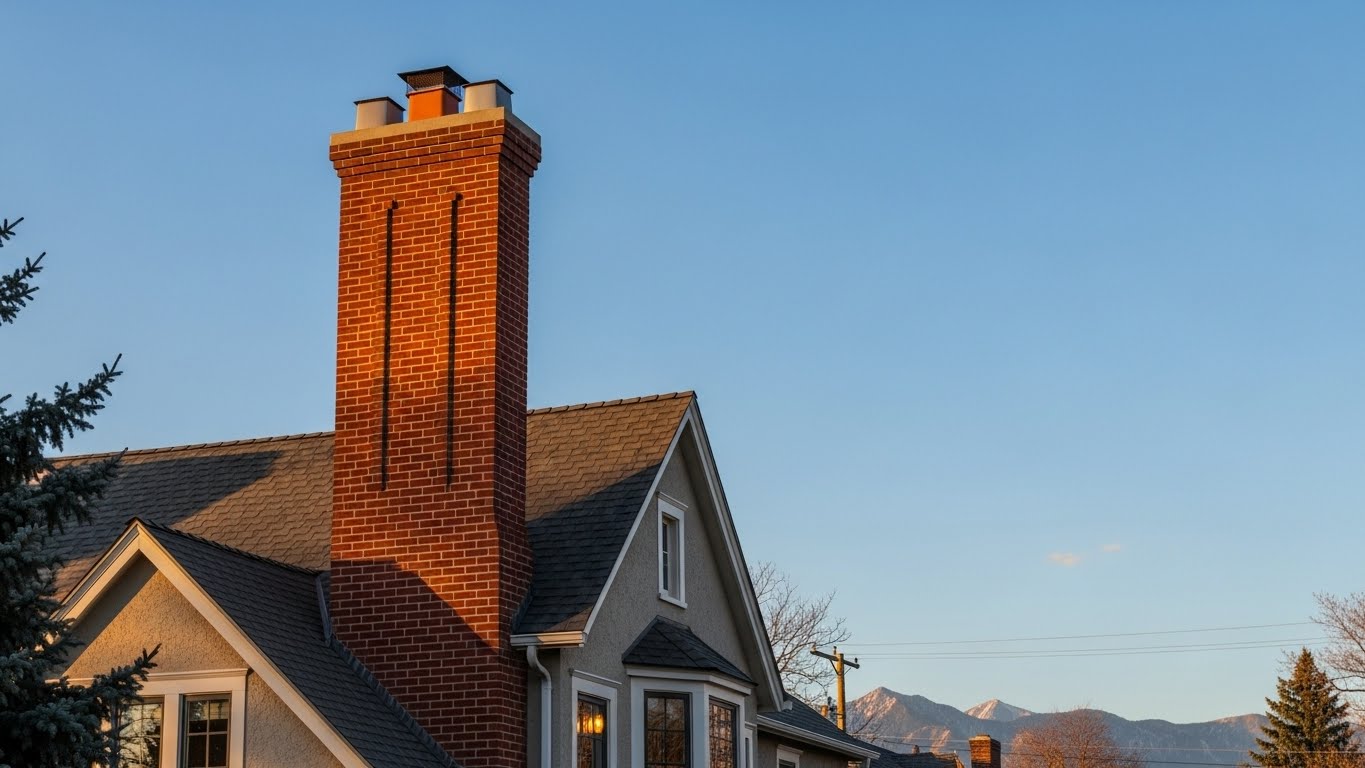
The crown—the sloped top surface of a masonry chimney—sheds water away from the flue. If it cracks, water penetrates, leading to spalling bricks and interior staining. Crown repairs range from sealing hairline fissures with suitable materials to partial or full rebuilds that restore proper slope and overhang. A well-constructed crown is vital in Denver, where meltwater can refreeze overnight.
Chimney Cap Replacement
A cap keeps out rain, snow, animals, and wind-driven debris while providing spark arrestor protection. Damaged screens restrict airflow; missing caps invite nesting and moisture intrusion. Replacement involves sizing the correct cap, securing it to the flue, and verifying that clearances maintain proper draft. After heavy winds or hail, cap inspections are especially important.
Flashing Repair
Flashing seals the joint between the roof and the chimney. When it lifts, rusts, or separates, water follows gravity into ceilings or walls. Repairs may include resealing, tightening mechanical fasteners, or replacing flashing with properly interwoven counter-flashing. Because Denver storms can be sudden and intense, flashing integrity is a top priority in leak prevention.
Flue Liner Repair or Relining
The flue liner is the inner pathway carrying smoke and gases. Cracked clay tiles, missing mortar joints, or corroded metal liners compromise safety. Relining options include stainless steel systems tailored to appliance type or specialized materials for masonry. A smooth, intact liner improves draft, reduces creosote adhesion, and contains heat and byproducts within the flue.
Smoke Chamber Parging
Above the damper, the smoke chamber funnels gases into the flue. Rough surfaces in this area can cause turbulence, soot accumulation, and heat hotspots. Parging smooths these surfaces with a high-temperature material, improving draft and reducing residue. In older fireplaces, smoke chamber irregularities are common and often overlooked until draft problems appear.
Firebox and Refractory Panel Repairs
The firebox endures direct heat. Mortar joints can fail, bricks can crack, and refractory panels can develop fissures. Repairs restore proper clearances and heat resistance, protecting adjacent combustibles. If panels are cracked through or bricks show significant spalling, prompt attention is required.
Damper Replacement and Top-Seal Dampers
Worn or rusted dampers fail to seal properly, letting conditioned air escape and allowing downdrafts. Replacement options include top-seal dampers at the cap, which can improve energy efficiency and reduce odors when the fireplace is not in use. Proper adjustment ensures full opening for fires and a tight seal when closed.
Animal and Obstruction Removal
Nests, leaves, and fallen branches restrict airflow and can become ignition sources. Professional removal includes ensuring any wildlife has vacated, clearing all debris, and installing or repairing a suitable cap. After removal, a draft check confirms restored airflow.
Odor and Smoke Intrusion Solutions
Musty or creosote odors often arise from moisture interacting with deposits or from negative pressure pulling air down the flue. Repairs target the root cause: sealing moisture entry points, improving top-seal dampers, and addressing heavy deposits in hidden areas like the smoke chamber. Home ventilation adjustments may also be recommended.
How Professionals Diagnose Chimney Problems
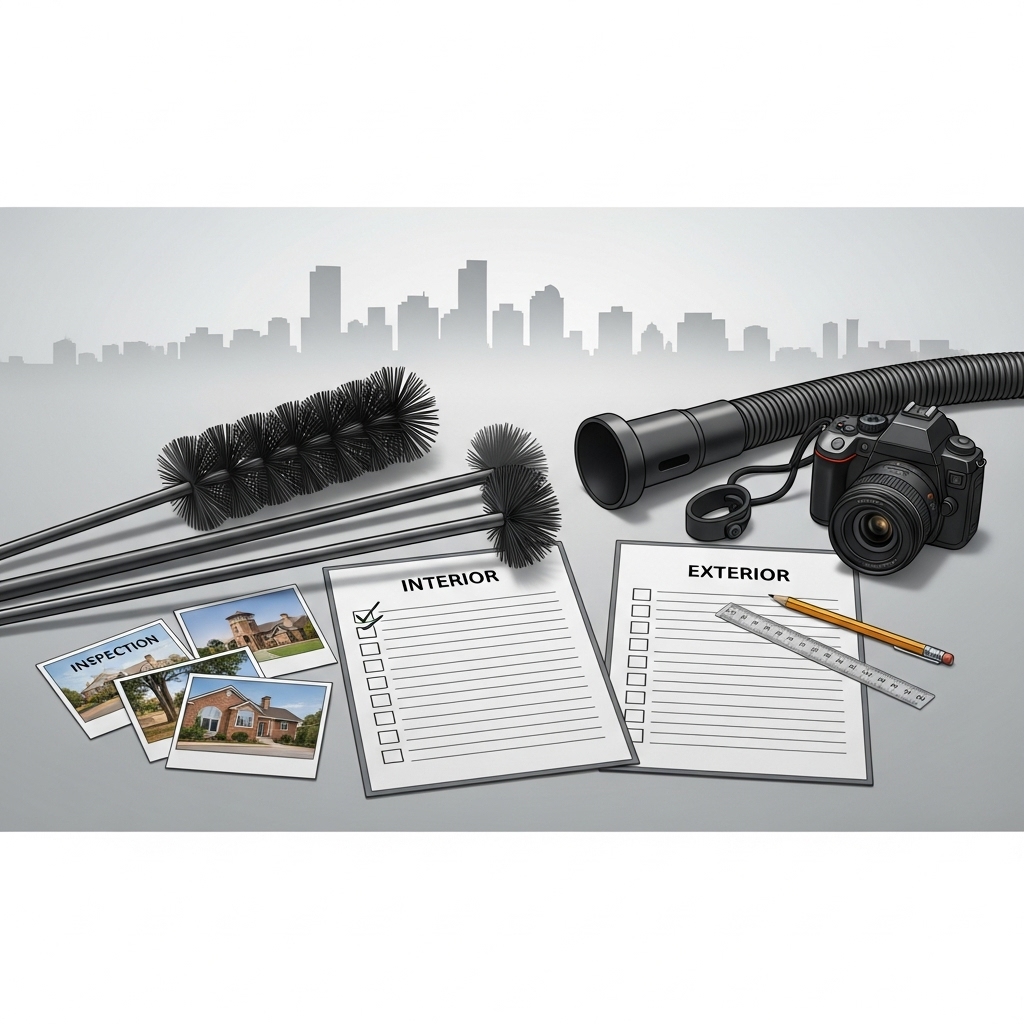
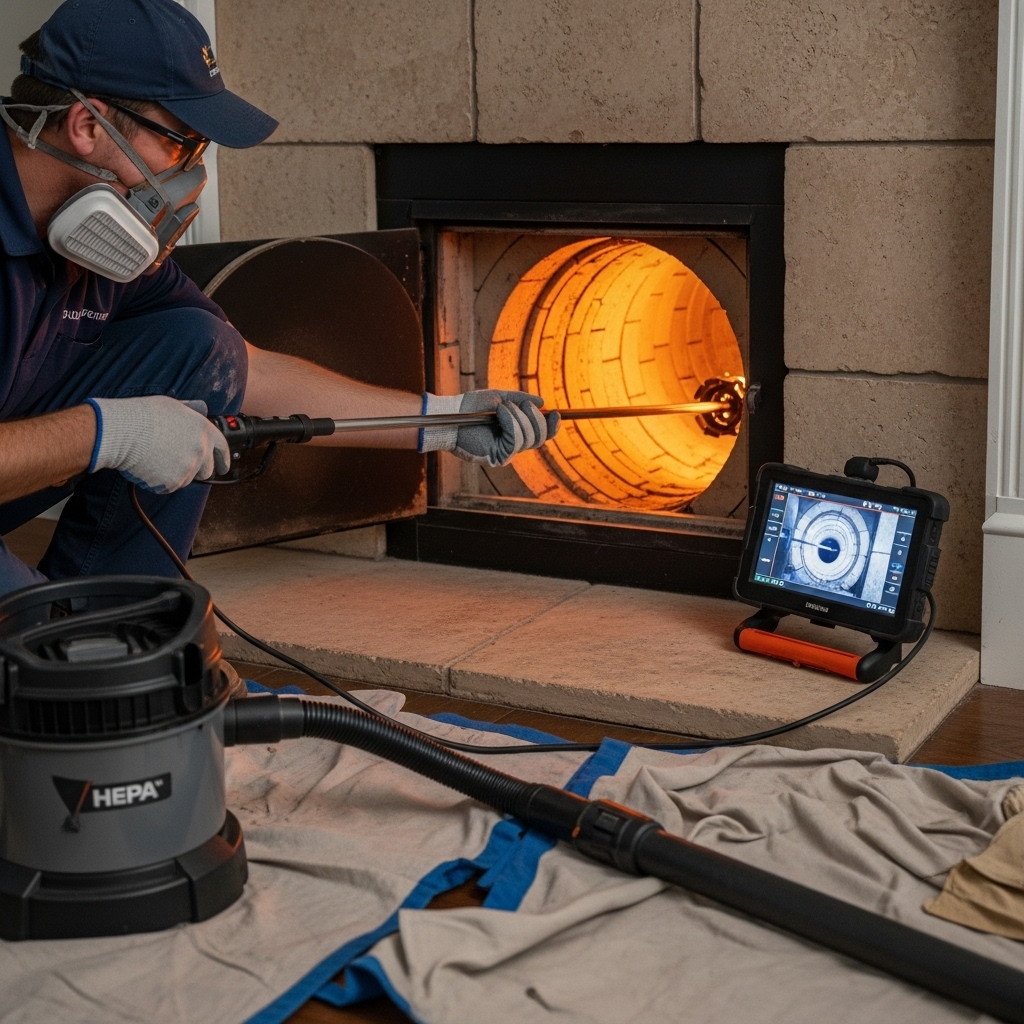
A thorough evaluation begins with a visual survey of the exterior, followed by internal inspection using lights, mirrors, or cameras. Technicians look for staining, rust trails, loose mortar, cracked tiles, warped metal, and glazed creosote. They assess draft behavior, test damper operation, and confirm the cap and crown are intact. This systematic approach reveals both obvious and subtle issues.
Repair Priorities: Safety First
Safety-related defects take precedence: cracked liners, missing mortar joints, heavy glazed creosote, and structural failures near combustibles. Next come water management issues—crown, cap, flashing—to prevent leaks that lead to deeper damage. Finally, performance enhancements such as smoke chamber parging or damper upgrades fine-tune draft and user comfort.
Denver-Specific Considerations
Altitude affects draft, so repairs that smooth airflow and reduce turbulence can have outsized benefits. Wind exposure varies by neighborhood; homes on ridgelines or open areas may need more robust caps or wind-resistant solutions. Sun exposure affects sealant longevity; choosing materials rated for UV helps repairs last.
When to Repair vs. Replace Components
Hairline crown cracks can be sealed effectively if caught early, while widespread cracking may call for reconstruction. One or two damaged clay tiles may be addressed with targeted solutions, but systemic liner failure often leads to full relining. A technician’s report with photos helps you weigh the pros and cons.
What to Expect During a Repair Visit
- Initial walkthrough to review concerns and access points.
- Protection of interior spaces with drop cloths and containment.
- Documented inspection to confirm the scope of work.
- Execution of repairs with appropriate materials and tools.
- Final verification of draft and component operation.
- Written summary with maintenance recommendations.
Preventive Maintenance That Reduces Future Repairs
- Annual inspection to catch early signs of wear.
- Cleaning to remove residues that hold moisture and corrode surfaces.
- Cap and screen checks after windstorms.
- Seasoned firewood use and small, hot fires to limit creosote.
- Prompt attention to odors, stains, or smoke spillage.
DIY vs. Professional Repair
Homeowners can handle simple tasks like replacing a cap screen or reseating a loose damper handle, provided safety is prioritized. Structural repairs, relining, smoke chamber work, or anything involving roof heights is best left to trained professionals. Expert techniques, proper materials, and diagnostic tools ensure repairs are both durable and safe.
Communication Matters
Ask for a clear proposal describing the problem, the repair method, materials, and expected outcomes. Request photos before and after. A reliable provider explains how the fix addresses root causes and offers guidance on ongoing maintenance. If the issue returns, documentation helps target next steps efficiently.
Frequently Asked Questions
Q: How do I know if my chimney needs repair or just cleaning?
A: Cleaning removes soot and creosote, but repairs address damaged components. Signs of repair needs include cracked tiles, persistent water stains, rust at the damper, crumbling mortar, or a crown with visible fissures. A professional inspection distinguishes between residue and structural issues.
Q: What are the most urgent repairs?
A: Anything that compromises containment of heat and byproducts—cracked liners, missing mortar in the flue, severe creosote glaze, or a failing firebox—should be prioritized. Moisture entry points like failed crowns or flashing follow closely.
Q: Can wind cause draft problems even with a good cap?
A: Yes. Gusty conditions can create pressure differences that disrupt draft. A properly selected and installed cap mitigates this, and adjustments to home ventilation may be recommended.
Q: Do gas fireplaces need chimney repairs?
A: Venting systems for gas units require maintenance too. Corrosion, gasket wear, and improper log placement can cause sooting or odors. Annual inspection helps catch these issues early.
Q: How often should I schedule inspections in Denver?
A: Plan on a yearly inspection, and add mid-season checks if you burn frequently or after significant wind or snow events.
Restore Safety and Comfort in Your Denver Home
If you suspect damage, smell creosote, or notice smoke behavior changes, do not wait for the next cold front. A skilled technician can diagnose the issue and recommend targeted, durable fixes. Get your hearth back to safe, efficient operation by booking a professional chimney sweep who can evaluate and repair your system with care.