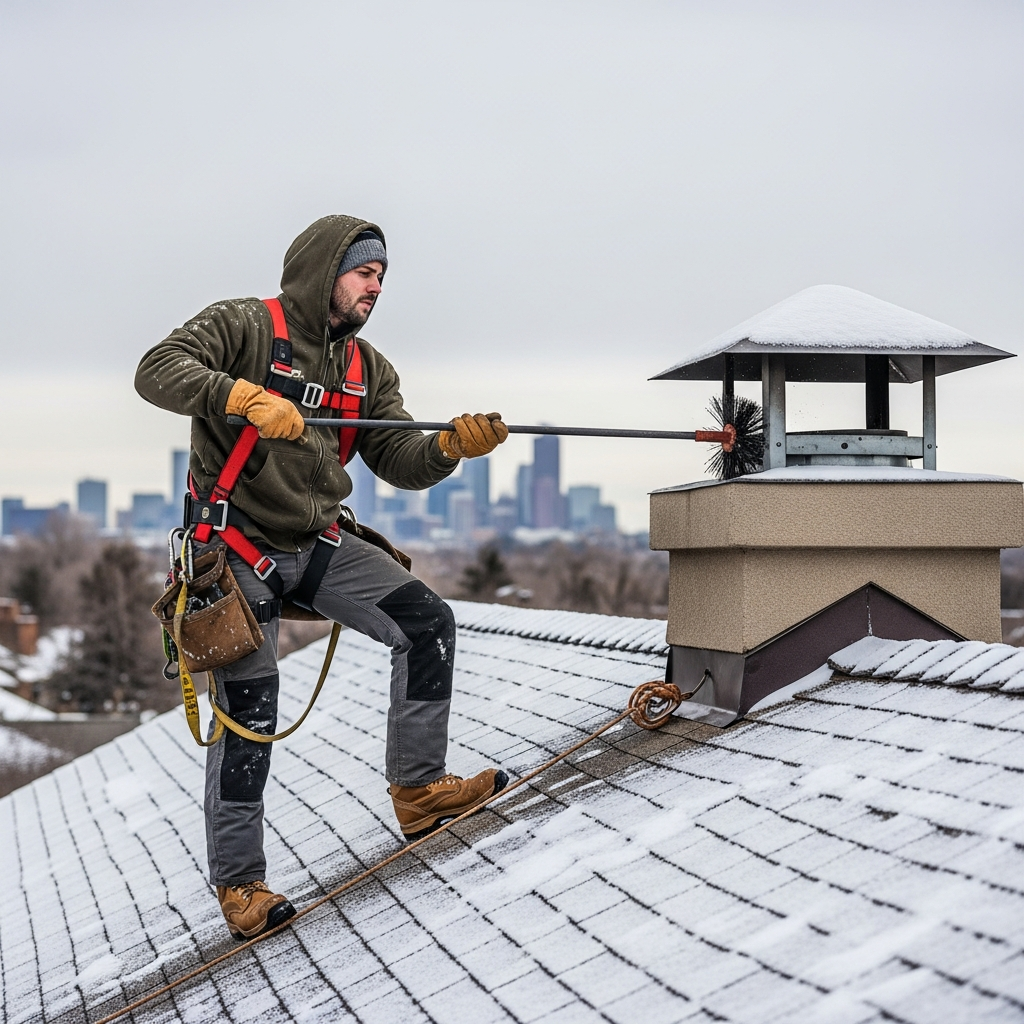

The first snow that sticks on the Front Range has a way of changing a home’s pace. Coats pile up by the door, boots line the mat, and someone inevitably asks if it’s a good night for a fire. In Denver, where sunny afternoons can collapse into brisk evenings, fireplaces and stoves become the heart of winter. Keeping them safe isn’t just about an annual appointment; it’s a partnership between homeowners and professionals who know how our climate and architecture play together. After years of tending flues from City Park to Green Mountain and up into the foothills, I’ve learned that the quiet, careful work of a professional visit is what makes those spontaneous fires delightful instead of stressful. If you’re aligning your home for the season, there’s no better resource than a trusted local chimney sweep who understands our roofs, our winds, and our habits.
Winter safety starts with airflow. Fire is a choreography of air in, smoke out, and heat retained. When the flue is clean and continuous, that choreography feels effortless. When something interrupts it—soot, creosote glaze, a blocked cap, or a stubborn damper—you sense it right away. The room smells a touch smoky after a burn. The glass clouds faster than it used to. A fire that once leapt to life grows shy. Professional care addresses these friction points systematically, turning a temperamental hearth back into an easy housemate.
Preparing the Hearth: Containment and Protection
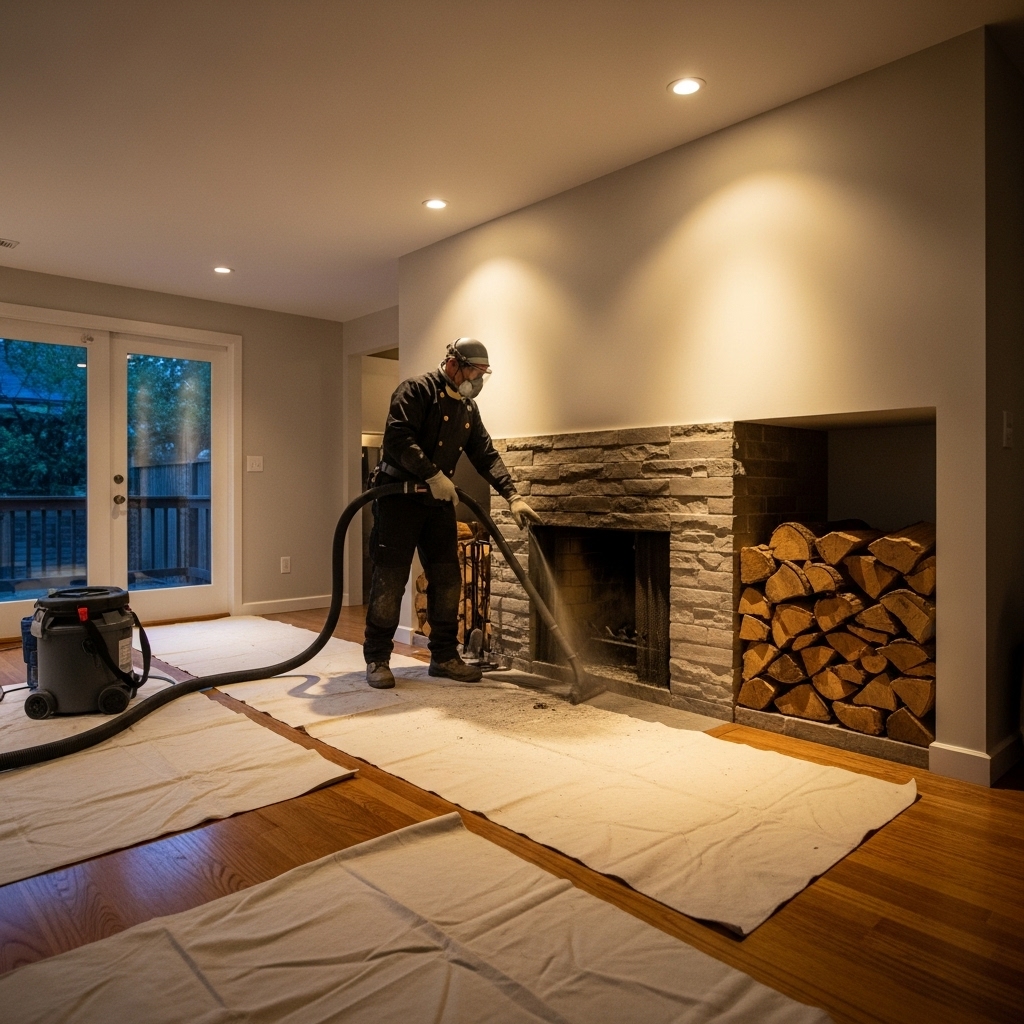
Every safe visit begins before a brush ever touches the flue. Floors and furnishings are covered, registers are sealed where necessary, and negative-air collection keeps fine particulates from wandering. Good containment is as much about respect as it is about cleanliness. In tight urban homes with pale rugs and in mountain cabins with raw timber floors, the goal is the same: leave the room exactly as we found it, except for a flue that breathes.
With the area protected, we assess access. If the roof is dry and the path is safe, we may start at the cap. If an afternoon squall is rolling in or ice hugs a north-facing slope, we begin inside and adapt. Flexibility is a safety practice, especially in a city where the forecast likes to surprise us.
Cleaning With Intention: What Gets Removed and Why It Matters
Cleaning is the visible part of the work, and it’s only one part. Loose, flaky creosote and soot are removed from the flue interior, the smoke chamber is shaped where possible to encourage smooth flow, and the firebox or stove interior is cleared of fine ash. For wood stoves, components are removed methodically—baffles, air tubes, sometimes the catalytic combustor housing—to access pockets where residue hides. Each pass of a brush or rotary tool is calibrated to the surface: gentler for stainless steel, more assertive for unlined masonry that tolerates it.
Removing fuel-rich deposits does two things. First, it restores the flue’s cross-sectional area so gases rise without friction. Second, it changes the chemistry of what remains in the system, especially near the top where cold air can coax condensation. A clean path resists accumulation and makes future maintenance easier. For homeowners, the practical effect is immediate: fires start smoothly, glass stays clearer, and you spend more time enjoying the heat than coaxing it.
Inspection: Seeing What Daylight Doesn’t
Inspection is where safety takes shape. Cameras and lights reveal what a flashlight at the throat cannot—joints in clay tiles, seams in liners, hairline cracks in refractory panels, and the simple truth of whether the flue is continuous. In factory-built systems, we verify that listed components remain in place and that clearances to framing are preserved. In masonry chimneys, we pay careful attention to crowns and flashing, which live exposed to snow, sun, and big temperature swings. These are the places where small failures start, and catching them in December is much better than discovering them in March.
Documentation turns these observations into a plan. Photos of tile fractures, notes about a cap whose screen is beginning to clog, or a record of a damper that sticks all help you decide what, if anything, to address now versus later. Safety isn’t a single event; it’s a habit of seeing and communicating clearly.
Managing Denver’s Wind and Weather at the Chimney Cap
Our wind behaves differently across the metro. In the foothills, gusts accelerate over ridges and press down onto terminations. In the city core, buildings carve eddies that swirl around caps and make smoke curl. Cap design and height matter more here than in calmer climates. Directional caps or baffles can smooth that turbulence. Screens must balance protection from birds with resistance to clogging. During a visit, we study the cap not just as hardware but as part of the local sky and roofline. A small change up there can change everything down here at the hearth.
Snow and ice test caps too. Wet storms pack screens, and later melt can refreeze into delicate stalactites that tug on fasteners. Ensuring that terminations are secure and properly pitched keeps water from wandering into places it shouldn’t. Because Denver often swings from snow to sunshine within hours, the cap endures constant expansion and contraction—another reason it earns attention.
The Human Element: How Daily Habits Influence Safety
The quiet secret of winter safety is that homeowners do half the work with daily habits. Burning seasoned wood, starting hot, and giving the flue a few minutes to warm set the stage for clean combustion. Avoiding extended smoldering prevents the kind of sticky glaze that requires assertive tools to remove. Paying attention to make-up air—cracking a nearby window in tight homes or easing off the range hood during start-up—helps the fire breathe.
Professionals don’t just clean; they coach. We translate the story the soot is telling into friendly adjustments you can make right away. The joy is seeing those tips turn into easy starts and content fires. It’s a collaboration that makes winter feel effortless.
Wood Stoves and Inserts: Extra Steps for Busy Workhorses
Wood stoves and inserts often carry the heating load in Denver’s foothill and older urban homes. Their care goes deeper during winter service. We remove baffles, check air tubes for straightness and secure seating, and evaluate door gasket compression. On catalytic models, the combustor is examined for plugging or warping, and channels are cleared so secondary combustion engages reliably. Connector pipes usually get particular attention because they collect a disproportionate share of residue, especially in systems that run low and slow during milder days.
When these components are tuned and clear, performance snaps back into line. You feel it in stable burn ranges, glass that stays cleaner, and heat that spreads evenly through the room. These outcomes are safety features as much as comfort features because smooth burns reduce the chance of byproduct accumulation.
Factory-Built Fireplaces: Respecting the System as a Whole
Many Denver homes feature factory-built fireplaces that perform wonderfully when their components remain intact and undisturbed. Winter service on these systems focuses on verifying the integrity of listed panels, the condition of connectors, and the health of the termination. We watch for loose fasteners—a common result of seasonal expansion and contraction—and confirm that required clearances haven’t been compromised by later remodeling. Treating these fireplaces as tested assemblies preserves their safety margin.
Masonry Fireplaces: Old Craft, Modern Expectations
Masonry fireplaces bring a kind of warmth that is as much psychological as physical. Their brick and stone hold stories. In winter, their safety rests on the health of the smoke chamber, the continuity of the flue, and the robustness of the crown and flashing. Soot removal here often includes gentle shaping of the smoke chamber to improve flow. Clay tiles are inspected for fractures, and joints are evaluated for receding mortar. Exterior stacks endure sun, snow, and freeze-thaw cycles; small cracks in crowns can invite water that becomes ice and magnifies the damage. Addressed early, these are minor repairs. Left through winter, they can be spring projects nobody planned for.
Communication: The Bridge Between Work and Peace of Mind
After a winter visit, homeowners should feel both informed and reassured. We review what was done, show images of the flue interior, and talk through any recommendations. If everything looks excellent, you get that good news in writing. If something needs attention, you receive clear, plain-language explanations about why it matters and what timing makes sense. This transparency is the safety net that lets you enjoy fires without second-guessing the system.
Midseason Course Corrections
Sometimes winter changes plans. A family burns more than expected, a cap clogs after a wet storm, or a remodel alters the home’s pressure balance. Midseason visits are part of responsible care. We respond quickly, adapt to weather, and restore normal operation. There’s no virtue in waiting for spring when your fireplace is telling you it wants help now.
Choosing the Right Partner in Denver
Trust is earned on ladders and drop cloths. A good partner arrives prepared for your roofline, respects your time, and leaves your home cleaner than it was found. They know the quirks of our neighborhoods—how wind curls at Cheesman Park, how foothill gusts tug at caps in Genesee, and how older brick in Baker likes gentle handling. They also know that every recommendation should match how you actually use your fireplace, not how a brochure imagines it.
If you’re new to the city or simply new to hearth ownership, start with a conversation. A quick call with a knowledgeable chimney sweep can help you prioritize what to do before the deepest cold arrives and how to keep things smooth through March.
FAQ: Winter Fireplace Safety in Denver
How often should I schedule professional attention during heavy-use winters?
Many households do well with a thorough visit before the season, and daily users often appreciate a check midseason. The decision hinges on how the system behaves: if starts grow stubborn, glass clouds quickly, or odors linger, it’s time.
What are the most common winter issues you see in Denver?
Clogged or partially blocked caps after wet storms, soot accumulation near bends in connector pipes for stoves, and small drafting hiccups in tightly sealed homes. Each has straightforward remedies once identified.
Are gas fireplaces truly low-maintenance?
They’re convenient and burn cleanly, but they still rely on sealed glass, intact gaskets, and clear venting. Annual checks keep those parts working together safely.
How do I know if wind is affecting my fireplace?
If you notice smoke curling back on gusty days, shifting flame behavior, or a rumbling at the termination, wind may be the culprit. A directional or baffled cap and, in some cases, a small change in height can help.
Can I do anything at home to support safety between visits?
Burn seasoned wood, give the flue a few minutes to warm, and be mindful of strong exhaust fans during start-up. Keep an eye on the cap from the ground after storms and call if something looks different.
What should I expect from a professional visit?
Clean containment, careful removal of residue, thorough inspection with photos, and a clear debrief. You should finish the appointment understanding what was done and how your system is performing.
Winter deserves fires that are easy to light, steady to tend, and comfortable to sit beside. If your fireplace or stove feels a little off—or if you simply want the reassurance that comes from a careful once-over—make the time now rather than later. Reach out to a Denver-area chimney sweep who treats your home like their own, and enjoy the season the way it’s meant to be enjoyed: warm, calm, and confident.